


Murtis (Sacred Statues) in Hinduism: Divine Manifestations of the Eternal
Hindu temples are not merely places of worship—they are living embodiments of the divine, where art, architecture, and spirituality converge. At the heart of this sacred space lies the murti, or sacred statue, which serves as a tangible representation of the divine presence. Murtis are much more than artistic creations; they are spiritual icons revered in devotional practices, deeply rooted in ancient scriptures such as the Upanishads, Bhagavad Gita, Vedas, and Agamas. These sacred statues provide a focus for meditation, ritual, and personal connection with the divine.
Read More About Hindu Philosophy
In this comprehensive guide, we explore the profound significance of murtis in Hinduism, discussing their historical evolution, the symbolism behind their design, and their role in ritualistic worship. We will also journey through two iconic temples where murtis are central to the worship experience, offering detailed insights into each temple’s historical background, architectural highlights, and visitor experiences. Additionally, we provide creative frameworks for AI-generated visuals that capture the spiritual essence of these divine manifestations.
Join us as we delve into the rich world of murtis, uncovering how these sacred statues serve as portals to the transcendent, linking the finite with the infinite.
Introduction: The Spiritual Essence of Murtis
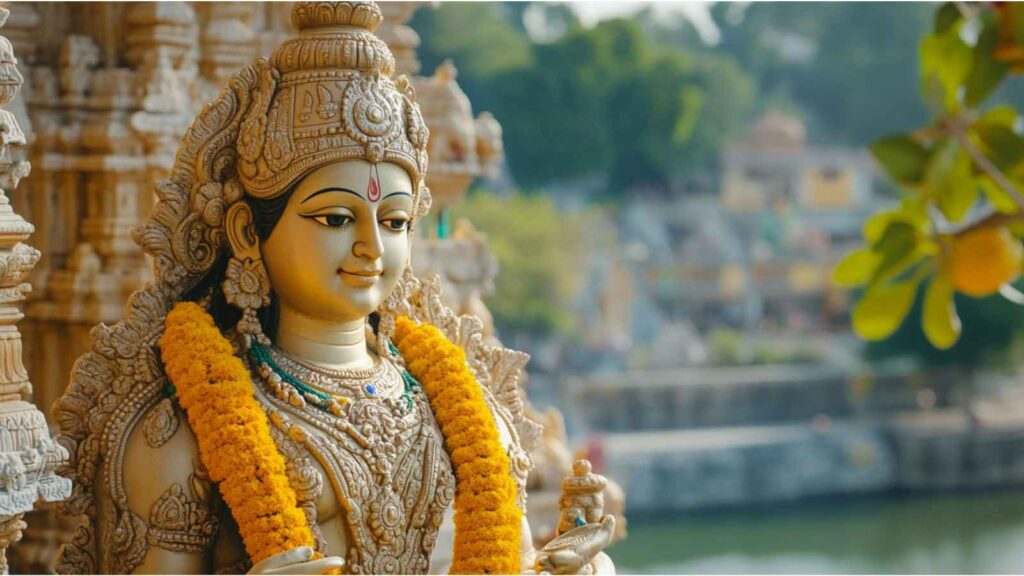
In Hinduism, the murti (plural: murtis) is far more than a piece of art or a decorative sculpture. It is the embodiment of the divine, an icon that channels the spiritual energy of the deity it represents. The creation of a murti follows strict ritualistic and artistic traditions, ensuring that every detail—from the posture and expression to the intricate carvings and ornaments—is imbued with symbolic meaning.
The Role of Murtis in Devotional Practice
- Spiritual Focal Point: Murtis serve as the focal point in temple worship and home altars, allowing devotees to direct their prayers, meditations, and offerings toward a tangible form of the divine.
- Manifestation of the Divine: According to ancient scriptures, when a murti is consecrated (prana pratishta), it becomes a living embodiment of the deity, enabling devotees to experience the divine presence in a direct and personal way.
- Cultural and Ritual Significance: The creation and worship of murtis are detailed in sacred texts like the Agamas, which outline the proper methods for temple construction and deity installation. They connect the practitioner with a long lineage of spiritual tradition and cultural heritage.
- Inspiration for Art and Architecture: Murtis have inspired some of the most exquisite forms of art in India, influencing temple design, sculpture, and even dance and music in devotional contexts.
Foundational Scriptures Guiding Murti Worship
The worship of murtis is deeply intertwined with ancient scriptures that provide both philosophical and practical guidelines:
- Upanishads: These philosophical texts explore the nature of the soul (Atman) and the ultimate reality (Brahman). They inspire the belief that the divine can be perceived in any form, making murtis a powerful medium for accessing the eternal.
- Bhagavad Gita: This sacred dialogue emphasizes selfless devotion (bhakti) and the importance of seeing the divine in all aspects of life. It reinforces the notion that murtis are not mere idols but are conduits for experiencing the divine.
- Vedas and Agamas: The Vedas lay down the foundation of ritual practices, while the Agamas provide detailed instructions on temple construction and murti consecration. Together, they ensure that every murti is created and venerated with utmost sanctity.
- Puranas: These texts narrate the stories of deities and serve as rich sources of iconography and symbolism that influence the design and form of murtis.
“When the deity is invoked and the sacred mantras resound, the murti becomes the embodiment of the divine, offering a direct path to the eternal.”
— Inspired by the teachings of the Vedas and Upanishads
The Symbolism and Creation of Murtis
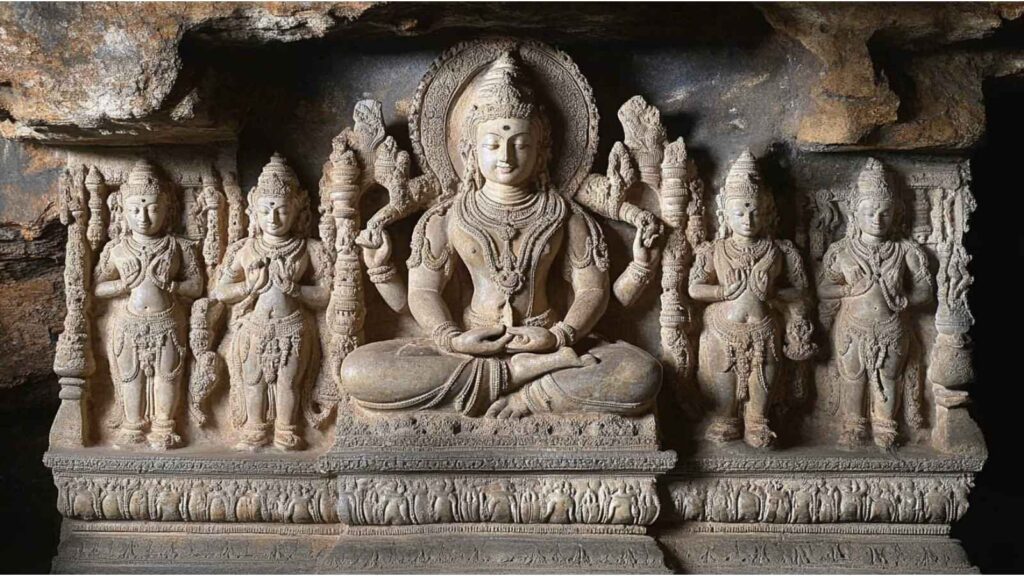
The creation of a murti is a sacred art form that involves both spiritual and artistic mastery. Every aspect of the murti’s design is imbued with symbolism, reflecting the attributes and cosmic roles of the deity.
Key Symbolic Elements in Murti Design
Posture and Gestures
- Mudras: Specific hand gestures (mudras) in a murti’s design convey particular attributes—such as protection, blessing, or meditation. For instance, the Abhaya mudra (gesture of fearlessness) is common in statues of Lord Vishnu and Goddess Durga.
- Stances: The posture of a murti can indicate the deity’s role in the cosmic order. A seated posture might denote calmness and meditative authority, while a standing posture may suggest readiness to act or protect.
Ornamentation and Attributes
- Jewelry and Attire: The elaborate ornaments and garments depicted on a murti signify the deity’s divine status and perfection. They often include symbols like crowns, garlands, and ceremonial robes that denote royalty and spiritual eminence.
- Weapons and Tools: In many murtis, the deity is shown holding specific weapons or items (like the Sudarshana Chakra of Vishnu or the Trishula of Shiva), which symbolize the power to maintain cosmic order and destroy ignorance.
Facial Expression and Eyes
- Divine Expression: The expression on a murti’s face is meticulously crafted to evoke a sense of compassion, strength, or serenity. The eyes, often considered the windows to the soul, are designed to captivate and inspire devotion.
- Symbolic Imagery: The subtle details, such as the depiction of a slight smile or the intensity in the eyes, serve as a reminder of the divine qualities that the deity embodies.
The Ritual of Prana Pratishta
The process of consecrating a murti is known as prana pratishta—the ritual infusion of life into the statue. Through elaborate ceremonies involving Vedic chants, offerings, and sacred rites, the murti is transformed from a mere object into a living embodiment of the divine presence.
“The sacred act of prana pratishta breathes life into the murti, making it the seat of the divine, a beacon of spiritual energy and cosmic order.”
— A reflection of ancient Agamic rituals
Temples as Guardians of Sacred Statues
Across India, temples serve as custodians of these divine murtis, offering devotees a direct encounter with the sacred. Below, we explore two iconic temples where murtis play a central role in the spiritual experience.
1. Kashi Vishwanath Temple, Varanasi, Uttar Pradesh
Name and Location
The Kashi Vishwanath Temple is located in the ancient city of Varanasi (also known as Kashi) in Uttar Pradesh, India. Varanasi is renowned as one of the oldest living cities in the world and is regarded as a major spiritual hub for Hindus.
Historical Background
Dedicated to Lord Shiva, the Kashi Vishwanath Temple has a history steeped in legend and devotion. Traditionally believed to have been established by the sage Parasurama, the temple has undergone numerous reconstructions over centuries due to invasions and natural calamities. Despite these challenges, it has remained a powerful symbol of faith and spiritual resilience, continuously attracting millions of devotees who seek the divine presence through its sacred murtis.
Architectural Highlights
- Garbhagriha: The inner sanctum houses the revered Shiva lingam, an iconic murti that represents the infinite nature of Shiva and the eternal cycle of creation and destruction.
- Shikhara: The towering spire above the sanctum symbolizes the aspirant’s journey towards the divine, with intricate carvings that narrate mythological tales and cosmic principles.
- Mandapa: The expansive assembly hall provides a space for communal rituals, Vedic recitations, and philosophical discourses, reinforcing the temple’s role as a center of spiritual learning.
- Gopurams: Ornate entrance towers decorated with detailed sculptures create a dramatic visual gateway, inviting devotees to leave the mundane world behind and step into a realm of divine beauty.
Visitor Experience
- Spiritual Ambience: The temple is imbued with a palpable aura of devotion—echoes of Vedic chants, the fragrance of incense, and the soft rustle of prayer flags set the stage for deep introspection.
- Cultural Immersion: Visitors witness age-old rituals and festivals, such as Maha Shivaratri, which feature elaborate processions, music, and dance that celebrate the glory of Lord Shiva.
- Personal Connection: Devotees often experience profound moments of connection when offering prayers before the sanctum, where the murti becomes a conduit for divine blessings.
- Ritual Purification: A visit to the temple is frequently complemented by a ritual dip in the Ganges, believed to purify the soul and prepare the mind for spiritual communion.
AI Image Creation Prompt:
“Illustrate Kashi Vishwanath Temple at dawn, capturing its majestic shikhara, the intricately carved garbhagriha housing the Shiva lingam, and the serene Ganges in the background with devotees engaged in prayer.”
Image Credit: AI Generated Image via ArtisticVisionAI
2. Meenakshi Amman Temple, Madurai, Tamil Nadu
Name and Location
The Meenakshi Amman Temple is located in the vibrant city of Madurai, Tamil Nadu, India. This temple is not only an architectural marvel but also a cultural landmark deeply embedded in the devotional practices of South India.
Historical Background
Steeped in myth and history, the Meenakshi Amman Temple is dedicated to Goddess Meenakshi (a form of Parvati) and Lord Sundareswarar (a manifestation of Shiva). With origins tracing back to ancient times, the temple has been expanded and renovated over centuries by various dynasties, including the Pandyas. Its rich history is interwoven with legends of divine love and cosmic order, and the temple remains a focal point for festivals, rituals, and artistic expressions that celebrate the divine feminine.
Architectural Highlights
- Murti Excellence: The temple is renowned for its exquisite murtis that depict the various forms and aspects of the deities. The carefully crafted statues not only serve as objects of veneration but also as embodiments of divine narratives.
- Gopurams: Towering and intricately carved gopurams dominate the temple’s exterior, each adorned with vibrant sculptures that tell stories from Hindu mythology.
- Mandapas: The temple complex features numerous halls designed for ritual performances, classical music recitals, and dance presentations—an ode to the integration of art and devotion.
- Ornate Detailing: From delicately carved pillars to richly decorated ceilings, every element of the temple’s architecture reflects the deep spiritual symbolism and artistic excellence of ancient Indian craftsmanship.
Visitor Experience
- Cultural Spectacle: The temple comes alive during festivals like Navaratri and Meenakshi Thirukalyanam, where elaborate processions, music, dance, and theatrical reenactments transform the space into a vibrant celebration of divine love.
- Spiritual Immersion: Visitors are enveloped in the temple’s serene atmosphere, where the soft glow of oil lamps, rhythmic chants, and the mesmerizing beauty of the murtis inspire profound introspection and devotion.
- Educational Engagement: Guided tours and informational displays provide context to the temple’s rich history and architectural grandeur, deepening the visitor’s understanding of its spiritual significance.
- Community Connection: The temple serves as a communal hub where people from all walks of life come together in shared worship and celebration, reinforcing a sense of unity and cultural pride.
AI Image Creation Prompt:
“Generate an image of Meenakshi Amman Temple at dusk, highlighting its towering, intricately carved gopurams, the richly detailed murtis within the temple courtyard, and a scene of devotees immersed in cultural and spiritual festivities.”
Image Credit: AI Generated Image via VisionaryCreationsAI
The Art and Spirituality of Murtis: Cultural and Ritual Insights
Murtis are more than static figures; they are dynamic embodiments of the divine, interwoven with the fabric of cultural identity and spiritual practice. Here are several aspects that highlight their multifaceted role:
Iconography and Symbolism
- Spiritual Narratives: Each murti tells a story, whether it’s the compassion of Lord Krishna, the cosmic dance of Lord Shiva, or the nurturing grace of Goddess Lakshmi. These narratives are often derived from the Puranas and epic literature.
- Aesthetic Perfection: The craftsmanship behind murtis is a testament to the skills of ancient sculptors who followed precise guidelines laid down in the Agamas. Every curve, gesture, and ornamentation is designed to evoke the presence of the divine.
- Ritual Significance: During ceremonies like prana pratishta, a murti is consecrated through sacred rituals that invoke the deity’s presence, transforming the statue into a living embodiment of divine energy.
Cultural and Social Dimensions
- Community Identity: Murtis are central to communal worship and festivals. They serve as rallying points for cultural celebrations and play a pivotal role in maintaining the continuity of religious traditions.
- Artistic Inspiration: Beyond their spiritual significance, murtis have inspired generations of artists, musicians, and dancers. They influence classical dance forms, devotional music, and even modern art, serving as bridges between ancient wisdom and contemporary creativity.
- Educational Value: Temples that house exquisite murtis often offer guided tours and workshops, educating visitors about the rich heritage of Hindu art and the deep symbolism embedded in these sacred statues.
Integrating the Worship of Murtis into Daily Practice
The veneration of murtis extends beyond temple visits and can be seamlessly integrated into daily spiritual practice. Here are some ways to incorporate the reverence for sacred statues into everyday life:
Creating a Personal Altar
- Dedicated Space: Set up a small altar at home with a carefully chosen murti that resonates with your spiritual path. Adorn it with fresh flowers, incense, and devotional images.
- Daily Rituals: Incorporate daily prayers, meditations, or bhajans in front of your murti. Use a japa mala to recite mantras, fostering a continuous connection with the divine.
Participating in Community Worship
- Temple Visits: Regular visits to local temples can deepen your spiritual practice. Engage in the rituals, observe the ceremonies, and interact with the community to enhance your understanding of murti worship.
- Cultural Festivals: Participate in festivals that celebrate the divine through processions, music, and dance. These events offer a collective experience of devotion and artistic expression.
Embracing Artistic Expression
- Devotional Music and Dance: Let the beauty of murtis inspire your creative expression. Whether through bhajans, kirtans, or classical dance, allow your artistic endeavors to become acts of devotion.
- Study and Reflection: Delve into the iconography and symbolism of murtis by studying scriptures like the Bhagavad Gita, Upanishads, and Puranas. Reflect on the stories and attributes they embody and integrate those insights into your daily life.


