Age-Appropriate Dharma: How Rights and Duties Evolve Throughout Life
Introduction
Dharma in Hinduism is not a static code but a dynamic principle that aligns with an individual’s context—age, caste, stage of life, and personal nature Wikipedia. Understanding age-appropriate dharma helps one navigate ethical duties and rights from childhood through renunciation, ensuring personal fulfillment and societal balance.
Read More About sacred texts
Understanding Dharma in Hinduism
Defining Dharma
Dharma encompasses moral rights, duties, laws, conduct, and virtues that sustain cosmic and social order Wikipedia. As Van Buitenen describes, dharma is the “natural law” that guides actions to their rightful outcomes.
Svadharma and Varṇa-Āśrama Dharma
- Svadharma refers to one’s personal duty shaped by individual nature and capacity; “It is far better to perform one’s own duty…than another’s” (BG 3.35) Holy Bhagavad Gita.
- Varṇa-dharma prescribes duties based on four social classes—Brahmin, Kshatriya, Vaiśya, Śūdra—linked to each person’s temperament and role in society WikipediaISKCON Educational Services.
- Āśrama-dharma outlines duties specific to the four life stages, integrating with varṇa to form the holistic varṇaśrama-dharma system ISKCON Educational Services.
Framework of Life Stages: The Four Āśramas
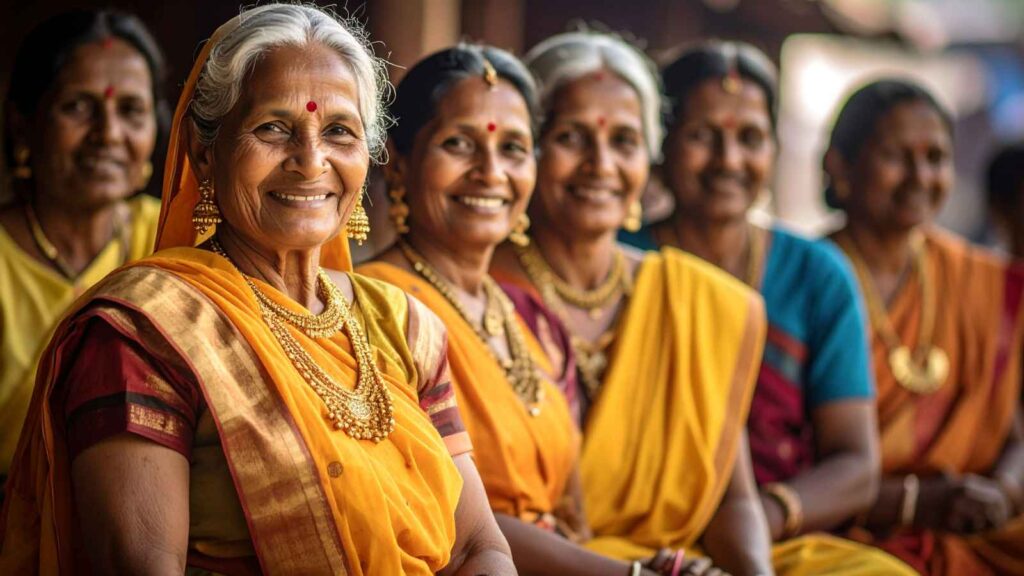
Hindu texts divide life into four sequential stages, each with entry and exit rites, duties, and societal roles.
1. Brahmacharya (Student Stage)
- Age: Birth to ~25 years (Upanayana initiation) Wikipedia.
- Rights: Receive education, guidance from a guru, and protection by family.
- Duties: Practice celibacy, self-discipline, scriptural study, and service (dakṣiṇā) to the guru Wikipedia.
2. Grihastha (Householder Stage)
- Age: ~25 to 50 years (wedding ceremony marks entry) Wikipedia.
- Rights: Marriage, procreation, pursuit of Artha and Kāma.
- Duties: Provide for family, perform sacraments, hospitality (atithi-sāṅgatya), contribute to community welfare Wikipedia.
3. Vanaprastha (Forest Dweller/Retired Stage)
- Age: ~50 to 75 years Wikipedia.
- Rights: Gradual withdrawal from worldly duties, time for reflection.
- Duties: Hand over household responsibilities to next generation, undertake penance, spiritual practices Wikipedia.
4. Sannyasa (Renunciate Stage)
- Age: 75+ years or anytime after Brahmacharya Wikipedia.
- Rights: Freedom from social and material obligations.
- Duties: Complete renunciation of possessions, wander for moksha, teach and guide others.
Age-Appropriate Rights and Duties
Childhood and Adolescence (Bāladharma)
- Education: Parents must nurture physical, moral, and spiritual well-being, teaching scriptures and ethics Shiva Dharma |.
- Rights: Protection, basic needs (food, shelter, education).
- Duties: Respect elders, observe family rituals, cultivate discipline. “Children should worship regularly with parents and learn morality” Shiva Dharma |.
Duties in Brahmacharya
- Rights: Access to Varṇa-ācārya guidance.
- Duties: Uphold chastity, learn Vedas and life skills diligently Wikipedia.
Grihastha: Midlife Responsibilities
- Rights: Pursue wealth, pleasure within dharmic bounds.
- Duties: Observe dharma as spouse, parent, citizen; perform daily pūjā, śrāddha for ancestors; support priests and community Encyclopedia Britannica.
Vanaprastha: Transition and Reflection
- Rights: Reduced household obligations.
- Duties: Guide children, mentor younger brahmacārins, intensify spiritual sādhanā Wikipedia.
Sannyasa: Renunciation of Rights
- Rights: None in material sphere.
- Duties: Sole pursuit of moksha, teach detachment; exemplify non-attachment for societal inspiration Wikipedia.
Varṇa Dharma Intersection
Varṇa-dharma delineates inherent duties—Brahmins teach and preserve knowledge, Kṣatriyas protect society, Vaiśyas trade, and Śūdras serve—all evolving with age and stage WikipediaISKCON Educational Services. Balancing varṇa and āśrama ensures social harmony.
Guiding Principles: Purushārthas and Svadharma
The puruṣārthas—Dharma, Artha, Kama, Moksha—provide objectives for each life stage: students focus on Dharma, householders on Artha and Kama under dharmic limits, and renunciates on Moksha Wikipedia. Krishna’s counsel—“better to die performing one’s duty, though imperfect, than excel in another’s”—highlights svadharma as age-appropriate action Holy Bhagavad Gita.
Modern Application
Contemporary Hindus adapt age-appropriate dharma by integrating education (Brahmacharya), career and family balance (Grihastha), mentorship or philanthropy (Vanaprastha), and volunteerism or spiritual pursuits (Sannyasa). Ethical guidelines like non-violence and truth remain constant across stages.
Conclusion
Age-appropriate dharma in Hinduism offers a nuanced roadmap for personal and social ethics, aligning rights and duties with life’s natural progression. Integrating varṇa, āśrama, and puruṣārthas ensures each individual contributes meaningfully to family, community, and cosmic order, ultimately advancing toward liberation.