
The Rights of the Marginalized: A Hindu Theological Perspective
Introduction
Hinduism, one of the world’s oldest religions, encompasses a vast array of philosophies, practices, and texts. While it offers profound insights into the nature of existence and the path to liberation, it has also been associated with social hierarchies that have marginalized certain communities. This article delves into Hindu theological perspectives on the rights of marginalized groups, exploring scriptural interpretations, reform movements, and contemporary efforts to promote inclusivity and justice.
Read More About sacred texts
1. Scriptural Foundations and Interpretations
1.1 Vedic Literature and Social Order
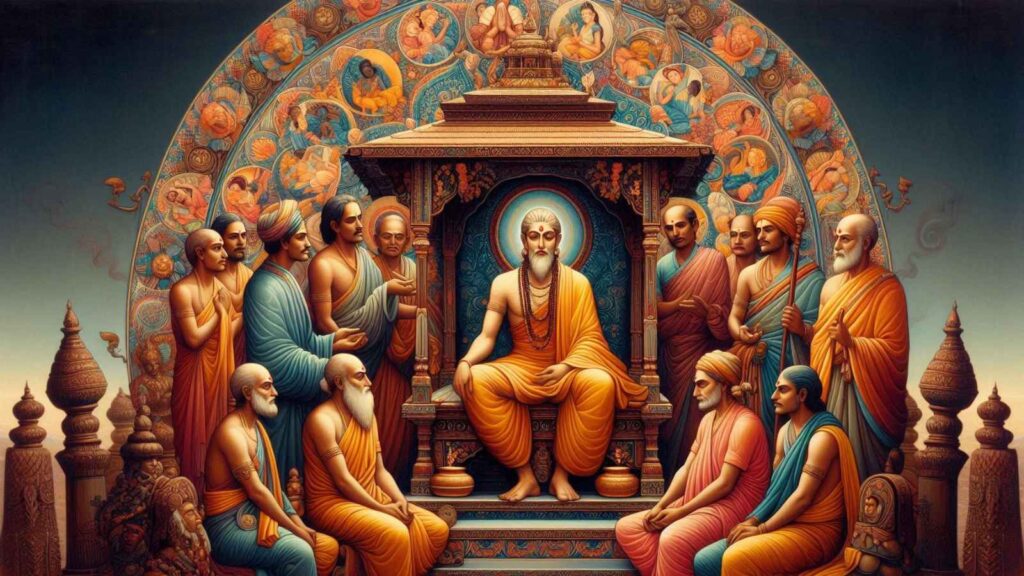
The Vedas, considered the oldest Hindu scriptures, introduce the concept of Varna, a classification of society into four groups: Brahmins (priests), Kshatriyas (warriors), Vaishyas (traders), and Shudras (servants). While initially based on qualities and duties, over time, this system became rigid, leading to hereditary caste distinctions and the exclusion of those outside the Varna system, notably the Dalits.
1.2 Upanishads and the Concept of Unity
The Upanishads, philosophical texts that explore the nature of reality, emphasize the underlying unity of all beings. The Mahāvākya “Tat Tvam Asi” (That Thou Art) suggests that the divine essence resides in every individual, challenging notions of inherent superiority or inferiority among humans.
1.3 Dharma and Social Responsibility
The concept of Dharma (righteous duty) plays a central role in Hindu ethics. While Dharma has been used to justify social roles, it also encompasses principles of justice, compassion, and service. Reformers have interpreted Dharma as a call to uplift the oppressed and challenge unjust social structures.
2. Historical Movements Advocating for the Marginalized
2.1 Bhakti Movement
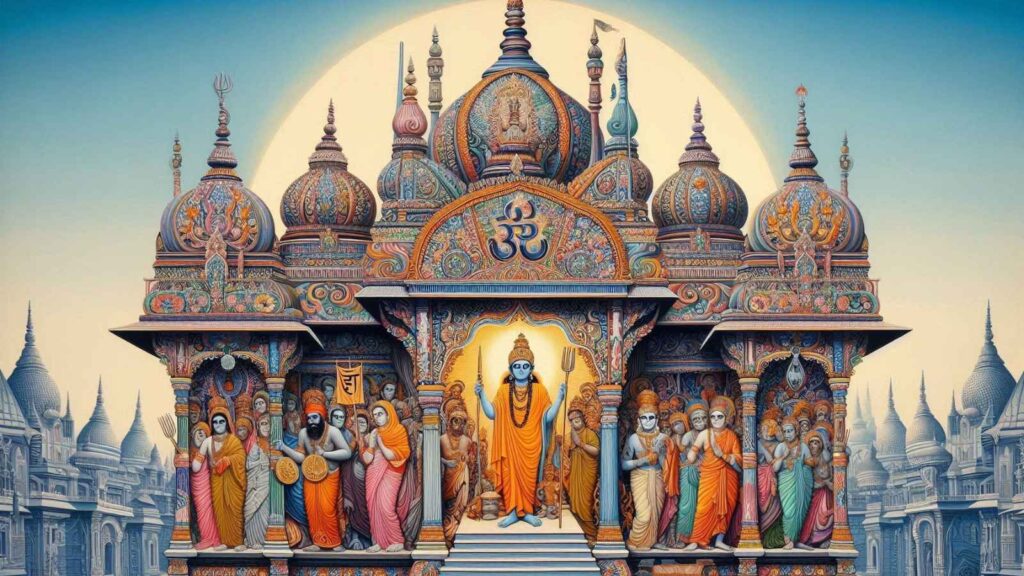
Spanning from the 7th to the 17th centuries, the Bhakti movement emphasized personal devotion to God over ritualistic practices. Saints like Kabir, Ravidas, and Mirabai emerged from marginalized communities, preaching equality and challenging caste distinctions. Their teachings fostered a more inclusive spiritual environment.
2.2 Social Reformers
- Raja Ram Mohan Roy: Advocated against practices like Sati and promoted women’s rights.
- Jyotirao Phule: Critiqued Brahminical dominance and worked for the education of lower castes and women.
- B.R. Ambedkar: A Dalit leader who fought against caste discrimination and played a pivotal role in drafting the Indian Constitution, ensuring legal safeguards for marginalized communities.
2.3 Temple Entry Movements
Movements in the early 20th century, such as the Vaikom Satyagraha, protested against the prohibition of lower castes from entering temples. These movements highlighted the need for religious spaces to be accessible to all, regardless of caste.
3. Contemporary Challenges and Responses
3.1 Caste Discrimination Today
Despite legal prohibitions, caste-based discrimination persists in various forms, including social ostracism, economic disparities, and violence against Dalits. Reports indicate that marginalized communities continue to face challenges in accessing education, employment, and justice.
3.2 The Role of Hindu Organizations
Some Hindu organizations have initiated programs to promote social harmony and uplift marginalized groups. However, critiques arise when such efforts are perceived as attempts to assimilate diverse identities into a singular narrative, potentially overlooking the unique experiences of these communities.
3.3 Global Diaspora and Caste
Caste-based prejudices have transcended national boundaries, affecting diaspora communities. Incidents of discrimination in workplaces and educational institutions abroad have prompted discussions on the need for awareness and policy interventions.
4. Theological Reinterpretations and Inclusive Practices
4.1 Emphasizing Universal Divinity
Modern theologians and practitioners advocate for interpretations of Hinduism that emphasize the divine presence in all beings. By focusing on teachings that highlight unity and compassion, there’s a push to move beyond caste-based divisions.
4.2 Inclusive Rituals and Leadership
Efforts are underway to make religious rituals more inclusive, with marginalized individuals taking on roles traditionally reserved for higher castes. This shift challenges long-standing norms and promotes a more egalitarian spiritual practice.
4.3 Education and Awareness
Educational initiatives aim to inform communities about the egalitarian aspects of Hindu philosophy, encouraging critical engagement with scriptures and traditions to foster inclusivity.
5. Actionable Steps for Promoting Inclusivity
- Community Dialogues: Organize discussions that bring together diverse voices to address caste-related issues within religious contexts.
- Inclusive Education: Incorporate teachings on equality and social justice in religious education programs.
- Support Marginalized Leaders: Encourage and support individuals from marginalized communities in taking up leadership roles within religious institutions.
- Reevaluate Traditions: Critically assess rituals and practices to identify and amend elements that perpetuate exclusion.
Conclusion
Hinduism’s rich tapestry offers both challenges and opportunities in addressing the rights of marginalized communities. By revisiting and reinterpreting its theological foundations, there’s potential to foster a more inclusive and just society. Embracing the core principles of unity, compassion, and justice can guide efforts to uplift all individuals, honoring the divine essence inherent in every being.