
Tilaka and Bindi: Sacred Adornments in Hindu Culture and Temple Worship
Hinduism, one of the world’s oldest living traditions, is renowned for its rich tapestry of philosophy, art, and ritual. Among its many expressions of devotion are the sacred personal adornments—tilaka and bindi. These traditional symbols are not merely decorative; they are imbued with deep spiritual meaning and serve as a constant reminder of the divine presence. Rooted in ancient scriptures like the Vedas, Upanishads, Bhagavad Gita, and Agamas, tilaka and bindi have been worn by devotees for centuries as marks of identity, purity, and spiritual commitment.
Read More About Hindu Philosophy
This comprehensive guide explores the origins, significance, and cultural impact of tilaka and bindi in Hinduism. We will examine their scriptural foundations and the diverse ways in which these adornments are used—from daily personal rituals to vibrant temple ceremonies. Additionally, we profile two iconic temples where the use of sacred attire is integral to the devotional experience: Kashi Vishwanath Temple in Varanasi, Uttar Pradesh and Jagannath Temple in Puri, Odisha. For each temple, we discuss its location, historical background, architectural highlights, and the visitor experience, illustrating how traditional adornments create a cohesive atmosphere of reverence.
Furthermore, we provide a creative framework for using AI to generate captivating visuals that showcase these sacred symbols. Let this guide serve as your gateway to understanding how tilaka and bindi are much more than mere adornments—they are living symbols of divine energy and spiritual transformation.
Introduction: The Sacred Language of Adornment
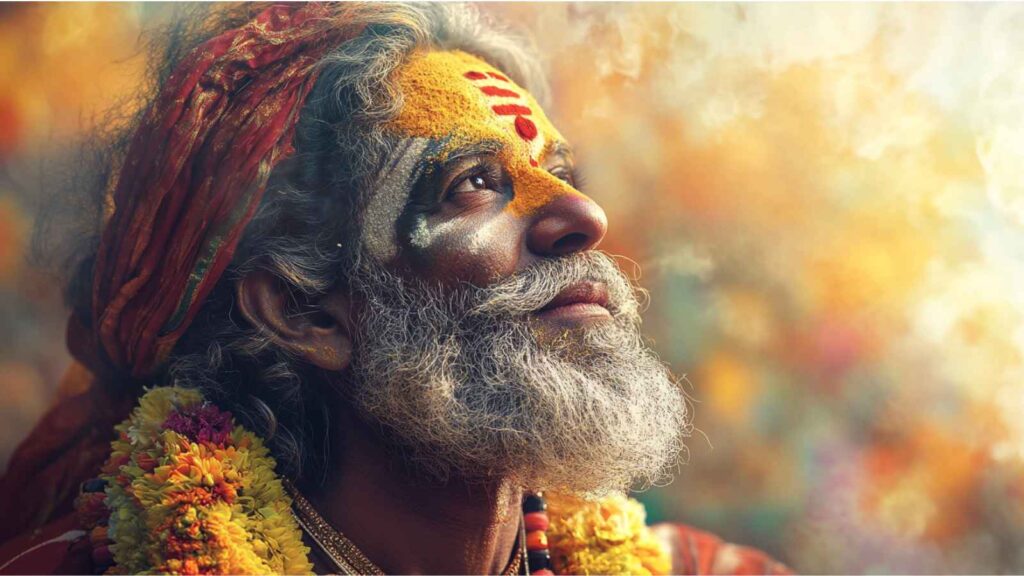
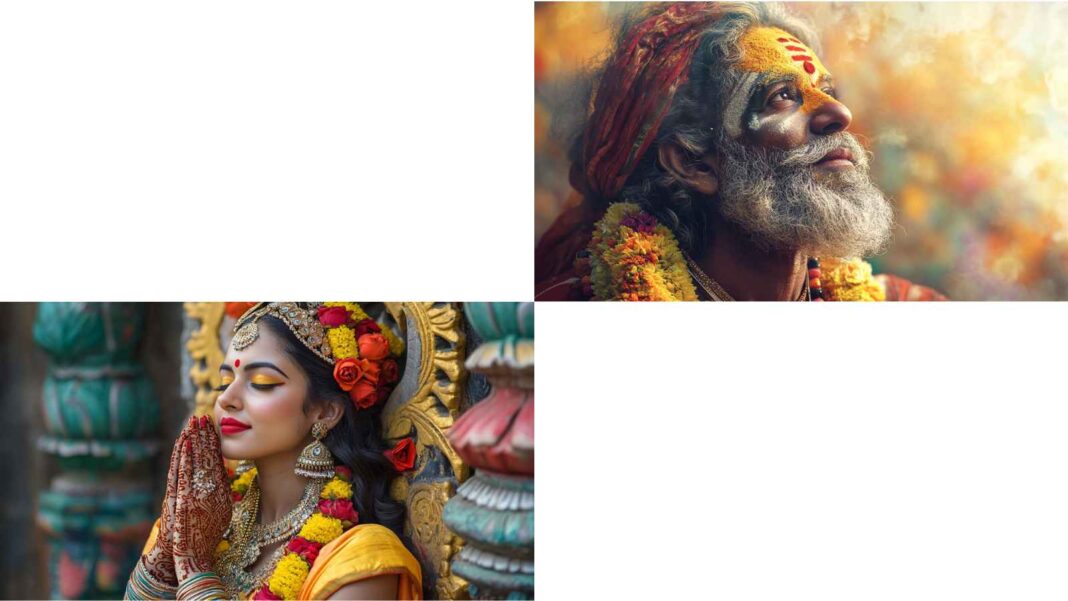
In Hindu culture, personal adornments are not simply a matter of aesthetics—they are sacred symbols that convey deep spiritual truths and cultural heritage. The tilaka, typically a mark applied on the forehead using sandalwood paste, vermilion, or turmeric, signifies the third eye or spiritual vision. Meanwhile, the bindi—a small dot worn at the center of the forehead—embodies a variety of meanings, ranging from marital status and feminine beauty to an emblem of inner consciousness and the divine spark (Atman).
These symbols are mentioned in ancient scriptures and have been passed down through generations, evolving into intricate practices that mark both personal identity and communal belonging. In temples and during rituals, the presence of tilaka and bindi enhances the sacred atmosphere and reinforces the connection between the individual and the ultimate reality (Brahman).
“The tilaka is not merely a mark on the forehead—it is a sign of the eternal light within, a symbol of the spiritual vision that guides the seeker on the path to self-realization.”
— Inspired by Vedic wisdom
Understanding Tilaka and Bindi: Origins and Scriptural Foundations

Historical Origins
The tradition of wearing tilaka and bindi dates back to ancient times. Early references to these adornments are found in the Vedas and Upanishads, where they are associated with spiritual purity and the recognition of the divine within. Over time, these symbols have taken on various regional forms and interpretations. For instance, a tilaka may be applied in a vertical or horizontal line depending on the sect or deity revered, while the bindi can vary in color and design to reflect different cultural meanings.
Scriptural Guidance
- Vedas & Upanishads:
These texts underscore the importance of purity and inner wisdom. The tilaka is often seen as a symbol of the third eye—an emblem of spiritual insight and awakening. The Upanishads further elaborate on the concept of Atman (the soul), reminding devotees that the divine spark lies within. - Bhagavad Gita:
In the Gita’s discourse on self-realization and devotion (bhakti), personal adornment is viewed as an external reflection of inner purity and focus. The practice of marking the forehead with tilaka or bindi aligns with the teaching that one must constantly remind oneself of the eternal presence of God. - Agamas:
The Agamic texts provide detailed guidelines for temple rituals and priestly conduct, including prescribed marks of tilaka and bindi. These texts ensure that proper adornment is maintained during sacred ceremonies, reinforcing the sanctity of the ritual space.
“When the devotee adorns the forehead with a tilaka or bindi, it is a declaration of his inner commitment to the divine, an outward manifestation of the inward quest for truth.”
— A reflection of ancient Agamic practices
Cultural Significance and Varieties
Tilaka: The Spiritual Mark
The tilaka is traditionally applied by both men and women, though its design and color often differ according to sect, region, and personal devotion.
- For Devotees of Shiva:
A simple white tilaka made of sandalwood paste or ash is common, symbolizing purity, austerity, and the transcendent nature of the soul. - For Devotees of Vishnu or Krishna:
A red or vermilion tilaka is typically worn, representing divine energy, auspiciousness, and the power of creation. - Regional Variations:
In South India, the tilaka might be more elaborate, sometimes featuring multiple vertical lines, whereas in North India, a single, centered mark is prevalent.
Bindi: The Dot of Beauty and Divinity
Traditionally worn by women, the bindi is more than just a decorative element; it is a symbol of the third eye and the awakening of inner consciousness.
- Spiritual Significance:
The bindi is believed to focus the mind and signify the point of spiritual insight. It represents the union of the feminine divine energy (Shakti) with the universal consciousness. - Cultural Variations:
The style, size, and color of the bindi can indicate marital status, regional customs, and personal aesthetics. In modern times, while the bindi has become a fashion statement, its traditional meanings remain potent among devotees.
Ritual and Social Dimensions
Traditional adornments like tilaka and bindi are worn during religious festivals, temple visits, and important life ceremonies. They serve as both a mark of devotion and a reminder of one’s duty to uphold dharma (righteous living). Moreover, these symbols are integral to the community identity, linking individuals to a collective heritage and shared spiritual values.
- Ritual Purity:
Wearing these marks is seen as essential for maintaining ritual purity, an important aspect of Hindu worship. - Community Bonding:
During festivals such as Diwali, Navaratri, and various temple celebrations, the sight of devotees adorned with tilaka and bindi reinforces a sense of unity and belonging.
Traditional Attire in Temple Worship
Temples are not only centers of architectural marvel and spiritual practice—they also serve as places where the customs of personal adornment are vividly displayed. Devotees often wear tilaka and bindi as part of their traditional attire when visiting temples, creating an atmosphere of collective devotion and cultural pride.
Below, we profile two iconic temples that exemplify how sacred attire is integrated into the devotional experience.
Temple Profile 1: Kashi Vishwanath Temple, Varanasi, Uttar Pradesh
Name and Location
Kashi Vishwanath Temple
Varanasi (Kashi), Uttar Pradesh, India
Historical Background
- Ancient Legacy:
Kashi Vishwanath Temple, dedicated to Lord Shiva, is one of the most venerated temples in Hinduism. Believed to have been established by the sage Parasurama and rebuilt several times through the ages, the temple has withstood the test of time and remains a beacon of spiritual energy in one of the world’s oldest living cities. - Cultural Relevance:
Varanasi is renowned as the spiritual capital of India, where the cycle of life, death, and rebirth is both observed and transcended. The temple’s traditions have been deeply influenced by ancient texts and ritual practices, including the proper application of tilaka and bindi by devotees as marks of reverence.
Architectural Highlights
- Garbhagriha and Shikhara:
The temple’s sanctum (garbhagriha) houses the sacred Shiva lingam, while its imposing shikhara reaches towards the heavens, symbolizing the soul’s journey towards enlightenment. - Ornate Carvings and Inscriptions:
The walls of Kashi Vishwanath Temple are adorned with intricate carvings and inscriptions that narrate mythological stories and scriptural verses, reinforcing its connection to ancient wisdom. - Devotional Ambience:
The temple complex is designed to evoke a sense of tranquility and divine presence, with every element—from the layout to the lighting—contributing to the sacred atmosphere.
Visitor Experience
- Spiritual Immersion:
Visitors are greeted by the resonant sounds of Vedic chants, the aroma of incense, and the rhythmic ringing of temple bells, creating an environment that inspires deep devotion and introspection. - Cultural Engagement:
During festivals such as Maha Shivaratri, the temple becomes a hub of vibrant rituals, with devotees wearing traditional attire—including tilaka and bindi—to honor the divine. - Educational Tours:
Guided tours provide insights into the temple’s rich history, architectural design, and the significance of its ritual practices, enhancing the visitor’s understanding and experience.
AI Image Creation Prompt:
“Illustrate Kashi Vishwanath Temple at sunrise, capturing its majestic shikhara and serene garbhagriha, with devotees adorned in traditional attire featuring tilaka and bindi, set against the tranquil backdrop of the Ganges.”
Image Credit: AI Generated Image via ArtisticVisionAI
Temple Profile 2: Jagannath Temple, Puri, Odisha
Name and Location
Jagannath Temple
Puri, Odisha, India
Historical Background
- Legendary Origins:
The Jagannath Temple is one of the oldest and most significant pilgrimage centers in Hinduism, with a history spanning over a millennium. Dedicated to Lord Jagannath—a form of Vishnu—the temple is steeped in myth and tradition, with its rituals and festivals drawing devotees from across the globe. - Cultural and Ritual Significance:
The temple’s annual Rath Yatra (Chariot Festival) is a spectacular event where traditional attire, including tilaka and bindi, plays a central role in the ceremonial celebrations. The practices observed here are deeply rooted in ancient scriptures and reflect the enduring legacy of Vaishnavite devotion.
Architectural Highlights
- Sacred Layout:
The temple features a well-defined garbhagriha that houses the deities, complemented by a soaring shikhara that symbolizes the cosmic order. Its architectural design is a blend of intricate carvings, vibrant murals, and sacred yantra motifs. - Ornate Decorations:
Elaborate carvings, ornamental doorways, and richly painted murals adorn the temple, each element echoing the spiritual narratives and scriptural guidance of the Vedas and Agamas. - Integration of Ritual Spaces:
The temple’s extensive corridors, mandapas, and circumambulatory paths are designed to facilitate devotional practices, enhancing the overall experience of worship and community engagement.
Visitor Experience
- Festive Vibrancy:
The Jagannath Temple is renowned for its festive atmosphere, especially during the Rath Yatra. Devotees dressed in traditional garments, complete with tilaka and bindi, participate in vibrant processions that showcase the region’s rich cultural heritage. - Spiritual Serenity:
The temple’s serene environment, coupled with the continuous recitation of sacred hymns and prayers, provides visitors with a profound sense of inner peace and spiritual upliftment. - Cultural and Educational Tours:
Informative tours and interactive exhibits offer deep insights into the temple’s historical significance, architectural marvels, and the importance of traditional adornments in ritual practices.
AI Image Creation Prompt:
“Generate an image of Jagannath Temple at dusk, highlighting its ornate murals and intricate carvings, with a festive scene of devotees wearing traditional attire—featuring tilaka and bindi—participating in the vibrant Rath Yatra.”
Image Credit: AI Generated Image via VisionaryCreationsAI
Integrating Sacred Attire into Daily Life and Devotion
The practices of adorning oneself with tilaka and bindi extend well beyond temple visits. They are integral to personal and communal expressions of devotion and cultural identity. Here are some ways to incorporate these sacred symbols into daily life:
Personal Practices
- Daily Worship:
Incorporate the application of tilaka or bindi into your morning routine as a way to remind yourself of the divine presence within and around you. - Home Altars:
Create a dedicated space for meditation and prayer that includes images of deities and personal mementos of sacred attire. This can enhance your focus and create a spiritually charged environment. - Mindful Reflection:
Use the symbolism of the tilaka and bindi as focal points during meditation, reflecting on their meanings and the eternal connection between the individual and the divine.
Community and Cultural Engagement
- Festivals and Celebrations:
Participate in religious festivals and community events where traditional attire is worn with pride. These occasions reinforce cultural bonds and keep ancient traditions alive. - Workshops and Exhibitions:
Attend or organize events that celebrate the art and history of sacred adornments. Such gatherings can offer deeper insights into the cultural significance and evolving fashion of tilaka and bindi. - Virtual Experiences:
Leverage digital platforms to explore virtual tours of temples known for their adherence to traditional dress codes, providing global audiences with immersive experiences of sacred Indian culture.