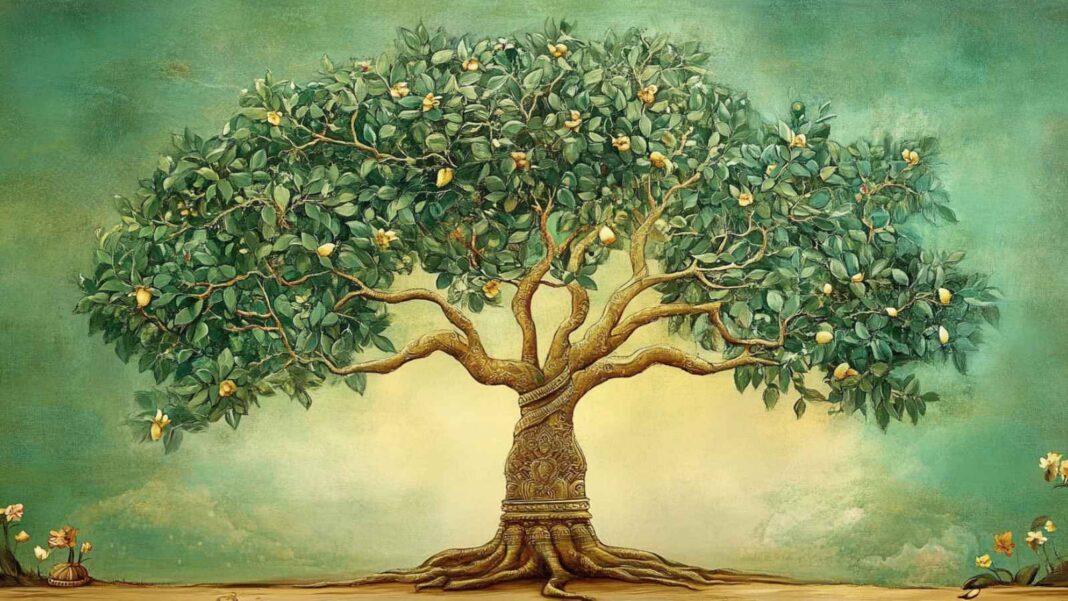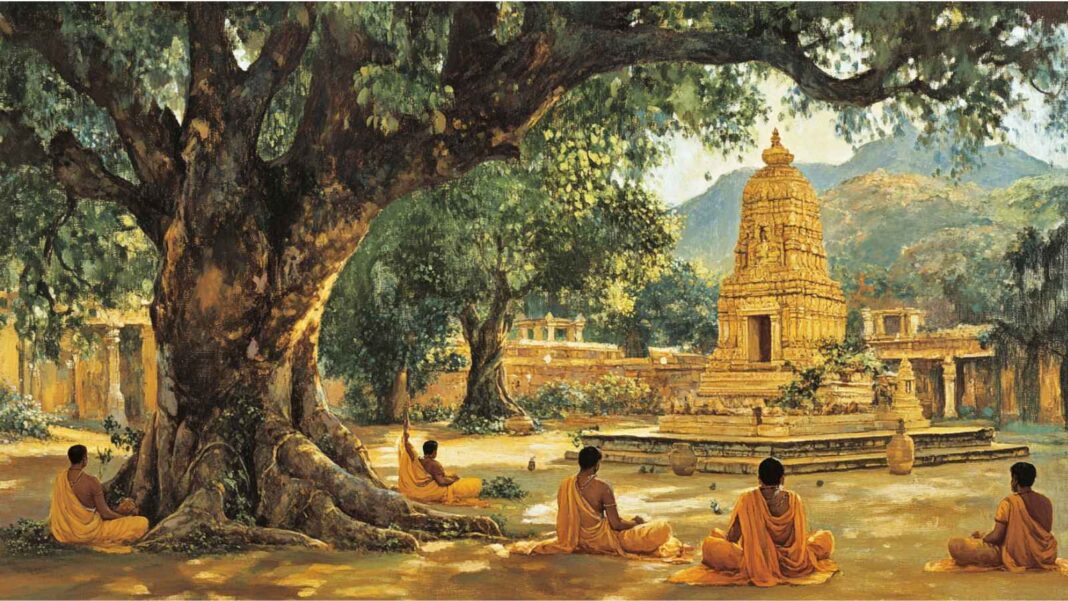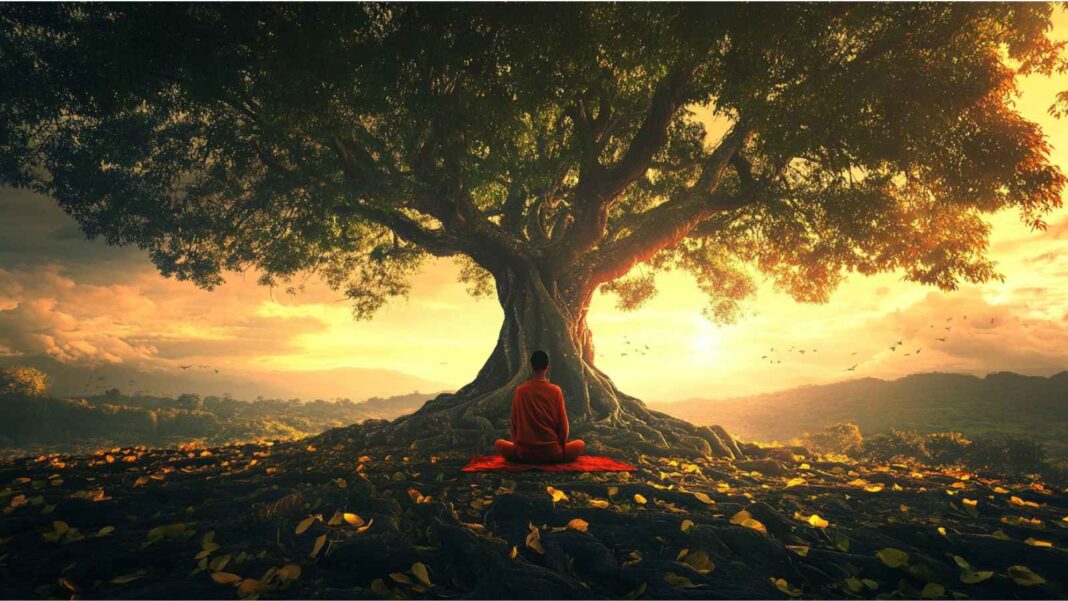

In Hinduism, nature and divinity are inextricably linked, and few symbols exemplify this unity better than the Banyan tree (Ficus benghalensis). Known as the “Tree of Life,” the Banyan tree is revered not only for its ecological and medicinal benefits but also for its deep spiritual symbolism. It represents eternal life, cosmic unity, and the intricate connections between all living beings.
Read More About Ritual & Practices
Ancient scriptures such as the Vedas, Upanishads, and various Puranas extol the virtues of the Banyan tree, attributing to it qualities of immortality and divine energy. It is believed that the expansive canopy and aerial roots of the Banyan tree symbolize the interconnectedness of the universe, offering shelter and wisdom to those who seek spiritual solace.
This article delves into the multifaceted significance of the Banyan tree in Hindu thought. We explore its spiritual and philosophical dimensions, examine foundational scriptures and ritual practices, and present a detailed profile of a temple dedicated to the sacred Banyan tree. In particular, we highlight the Vat Vriksha Mandir in Ujjain, Madhya Pradesh—a temple where nature, architecture, and spirituality converge. We also provide actionable ideas for creating AI-generated imagery that captures the divine beauty of the Banyan tree, along with proper references and citation frameworks.
Whether you are a devout seeker, a cultural enthusiast, or a curious traveler, this comprehensive guide offers insights and inspiration to deepen your understanding of one of Hinduism’s most venerated symbols.
The Spiritual and Philosophical Significance of the Banyan Tree

Sacred Symbolism and Divine Metaphors
The Banyan tree holds a revered place in Hindu tradition for several reasons:
- Eternal Life and Immortality:
The endless aerial roots and expansive canopy symbolize the eternal cycle of life, death, and rebirth—a core tenet of Hindu philosophy. - Interconnectedness:
Just as the Banyan tree’s roots spread far and wide, it represents the intricate interconnectedness of all creation. This connection is emblematic of the unity between the individual soul (atman) and the universal spirit (Brahman). - Shelter and Wisdom:
The tree is seen as a provider of refuge and sustenance. Many sages and seers are said to have meditated under its vast shade, drawing wisdom and divine inspiration. - Cosmic Order:
Its sprawling branches and network of roots mirror the structure of the cosmos, suggesting that every life form is part of a larger, harmonious system.
Scriptural Foundations and Ritual Guidance
Ancient texts offer deep insights into the symbolism and ritualistic significance of the Banyan tree:
- Vedas and Upanishads:
These foundational scriptures refer to nature as a manifestation of the divine. The Banyan tree, often called Vatavriksha, is associated with the eternal life force and is praised as a symbol of spiritual enlightenment and unity. - Puranas:
Several Puranic legends illustrate the miraculous powers of the Banyan tree. These texts recount tales where the tree acts as a witness to divine events or a sacred sanctuary for meditating sages. - Ritual Practices:
Devotees incorporate the Banyan tree into their daily rituals by offering water, flowers, and incense. During special observances, such as the annual Vat Savitri Vrat, devotees gather around the tree to recite hymns and mantras, seeking blessings for longevity and spiritual growth.
“Under the shelter of the Banyan tree, one can glimpse the eternal; its roots and branches intertwine like the fabric of the universe, uniting all beings in the dance of creation and dissolution.”
(This ancient wisdom is echoed in commentaries on the Vedas and Upanishads.)
Cultural and Ritual Importance in Daily Life
Everyday Worship and Household Traditions
In many Indian households, the Banyan tree is not only an emblem of nature but also a living deity. Its image often adorns home altars, and miniature representations (or even a sapling) are nurtured with great care.
- Daily Rituals:
Devotees offer prayers to the Banyan tree in the early morning and at dusk, using water, sacred ash, and flowers to invoke its blessings. - Medicinal and Environmental Benefits:
The tree is acclaimed in Ayurveda for its healing properties, with various parts used to treat ailments and improve overall well-being. Environmentally, its expansive canopy provides natural cooling and supports diverse ecosystems. - Community Celebrations:
Festivals such as Vat Savitri Vrat and local fairs often center around the Banyan tree, where communities come together to celebrate its spiritual significance through music, dance, and storytelling.
The Banyan Tree in Myth and Folklore
The lore surrounding the Banyan tree is rich with symbolism and myth. One popular legend recounts how the tree was a favored meeting place for sages and deities, who gathered beneath its shade to deliberate on cosmic truths. This narrative reinforces the notion that the tree is a living symbol of wisdom, sheltering the divine and the mortal alike.
Temple Profile: Vat Vriksha Mandir, Ujjain, Madhya Pradesh
Among the many temples that honor sacred flora, the Vat Vriksha Mandir in Ujjain stands out as a beacon of spiritual heritage. Ujjain, one of the ancient holy cities of India, is steeped in tradition and divine lore, making it an ideal location for a temple dedicated to the venerable Banyan tree.
Name and Exact Location
- Temple Name: Vat Vriksha Mandir
- Location: Ujjain, Madhya Pradesh, India
Historical Background
Vat Vriksha Mandir has a storied history that intertwines myth, devotion, and ancient wisdom. According to local legend, the temple was established centuries ago by revered sages who recognized the Banyan tree as a symbol of eternal life and cosmic wisdom.
- Ancient Origins:
The temple’s origins trace back to an era when Ujjain was a thriving center of spiritual learning and ritual practice. It is said that sages meditated under the Banyan tree’s vast canopy, gaining insights that would shape Hindu thought for generations. - Royal Patronage:
Throughout its history, Vat Vriksha Mandir has received support from local kings and chieftains, who recognized its importance as a center for spiritual rejuvenation and cultural preservation. - Evolution and Renovation:
While the core sanctity of the temple remains unchanged, periodic renovations have integrated modern amenities without compromising its ancient charm. This delicate balance of tradition and modernity continues to attract devotees from across the nation.
Architectural Highlights
Vat Vriksha Mandir is a marvel of architectural ingenuity, reflecting both the natural beauty of the Banyan tree and the intricate craftsmanship of ancient builders.
- Harmonious Integration of Nature and Architecture:
The temple is built around a central Banyan tree, which is considered the living deity of the complex. Stone pathways, carved pillars, and open courtyards are designed to complement the natural form of the tree. - Intricate Carvings and Symbolism:
The temple walls are adorned with sculptures and reliefs depicting mythological scenes, nature motifs, and representations of the divine. These carvings not only serve as artistic expressions but also as visual narrations of the sacred lore associated with the Banyan tree. - Sacred Altar and Meditation Spaces:
A dedicated altar near the ancient Banyan tree serves as the focal point of worship. Adjacent meditation pavilions provide visitors with tranquil spaces for introspection and prayer, echoing the ancient tradition of seeking enlightenment under the tree’s shelter. - Blend of Traditional and Contemporary Design:
While the temple retains its classic architectural style, thoughtful modern enhancements—such as improved lighting, seating areas, and digital information displays—ensure that the visitor experience is both comfortable and immersive.
Visitor Experience
A visit to Vat Vriksha Mandir is a journey into the heart of spiritual tradition, offering a unique blend of historical insight, cultural richness, and serene natural beauty.
- Spiritual Ambiance:
The temple exudes an aura of peace and divinity. The gentle rustle of Banyan leaves, the sound of temple bells, and the soft chanting of mantras create an environment that nurtures the soul. - Interactive Rituals:
Devotees have the opportunity to participate in daily pujas and special ceremonies. Guided by experienced priests, visitors can learn about the significance of various rituals and even partake in offerings to the sacred Banyan tree. - Educational Tours:
Informative tours led by knowledgeable guides provide insights into the temple’s historical evolution, architectural features, and the mythological narratives associated with the Banyan tree. These tours are designed to enrich the visitor’s understanding of both the spiritual and cultural heritage of Ujjain. - Festivals and Special Events:
During significant festivals, such as the annual Vat Savitri Vrat, the temple becomes a hub of cultural activity. Special programs, including devotional music, traditional dance performances, and storytelling sessions, bring the ancient lore of the Banyan tree to life.
Foundational Scriptures and Ritual Practices
Scriptural Foundations
The veneration of the Banyan tree is deeply rooted in Hindu sacred literature. Key texts provide not only spiritual guidance but also practical instructions for rituals involving the tree.
- Vedas and Upanishads:
The ancient Vedic texts regard nature as a manifestation of the divine. References to Vatavriksha (Banyan tree) highlight its symbolic role in representing eternal life and cosmic unity. - Puranas:
Numerous Puranic narratives detail the miraculous powers and divine associations of the Banyan tree. These stories often describe how the tree served as a sanctuary for sages and a witness to cosmic events, reinforcing its status as a living symbol of spiritual wisdom. - Ritual Manuals:
Traditional texts prescribe specific rituals and offerings for the Banyan tree. These rituals include the recitation of mantras, the pouring of sacred water, and the placement of floral garlands, all designed to invoke its protective and life-giving energies.
Ritual Practices and Devotional Observances
Devotional practices involving the Banyan tree are central to daily life for many Hindus:
- Daily Puja:
Every morning and evening, devotees perform simple rituals that involve offering water, incense, and flowers at the base of the Banyan tree. These acts of worship serve as a reminder of the eternal cycle of life and the interconnectedness of all beings. - Seasonal Ceremonies:
Special ceremonies are held during significant lunar phases and seasonal transitions. These events celebrate the tree’s role in nature’s cycles and are believed to bring blessings of health, prosperity, and spiritual growth. - Community Gatherings:
In many rural and urban communities, the Banyan tree serves as a natural meeting point where people come together to share stories, celebrate festivals, and engage in collective prayer, thereby reinforcing communal bonds and cultural heritage.
“The ancient Banyan tree stands as a silent guardian of time, its roots weaving the tapestry of existence and its branches offering shelter to the eternal quest for truth.”
(This profound insight is mirrored in age-old hymns and commentaries on Vedic and Puranic texts.)