
Introduction
A Brief Overview of Bhairava in Hinduism
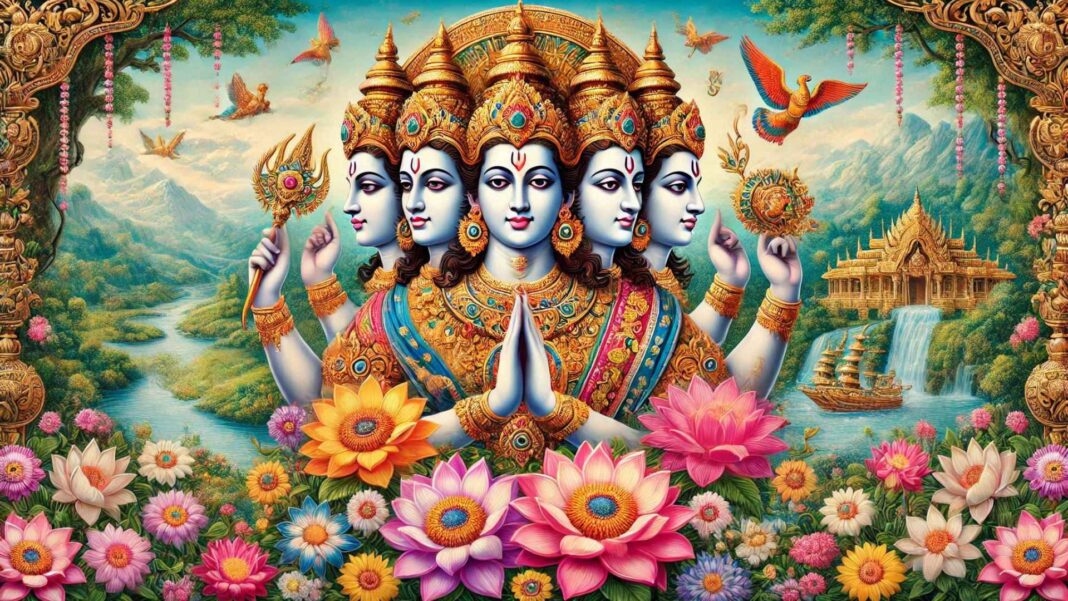
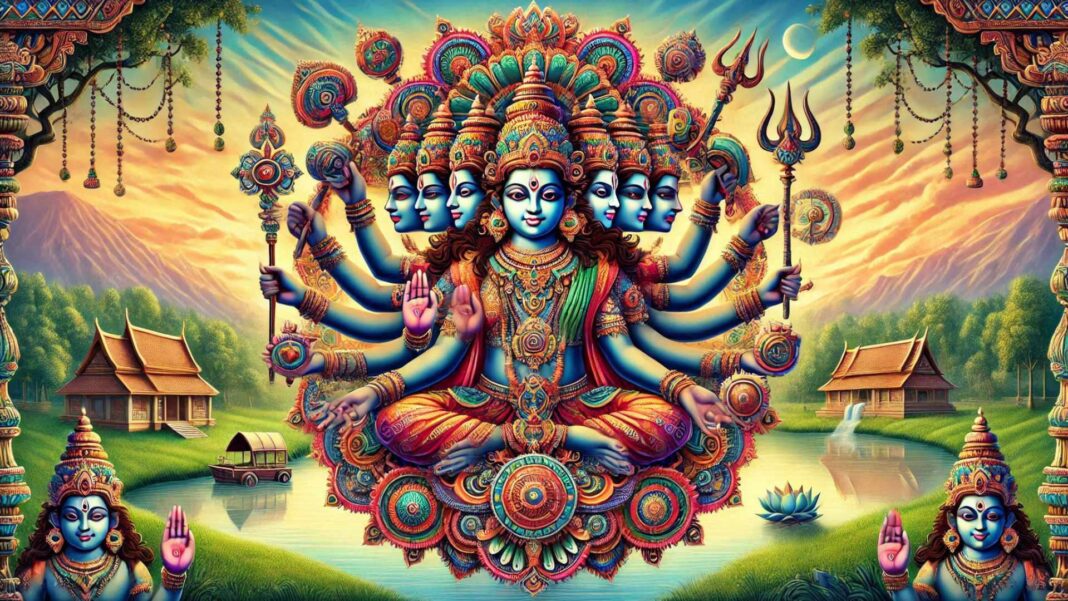
Bhairava, an intense and awe-inspiring manifestation of Lord Shiva, holds a unique position in Hinduism. Revered as the fierce guardian and the destroyer of ignorance, Bhairava embodies the duality of protection and destruction. He is often associated with time, transformation, and the cosmic order. In his form, Bhairava transcends the limitations of the material world, guiding devotees on their spiritual path while fiercely protecting dharma.
Read More About Deities And Gods
Significance of Bhairava in Daily Hindu Life
Bhairava is worshiped by those seeking protection, courage, and a deeper understanding of life’s transient nature. His energy is a reminder of life’s impermanence, urging devotees to embrace discipline, spiritual wisdom, and detachment. He is also known as Kshetrapala, the guardian of sacred spaces, ensuring purity and sanctity.
The Cosmic and Spiritual Importance of Bhairava
Bhairava symbolizes the destructive aspect of Shiva, which paves the way for renewal and transformation. Spiritually, he represents the control over base instincts, the subjugation of ego, and the transcendence of fear. He embodies the concept of Kaala (time), emphasizing that life and death are part of an eternal cycle.
Names and Etymology
Meaning of Bhairava
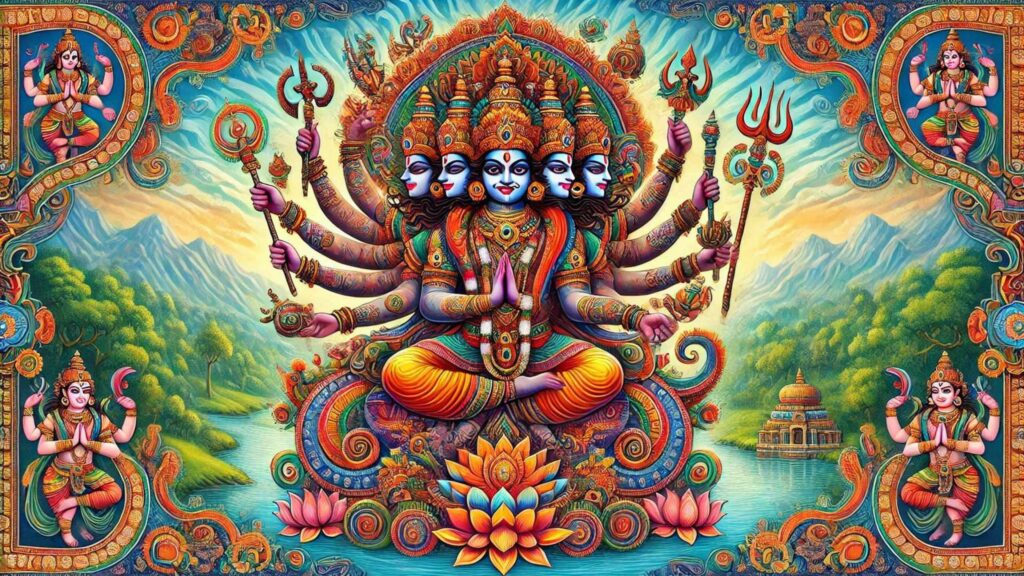
The name “Bhairava” is derived from the Sanskrit roots “Bhaya” (fear) and “Rava” (sound or cry), signifying the one whose roar removes fear. Bhairava is also referred to as “The Terrifying One,” symbolizing his power to annihilate ignorance and negativity.
Other Names of Bhairava
Bhairava has several other epithets, each reflecting a unique aspect of his divinity:
- Kaala Bhairava: The Lord of Time.
- Kshetrapala: The Protector of Sacred Spaces.
- Swarnakarshana Bhairava: The Golden Attractor, bestowing wealth and prosperity.
- Asitanga Bhairava: Representing dispassion and transcendence.
- Ruru Bhairava: The teacher of knowledge and wisdom.
- Chanda Bhairava: Fierce and protective.
- Kapala Bhairava: Holding a skull, symbolizing the cycle of life and death.
Each name emphasizes his role as a protector, teacher, and spiritual guide.
Symbolism and Iconography
Physical Description of Bhairava
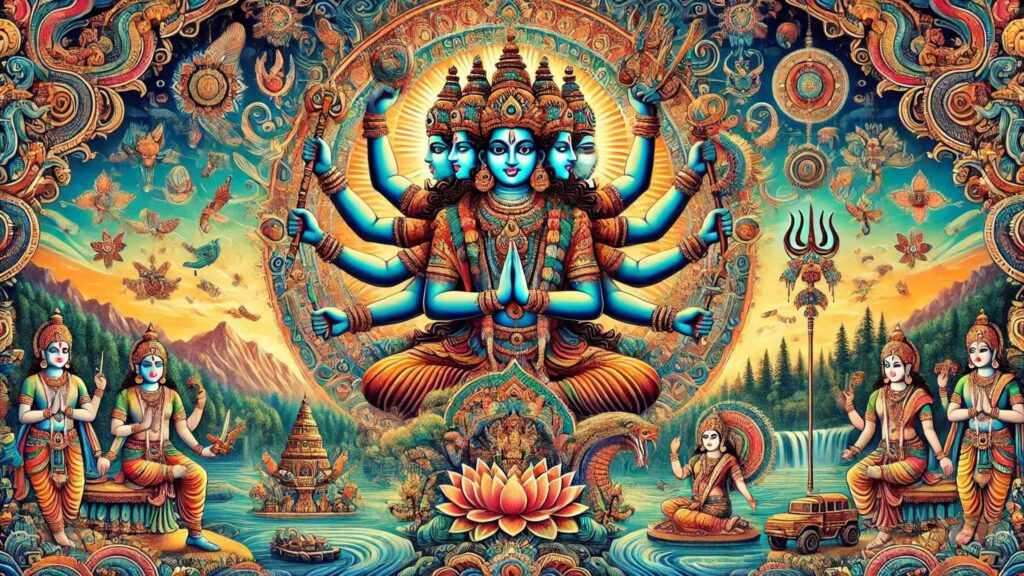
Bhairava is typically depicted with a fearsome countenance, adorned with a garland of skulls, symbolizing the impermanence of life. He holds a trident, drum, and a noose, signifying his control over time, sound, and karmic bonds. His mount is a dog, symbolizing loyalty and vigilance.
The Symbolism
- Skulls: Represent the shedding of ego and material attachments.
- Trident (Trishula): Denotes control over the three realms of existence—physical, mental, and spiritual.
- Dog: Serves as a reminder of faith and fearlessness.
The Flower Connection
Marigolds and red hibiscus are commonly offered to Bhairava, symbolizing devotion, purity, and the fiery energy of transformation.
Colors and Symbols Associated
- Colors: Black and red, representing destruction and protection.
- Symbols: The crescent moon, fire, and the mantra “Om Hreem Bhairavaya Namaha.”
Mythology and Stories

Birth Story of Bhairava
According to Shiva Purana, Bhairava was born from Shiva’s third eye during his confrontation with Brahma. In anger at Brahma’s arrogance, Bhairava severed one of Brahma’s heads, teaching the lesson of humility and reverence.
Connection with Other Gods and Goddesses
Bhairava is often paired with his consort, Bhairavi, a fierce form of Goddess Parvati. Together, they represent the dynamic balance of creation and destruction. Bhairava is also connected with the eight Matrikas (divine mothers) and is revered as their guardian.
Role in Ramayana and Mahabharata
Although Bhairava does not have a direct role in these epics, his energy is invoked in protective rituals and battlefield prayers, symbolizing courage and victory.
Famous Blessings and Boons
Bhairava blesses his devotees with fearlessness, spiritual enlightenment, protection from negative energies, and material prosperity.
Spiritual Significance
A Visible Form of God
Bhairava serves as a powerful reminder of Shiva’s omnipresence and the divine role in maintaining cosmic order.
Representation of Knowledge and Enlightenment
He embodies the ultimate truth that liberation comes through detachment, discipline, and self-realization.
Connection to Spiritual Awakening
Bhairava’s energy is integral to practices aimed at awakening the Kundalini and transcending mortal fears.
Role in Yoga and Meditation Practices
Bhairava is often invoked in Tantric meditations for grounding, focus, and overcoming inner obstacles.
The Mantra Connection
Chanting Bhairava’s mantras, such as “Om Hreem Bhairavaya Namaha”, helps dispel fear and negativity.
Worship and Rituals
Benefits of Worship
Devotees seek protection, fearlessness, spiritual clarity, and removal of obstacles through Bhairava’s worship.
Daily Worship Practices
- Lighting a lamp and offering marigolds or hibiscus flowers.
- Reciting the Bhairava Ashtakam.
Best Times for Worship
Tuesdays and Saturdays, particularly during Rahu Kaal, are considered auspicious.
Important Festivals
- Kala Bhairava Jayanti: Celebrates Bhairava’s birth.
- Shivaratri: Bhairava is revered alongside Lord Shiva.
List of Famous Temples
- Kala Bhairava Temple, Varanasi
- Bhairavnath Temple, Uttarakhand
- Bhairavakona Temple, Andhra Pradesh
Modern Relevance
Scientific Understanding of Bhairava
The worship of Bhairava aligns with mindfulness practices that reduce anxiety and increase mental focus.
Environmental Consciousness
Bhairava’s role as a protector underscores the need for sustainable living and respect for nature.
Health Benefits
Chanting Bhairava mantras is known to reduce stress and improve mental clarity.
Energy Connection
Bhairava’s energy is associated with activating the root chakra, grounding practitioners in stability and strength.
Sustainable Living Practices
Bhairava teaches the importance of shedding excess and living a life rooted in purpose.
Cultural Impact
Influence on Indian Art and Architecture
Bhairava’s fierce forms inspire intricate carvings in temples across India, particularly in Tamil Nadu and Karnataka.
Presence in Literature and Poetry
Medieval texts and poetry extol Bhairava as the ultimate protector and spiritual guide.
Impact on Daily Customs
Devotees light lamps at Bhairava shrines for protection and prosperity.
Regional Variations in Worship
In southern India, Bhairava is worshiped as a guardian deity, while in Nepal, he is a central figure in tantric practices.
Practical Applications
Morning Prayers and Rituals
Starting the day with Bhairava mantras can dispel fear and instill courage.
Benefits of Salutation
Bowing to Bhairava fosters humility and detachment.
Dietary Recommendations
Devotees often consume sattvic food during Bhairava worship to maintain spiritual purity.
Astrological Significance
Bhairava is invoked to mitigate Rahu and Ketu’s negative influences.
Gemstones and Metals Associated
- Gemstones: Black onyx, garnet.
- Metals: Iron, representing strength and resilience.
Conclusion
Bhairava is a powerful symbol of destruction and renewal, reminding humanity of life’s transient nature. His fierce yet protective energy inspires courage, discipline, and spiritual growth. Bhairava’s teachings resonate universally, emphasizing detachment, enlightenment, and the eternal nature of time.