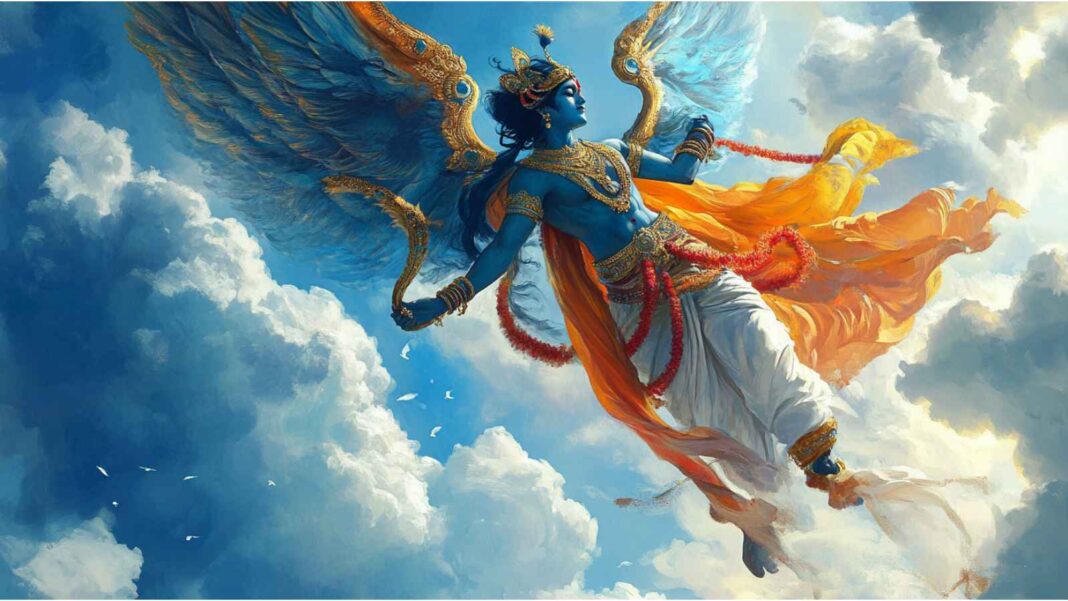
Fire (Agni/Tejas): The Sacred Element of Transformation in Hinduism
Fire has always been a symbol of both destruction and rebirth—a transformative force that consumes the old and ushers in new beginnings. In Hinduism, Fire, known as Agni (or Tejas when referring to radiant energy), is revered as one of the Pancha Bhuta—the five fundamental elements that constitute the universe. Agni represents not only the physical flame but also the inner fire of consciousness that burns away ignorance and illuminates the path to spiritual awakening.
Read More About Ritual & Practices
From the earliest Vedic hymns to elaborate temple rituals, fire occupies a central role in Hindu spirituality. It is seen as the divine messenger that carries prayers to the heavens, purifies the environment, and symbolizes the eternal cycle of creation, preservation, and dissolution. In sacred rituals, the burning flame is both a literal and metaphorical source of transformation—a reminder that out of destruction emerges renewal, and from chaos arises order.
This comprehensive article delves deep into the spiritual, philosophical, and ritual significance of Fire (Agni/Tejas) in Hinduism. We explore its foundational scriptural references, its symbolic representation in religious art, and its embodiment in temple architecture. Additionally, we profile two iconic temples where Agni is venerated: Agni Kund Temple in Ujjain, Madhya Pradesh, and Agni Mandir in Pushkar, Rajasthan. Each temple narrative includes detailed information on its location, historical background, architectural highlights, and visitor experience.
Join us as we journey into the heart of Hindu sacred fire—a divine energy that purifies, transforms, and illuminates the human spirit.
Foundational Scriptures: The Eternal Flame of Knowledge
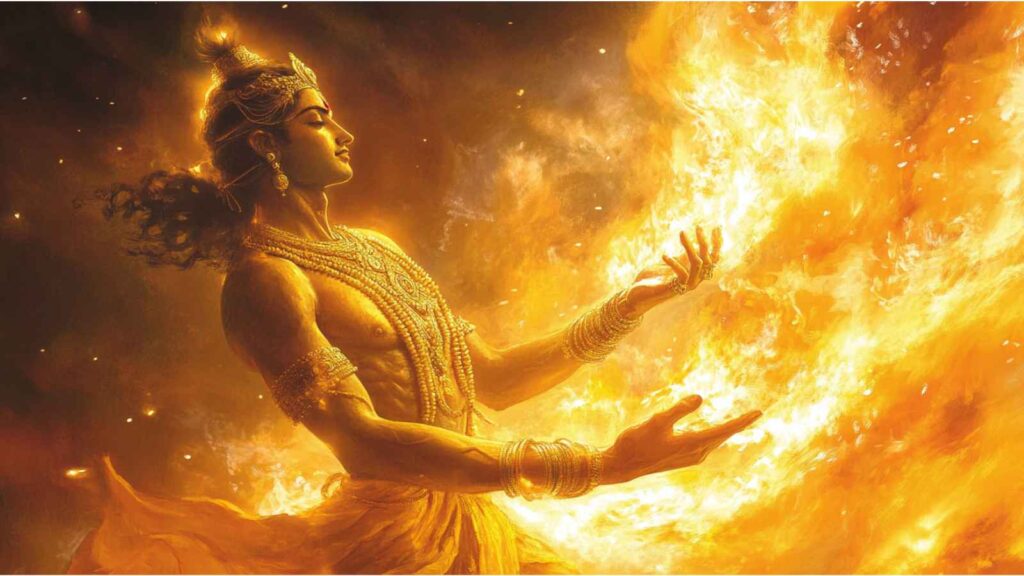
The reverence for Fire in Hinduism is enshrined in ancient scriptures that provide both spiritual guidance and practical instructions for ritual practice. These texts reveal the multifaceted nature of Agni, highlighting its role as a purifier, a messenger, and a symbol of divine radiance.
Vedic Hymns: The Earliest Celebrations of Agni
- Rig Veda & Atharva Veda:
In the Rig Veda, Agni is among the most frequently invoked deities. Hymns extol his virtues as the purifier and the mediator between the mortal and the divine. Agni is depicted as the fiery essence that kindles life and sustains the cosmic order. The Atharva Veda further elaborates on the healing and transformative properties of fire, emphasizing its role in rituals that cleanse both body and soul.
Upanishads: Fire as the Inner Light
- Chandogya Upanishad:
This Upanishad uses the imagery of light and flame to describe the process of self-realization. Fire, as a symbol of inner light, represents the awakening of the consciousness from the darkness of ignorance to the brilliance of knowledge. It teaches that by meditating on the inner flame, one can transcend the limitations of the material world. - Bṛhadāraṇyaka Upanishad:
Here, Agni is metaphorically linked to the transformative power of knowledge. Just as fire refines metal by burning away impurities, the inner fire of wisdom purifies the soul and paves the way for spiritual liberation.
Puranic Narratives and Epic Literature
- Shiva Purana & Bhagavata Purana:
In these texts, Agni is portrayed not only as a physical phenomenon but also as a divine force that embodies the cosmic cycle of creation and destruction. The stories recount how fire was born from the cosmic egg and how it continually transforms the universe. Agni is also closely associated with the sacred yajnas (fire sacrifices), which are performed to maintain cosmic balance and invoke divine blessings. - Mahabharata:
The Mahabharata includes numerous references to fire in its descriptions of battles, rituals, and divine interventions. The epic highlights the dual nature of fire as both a destroyer and a life-giving force, reinforcing its role in the perpetual cycles of the cosmos.
Ritual Manuals and Tantric Texts
- Agni Purana & Tantra Shastra:
These ritual manuals provide detailed guidelines for the worship of Agni. They describe the proper methods for kindling the sacred fire, the mantras to be recited during yajnas, and the various offerings that must be made to appease the deity. In tantric practices, the inner fire (Tejas) is cultivated through meditation and pranayama (breath control), symbolizing the awakening of the kundalini energy and the attainment of higher states of consciousness.
Together, these scriptures establish Fire as a central element in Hindu spirituality—an eternal flame that purifies, transforms, and illuminates the path to divine wisdom.
The Symbolism and Iconography of Fire

Fire, with its radiant energy and dynamic presence, is a multifaceted symbol that encapsulates the essence of transformation. Its symbolism in Hinduism extends far beyond the physical flame, representing both the destructive power that clears away impurities and the creative energy that gives birth to new life.
Purification and Transformation
- Cleansing the Material and Spiritual:
The ritual use of fire in yajnas (sacrificial ceremonies) is intended to purify the environment, the offerings, and the devotee’s soul. Just as fire burns away the old to make way for the new, the spiritual fire within transforms ignorance into knowledge. - Symbol of Renewal:
Fire’s cyclical nature—its ability to consume and then to regenerate—is a powerful metaphor for the processes of birth, growth, decay, and rebirth. It reminds us that every ending is also a beginning.
Divine Messenger and Cosmic Force
- The Sacred Medium of Communication:
In Vedic rituals, the rising smoke from the sacred fire is believed to carry prayers to the heavens, serving as a bridge between the human and the divine. This process underscores the role of fire as a divine messenger. - The Embodiment of Tejas:
In a broader spiritual context, Tejas refers to the radiant energy that emanates from within. It is the inner light of the soul, the energy of consciousness that fuels spiritual awakening and transformation.
Artistic Depictions and Ritual Symbols
- In Temple Art and Iconography:
Fire is a recurring motif in Hindu art, often depicted in elaborate murals, sculptures, and carvings. Temples incorporate symbols of flame to evoke the presence of Agni in both physical and metaphysical realms. - As a Ritual Object:
The sacred fire is central to many Hindu ceremonies. The lit flame, whether in a simple diya (lamp) or a grand yajna, serves as a tangible representation of divine presence and the power of transformation.
Iconic Temples Celebrating Fire (Agni/Tejas)
Across India, numerous temples honor the sacred element of fire, integrating its symbolism into their rituals, architecture, and cultural heritage. Below, we explore two temples where Agni is venerated, highlighting their historical background, architectural splendor, and the immersive experiences they offer to devotees.
Temple 1: Agni Kund Temple, Ujjain, Madhya Pradesh
Name & Exact Location
- Temple Name: Agni Kund Temple
- Location: Ujjain, Madhya Pradesh, India
Historical Background
Ujjain, one of the ancient centers of Vedic knowledge and astrology, has long been associated with the worship of Agni. Agni Kund Temple is dedicated to the sacred fire and is an important site for performing yajnas and other fire rituals. According to legend, this temple was established by ancient sages who recognized the purifying and transformative power of fire. Over the centuries, Agni Kund has been revered not only as a site for ritual offerings but also as a symbol of the divine spark that sustains life.
Historical records suggest that Agni Kund Temple has been a focal point of religious activity since the early Vedic period, with successive dynasties contributing to its development and preservation. The temple remains a vibrant center for spiritual practice and is particularly popular during major religious festivals when fire rituals take on heightened significance.
Architectural Highlights
- Traditional Vedic Design:
The temple’s architecture reflects the simplicity and functionality of ancient Vedic construction. Built primarily of locally sourced stone, its design is centered around a sacred fire pit (kund) that serves as the temple’s heart. - Symbolic Layout:
The layout of Agni Kund Temple is designed to facilitate fire rituals. The central sanctum houses the eternal flame, while surrounding mandapas (halls) are used for the performance of yajnas and communal prayers. - Intricate Carvings and Inscriptions:
Stone carvings depicting scenes from Vedic rituals and mythological narratives adorn the temple walls. Inscriptions in ancient Sanskrit detail the rituals associated with fire worship and underscore the temple’s historical significance. - Integration with Natural Elements:
Situated in Ujjain—a city renowned for its ancient wisdom—the temple is harmoniously integrated with its natural surroundings. The design ensures that the sacred flame is continuously nourished by natural light and ventilation, symbolizing the eternal cycle of renewal.
Visitor Experience
- Ritual Participation:
Devotees visiting Agni Kund Temple have the opportunity to witness and participate in traditional fire rituals. The chanting of Vedic hymns and the sight of the eternal flame inspire awe and spiritual rejuvenation. - Cultural Immersion:
The temple’s rich history is brought to life through guided tours and cultural programs that explain the significance of Agni in Vedic traditions. Visitors gain insights into the ancient practices that continue to influence modern Hindu rituals. - Spiritual Rejuvenation:
The purifying energy of the sacred flame offers a transformative experience for pilgrims. Many report a deep sense of renewal and clarity after participating in the rituals, finding that the elemental power of fire cleanses both the body and the spirit. - Festive Celebrations:
During major festivals such as Diwali and Agni Jayanti, the temple becomes a hub of communal activity, with elaborate fire rituals, processions, and cultural performances that celebrate the divine power of Agni.
Temple 2: Agni Mandir, Pushkar, Rajasthan
Name & Exact Location
- Temple Name: Agni Mandir
- Location: Pushkar, Rajasthan, India
Historical Background
Located in the ancient town of Pushkar, Agni Mandir is dedicated to the sacred element of fire. Pushkar is renowned for its deep-rooted Vedic traditions and is home to one of the most significant annual fairs in India—the Pushkar Fair. Agni Mandir was established by early devotees who sought to harness the transformative power of fire through ritual and meditation. The temple’s history is intertwined with the vibrant cultural and spiritual traditions of Rajasthan, where the elements are celebrated in both art and ritual.
Over the centuries, Agni Mandir has undergone several renovations, each adding layers of historical and cultural significance. It remains a vital site for performing yajnas and fire ceremonies, which are believed to purify the soul and invite divine blessings.
Architectural Highlights
- Rajasthani Architectural Style:
Agni Mandir showcases traditional Rajasthani architecture, characterized by ornate carvings, intricate frescoes, and the extensive use of sandstone. The temple’s design is both majestic and functional, reflecting the enduring legacy of ancient Vedic rituals. - Central Fire Altar:
At the core of the temple lies a sacred fire altar, around which devotees gather to perform rituals. The altar is meticulously maintained to ensure that the sacred flame burns continuously—a symbol of eternal divine energy. - Elaborate Mandapas:
The temple complex features large, open halls (mandapas) that serve as venues for communal prayers, cultural performances, and spiritual discourses. These spaces are designed to facilitate the collective experience of the sacred element of fire. - Symbolic Ornamentation:
Decorative motifs inspired by Vedic scriptures—such as depictions of flames, cosmic patterns, and ritual implements—adorn the temple’s walls and pillars. These ornamental details underscore the centrality of Agni in Hindu worship.
Visitor Experience
- Immersive Rituals:
Visitors to Agni Mandir are often captivated by the vibrant fire ceremonies. The rhythmic chants, the glow of the eternal flame, and the collective energy of devotees create an immersive spiritual experience. - Cultural Festivities:
During festivals like Diwali and the annual Pushkar Fair, the temple becomes a focal point for celebrations. Elaborate processions, music, dance, and fire rituals transform the temple into a lively center of cultural expression. - Heritage Walks and Guided Tours:
Knowledgeable guides offer detailed tours of the temple, explaining its historical evolution, architectural intricacies, and the symbolic significance of fire in Vedic traditions. These tours provide an enriched understanding of the temple’s spiritual legacy. - Moments of Reflection:
The serene environment of the temple, enhanced by the flickering light of the sacred flame and the intricate architectural details, offers visitors ample opportunities for meditation and introspection, fostering a deep sense of inner peace and renewal.
The Cultural and Spiritual Legacy of Fire (Agni/Tejas)
Fire, as the embodiment of Agni or Tejas, is the dynamic force that drives the cycles of creation and destruction. It purifies, energizes, and transforms—both in the physical world and within the soul. In Hindu philosophy, fire is revered not only for its practical utility but also as a profound metaphor for the inner journey toward enlightenment.
Spiritual Dimensions
- Purification and Renewal:
The transformative power of fire is celebrated in rituals that cleanse impurities and renew spiritual energy. Just as fire burns away the old to make way for the new, the inner fire (Tejas) ignites the spark of divine consciousness within each individual. - Divine Messenger:
The sound of the sacred fire is believed to carry prayers to the heavens, symbolizing the connection between the mortal and the divine. It is a reminder that the divine is always present, ready to guide and protect those who seek it. - Source of Inspiration:
Fire is a source of both physical warmth and spiritual illumination. It inspires creativity, courage, and the resolve to overcome obstacles—qualities essential for personal growth and transformation.
Cultural Expressions
- Rituals and Ceremonies:
From the daily lighting of a diya (lamp) to grand yajnas (fire sacrifices), fire plays an integral role in Hindu rituals. These ceremonies invoke Agni to purify the environment and usher in blessings, ensuring that every act of worship is imbued with divine energy. - Art and Iconography:
The motif of fire is a recurring element in Hindu art. It appears in temple carvings, murals, and sculptures, symbolizing the ever-burning divine presence that sustains life and fuels spiritual evolution. - Symbol of Transformation:
The eternal flame is a metaphor for the human journey—an ongoing process of shedding old identities and emerging renewed. This symbolism is particularly resonant in practices of meditation and self-reflection.