
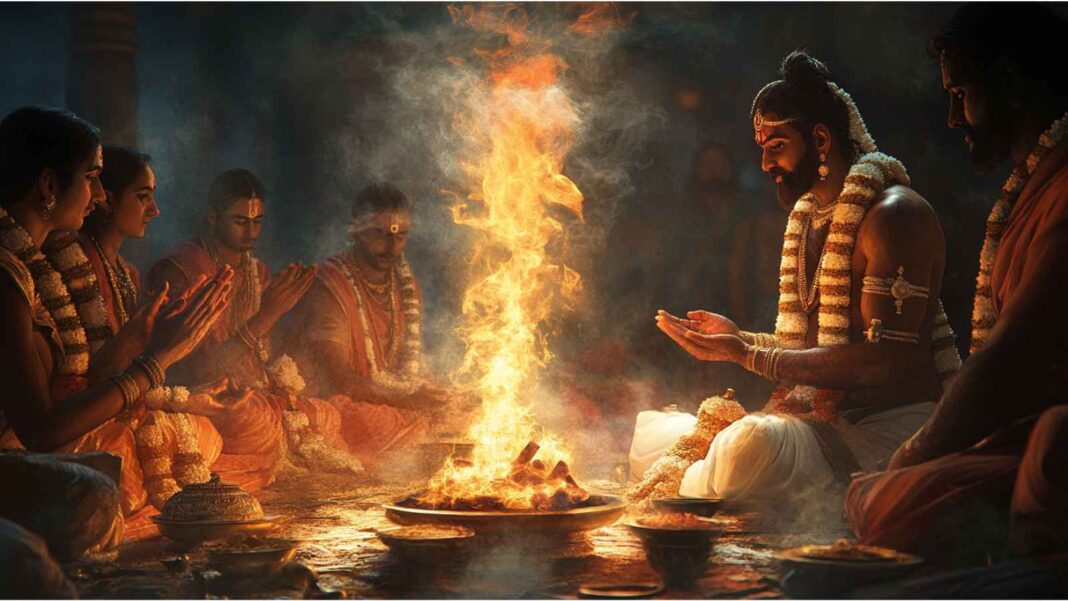

Homa/Havan/Yajna: The Sacred Fire Rituals in Hinduism
Hinduism’s vast tapestry of sacred practices is woven with rituals that purify, transform, and elevate the human spirit. Among these, Homa, Havan, or Yajna—the sacred fire rituals—stand out as profound expressions of devotion and spiritual communication. Rooted in the Vedic tradition, these fire rituals are described extensively in ancient scriptures and remain an integral part of both domestic and temple worship. They serve as a medium to invoke the divine, cleanse the environment, and transform mundane offerings into a sacred exchange between humanity and the cosmos.
Read More About Ritual & Practices
In this comprehensive guide, we explore the origins and philosophy behind Homa rituals, detail the intricate steps involved in their performance, and highlight how these sacred practices are embodied in some of India’s most revered temples. We also provide practical AI image prompt ideas, complete with references and citations, to help create engaging visuals that complement this timeless tradition.
1. The Spiritual and Philosophical Foundations of Fire Rituals

Foundational Scriptures and Their Guidance
The practice of Homa or Yajna is deeply embedded in Hindu tradition and is extensively discussed in foundational Vedic scriptures:
- Vedas and Brahmanas:
The Rigveda and Yajurveda provide the earliest accounts of fire rituals. The Yajurveda, for example, details the precise recitations, mantras, and offerings (such as ghee, grains, and herbs) required for a successful yajna. The Shatapatha Brahmana further elucidates the symbolic meanings of fire as a purifier and a medium through which the gods are invoked. - Upanishads:
The Upanishads reveal that fire is not merely a physical element but a representation of divine energy and consciousness. It symbolizes the spark of life that bridges the material and spiritual realms, guiding the devotee toward self-realization. - Agamas and Puranas:
Later texts, such as the Agamic scriptures and Puranas, expand on the rituals of Homa. They provide guidelines for temple ceremonies and describe the cosmological significance of fire as the agent of transformation, destruction of impurities, and the channel for divine blessings.
These texts collectively assert that Homa is not just a ritual act—it is a form of sacred dialogue where offerings made into the fire carry the devotee’s prayers to the deities. As noted by scholars like Michael D. Willis, the transformative power of fire in these rituals lies in its ability to purify both the environment and the soul, thus acting as a catalyst for spiritual evolution.
The Symbolism of Fire in Hindu Rituals
Fire is universally recognized as a powerful symbol in Hinduism. Its qualities encompass:
- Purification:
Fire burns away impurities, both physical and spiritual. In Homa, the ritual offerings are transformed into a purifying essence that cleanses the mind and body. - Transformation:
The process of combustion in a yajna represents the transformation of mundane elements into a divine substance—a metaphor for the inner transformation of the devotee. - Communication with the Divine:
Fire is seen as the messenger between the earthly realm and the heavens. The rising smoke is believed to carry prayers to the gods, ensuring that the devotee’s petitions reach the divine. - Continuity and Renewal:
Fire’s eternal nature, its ability to continually consume and renew, symbolizes the cyclical nature of creation, preservation, and dissolution—a core tenet of Hindu cosmology.
Thus, Homa is both a practical ritual and a profound metaphor, inviting devotees to engage in a transformative act that transcends the physical act of offering and touches the very essence of being.
2. The Ritual Process of Homa: Steps and Symbolism

Homa rituals are highly structured and involve a series of precise steps designed to invoke and sustain the sacred fire. Although regional variations exist, the following is a common outline of the ritual process:
Preparation
- Purification:
The ritual begins with the purification of the space. Devotees cleanse the area with water, often accompanied by the burning of incense or the lighting of dhoop (fragrant sticks). This act symbolizes the removal of impurities and prepares the atmosphere for sacred proceedings. - Setting Up the Homa Kund (Fire Pit):
A specially constructed fire pit, known as the homa kund, is prepared. It is typically made of clay or brick and arranged in a square or circular shape. The Kund is filled with dried wood, cow dung cakes, and other natural fuels.
The Ritual Steps
- Avahana (Invocation):
The ritual commences with the invocation of the deities. Mantras are recited to invite the divine presence into the homa kund, ensuring that the sacred fire is consecrated. - Lighting the Sacred Fire:
Using a traditional lamp and dried wood, the priest lights the sacred fire, which symbolizes Agni, the divine fire. This fire is regarded as a living deity that embodies both the physical and metaphysical aspects of fire. - Offering Oblations (Ahuti):
Devotees make offerings into the fire. These offerings typically include ghee (clarified butter), grains, herbs, and sometimes incense. Each offering is accompanied by the recitation of specific mantras that detail the benefits and intentions behind the act. - Chanting of Mantras and Vedic Hymns:
As the offerings are made, priests chant Vedic hymns and mantras from scriptures such as the Yajurveda and the Shatapatha Brahmana. These recitations are believed to sanctify the offerings and create a divine resonance that permeates the atmosphere. - Sankalpa (Resolution):
The devotee or priest may make a formal resolution (sankalpa) during the ritual, outlining personal intentions, prayers for the well-being of the family, or aspirations for spiritual progress. - Abhisheka (Ritual Bathing):
In some homa ceremonies, the sacred fire is symbolically “baptized” by offering water mixed with sacred substances like turmeric and sandalwood. This further purifies the fire and imbues it with divine energy. - Aarti (Waving of the Lamp):
The ritual concludes with the aarti, where a lighted lamp is waved in front of the fire. This act of reverence signifies gratitude and the final bid for divine blessings.
The Symbolism Behind Each Step
- Fire as the Medium:
The central role of fire in the ritual is its ability to transform material offerings into spiritual merit. As the offerings are consumed by the fire, they are transmuted into divine energy, symbolizing the surrender of the ego and the realization of higher truths. - The Role of Mantras:
The recitation of Vedic hymns and mantras is not only an act of devotion but also a means of focusing the mind. These sacred sounds help the devotee achieve a meditative state, enabling them to connect with the universal consciousness represented by the fire. - Offering and Transformation:
Each material offering—ghee, grains, herbs—is symbolic of the devotee’s worldly attachments. Their sacrifice in the sacred fire represents the transformation of these attachments into spiritual nourishment. - Ritual Purification:
The preparatory acts of cleaning and purification reflect the underlying Hindu belief that both the external environment and the internal self must be cleansed in order to receive divine blessings.
3. Homa in Temple Worship: Celebrating Fire as Divine
While homa rituals are commonly performed in domestic settings, they also form an essential part of temple worship. Many of India’s most revered temples incorporate daily homa or special fire ceremonies into their regular worship routines. Below, we examine four iconic temples known for their fire rituals, detailing their historical background, architectural highlights, and the unique visitor experiences they offer.
3.1 Annamalaiyar Temple, Thiruvannamalai
(Location: Thiruvannamalai, Tamil Nadu, India)
Historical Background
The Annamalaiyar Temple is one of the most ancient and sacred temples dedicated to Lord Shiva. It is renowned for its association with the element of fire and is the focal point of the annual Karthigai Deepam festival. According to legend, the divine fire on the top of Arunachala hill, adjacent to the temple, symbolizes Shiva’s eternal light. Over the centuries, the temple has been revered by mystics and sages, and its rituals have been meticulously recorded in Vedic scriptures and Agamic texts.
Architectural Highlights
- Dravidian Splendor:
The temple complex is a brilliant example of Dravidian architecture, featuring towering gopurams, intricately carved mandapas, and expansive courtyards. - Sacred Hill Integration:
Arunachala hill, which is considered a manifestation of Lord Shiva himself, forms an integral part of the temple’s sacred geography. The hill’s natural formation and the temple’s orientation are aligned with cosmic principles. - Homa Platforms:
Special platforms within the temple complex are dedicated to performing homa rituals. These spaces are designed to harness the natural energy of the site and are adorned with detailed carvings depicting Vedic fire rituals.
Visitor Experience
Pilgrims visiting the Annamalaiyar Temple are immersed in a vibrant spiritual atmosphere. The daily homa rituals, especially during the Karthigai Deepam festival, create a mesmerizing display of sacred fire and divine energy. Visitors witness priests conducting elaborate fire ceremonies accompanied by Vedic chants and traditional instruments, evoking a deep sense of awe and spiritual renewal. The temple’s majestic architecture and the serene surroundings of Arunachala hill further enhance the devotional experience.
AI Image Prompt for Annamalaiyar Temple
- Prompt: “Create a digital illustration of Annamalaiyar Temple at dusk with the sacred fire ritual being performed on a platform. Emphasize the towering gopurams, the backdrop of Arunachala hill, and the warm glow of the homa fire, with priests in traditional attire and devotees in reverence.”
- Credit: Inspired by traditional South Indian temple art and modern digital painting techniques.
3.2 Mahakaleshwar Temple, Ujjain
(Location: Ujjain, Madhya Pradesh, India)
Historical Background
The Mahakaleshwar Temple in Ujjain is one of the twelve Jyotirlingas and is among the most sacred shrines dedicated to Lord Shiva. The temple is famed for its unique Bhasma Aarti, a ritual that involves offering sacred ash from the cremation grounds to the Shiva Lingam. The origins of the temple trace back to ancient times, with references found in Vedic literature and Puranic texts. Over millennia, the temple has evolved through various dynasties and has been a center of Vedic rituals, including elaborate homa ceremonies.
Architectural Highlights
- Ancient Nagara Style:
The temple is built in the classic Nagara architectural style, characterized by its intricate carvings, delicate sculptures, and a majestic spire (shikhara) that rises above the sanctum. - Sacred Fire Ritual Spaces:
The temple complex includes designated areas for homa rituals. These spaces are often located near the sanctum, where the sacred fire is lit during special festivals and daily worship. - Symbolic Ornamentation:
Elaborate reliefs and carvings on the temple walls depict mythological narratives and Vedic fire rituals, reinforcing the temple’s role as a center for yajna and homa.
Visitor Experience
Visitors to Mahakaleshwar Temple are enveloped in an aura of ancient spirituality. The temple’s unique Bhasma Aarti and periodic homa ceremonies create an immersive ritualistic experience that is both visually and spiritually stimulating. Pilgrims often report a transformative sense of purification and renewal after witnessing or participating in these rituals. The bustling market streets around Ujjain and the temple’s historical ambiance further add to the overall experience.
AI Image Prompt for Mahakaleshwar Temple
- Prompt: “Illustrate Mahakaleshwar Temple in Ujjain during a homa ritual at twilight. Show the ancient Nagara-style architecture, the glowing homa fire near the sanctum, and priests performing the ritual with sacred ash. Capture the spiritual intensity and historical richness of the temple.”
- Credit: Inspired by classical Indian temple art and realistic digital illustration techniques.
3.3 Jagannath Temple, Puri
(Location: Puri, Odisha, India)
Historical Background
The Jagannath Temple in Puri is one of the most significant Vaishnavite shrines in India, dedicated to Lord Jagannath—a form of Vishnu. Although primarily known for its Rath Yatra (chariot festival), the temple is also a hub for various Vedic rituals, including homa ceremonies performed during special occasions. The temple’s history spans several centuries, with its origins rooted in ancient texts and its development shaped by the patronage of powerful dynasties.
Architectural Highlights
- Kalinga Architecture:
The temple is a splendid example of Kalinga architecture, noted for its towering deuls (temple towers), expansive jagamohana (assembly halls), and intricate carvings that depict mythological and Vedic scenes. - Ritual Platforms:
Within the temple complex, designated platforms and courtyards serve as venues for homa rituals. These spaces are designed to facilitate the performance of fire ceremonies, which are integral to the temple’s daily worship. - Artistic Detailing:
The temple’s walls and pillars are adorned with exquisite sculptures and reliefs that narrate the stories of the gods and the significance of fire rituals in Hindu cosmology.
Visitor Experience
A visit to Jagannath Temple is an encounter with vibrant devotional fervor. Devotees and tourists are treated to a rich tapestry of rituals, including the mesmerizing homa ceremonies conducted during festival periods. The rhythmic chants, the mesmerizing glow of the sacred fire, and the festive processions create an atmosphere that is both joyous and deeply spiritual. Guided tours and cultural performances provide further insights into the temple’s historical and ritual significance.
AI Image Prompt for Jagannath Temple
- Prompt: “Design a digital artwork of Jagannath Temple in Puri during a festival homa ceremony. Showcase the temple’s Kalinga architecture, intricate carvings, and a vibrant courtyard where a sacred fire is lit. Include festive elements like processions and devotees immersed in worship.”
- Credit: Based on traditional Odia art styles combined with modern digital illustration techniques.
3.4 Kashi Vishwanath Temple, Varanasi
(Location: Varanasi, Uttar Pradesh, India)
Historical Background
The Kashi Vishwanath Temple is one of the holiest shrines dedicated to Lord Shiva in Hinduism. Located in the ancient city of Varanasi, it has been a site of intense spiritual activity since time immemorial. The temple has been mentioned in ancient scriptures and has undergone numerous reconstructions due to its repeated destruction and revival over the centuries. Fire rituals here—both in the temple and on the banks of the sacred Ganges—are a testament to the enduring power of Vedic traditions.
Architectural Highlights
- Nagara Style Architecture:
The temple showcases classic Nagara architecture with its soaring spire (shikhara) and intricate stone carvings. Its design facilitates circumambulation (pradakshina) and the seamless integration of various ritual spaces. - Homa Platforms:
Specific areas within the temple complex are dedicated to the performance of homa rituals. These platforms are strategically placed near the sanctum, where the sacred fire is kindled during special pujas and festival celebrations. - Sacred Ambience:
The temple’s location on the banks of the Ganges, combined with its ancient architectural elements, creates a powerful spiritual environment that amplifies the effects of fire rituals and yajnas.
Visitor Experience
Visiting Kashi Vishwanath Temple is a deeply transformative experience. The continuous cycle of puja, the sight of priests performing elaborate fire rituals, and the sound of devotional hymns resonate with the spiritual energy of Varanasi. Devotees often partake in homa and other yajna ceremonies to purify their souls, and the vibrant atmosphere, marked by the interplay of light from the sacred fire and the Ganges, leaves a lasting impression on visitors.
AI Image Prompt for Kashi Vishwanath Temple
- Prompt: “Generate a digital painting of Kashi Vishwanath Temple at dawn with a focus on a homa ritual being performed in the temple courtyard. Emphasize the ancient Nagara architecture, the sacred fire’s warm glow, and devotees engaged in fervent worship, with the Ganges flowing serenely in the background.”
- Credit: Inspired by traditional North Indian temple art and enhanced with modern digital techniques to capture the serene and sacred atmosphere.
4. The Role of Homa in Modern Worship and Environmental Considerations
Contemporary Adaptations
While the core principles of Homa remain unchanged, modern adaptations have introduced eco-friendly practices and innovative methods to sustain these ancient rituals. For instance:
- Eco-friendly Fuels and Utensils:
Many temples now use sustainably sourced wood, cow dung cakes, and natural fuels to light the sacred fire. Additionally, the use of biodegradable materials and lead-free paints for ritual items is encouraged to minimize environmental impact. - Integration with Modern Technology:
Some temples use digital displays to showcase the significance of fire rituals and to guide devotees through the homa process, making these ancient practices more accessible to the younger generation.
Environmental Impact
Traditional homa rituals rely on natural materials that are biodegradable. However, concerns have been raised regarding the use of synthetic paints and non-biodegradable substances in some modern homa practices. To address these concerns:
- Government Initiatives:
Several Indian states have initiated programs to promote the use of eco-friendly materials in religious rituals. - Artisan Support Programs:
Collaborations with local artisans to provide sustainable, traditional materials help preserve the authenticity of the ritual while protecting the environment.
These efforts ensure that the sacred fire rituals continue to be a force for both spiritual renewal and environmental sustainability.


