Top 10 Must-Visit Hindu Temples in Assam
Introduction
Assam, nestled in the northeast of India, is a land of cultural richness, lush greenery, and spiritual depth. Known for its tea plantations and wildlife sanctuaries, Assam is also home to several Hindu temples of immense historical and religious significance. These temples not only serve as places of worship but also as centers of Assamese culture and heritage. From ancient shrines steeped in mythology to architectural marvels, Assam’s temples are a testament to the state’s spiritual legacy. In this blog, we’ll explore the Top 10 Must-Visit Hindu Temples in Assam, offering a deep dive into their history, architecture, and visitor experience.
Read More About Hindu Temple
1. Kamakhya Temple, Guwahati

Location
Situated atop the Nilachal Hill in Guwahati.
Historical Background
One of the 51 Shakti Peethas, Kamakhya Temple is dedicated to Goddess Kamakhya, a form of Shakti. It dates back to the 8th century and is associated with the worship of feminine energy.
Architectural Highlights
The temple showcases a blend of Nagara and medieval Assamese architectural styles, featuring intricately carved panels and a dome-shaped shikhara.
Visitor Experience
The annual Ambubachi Mela draws millions of devotees, celebrating the goddess’s fertility. The serene views of the Brahmaputra River from the temple complex enhance the experience.
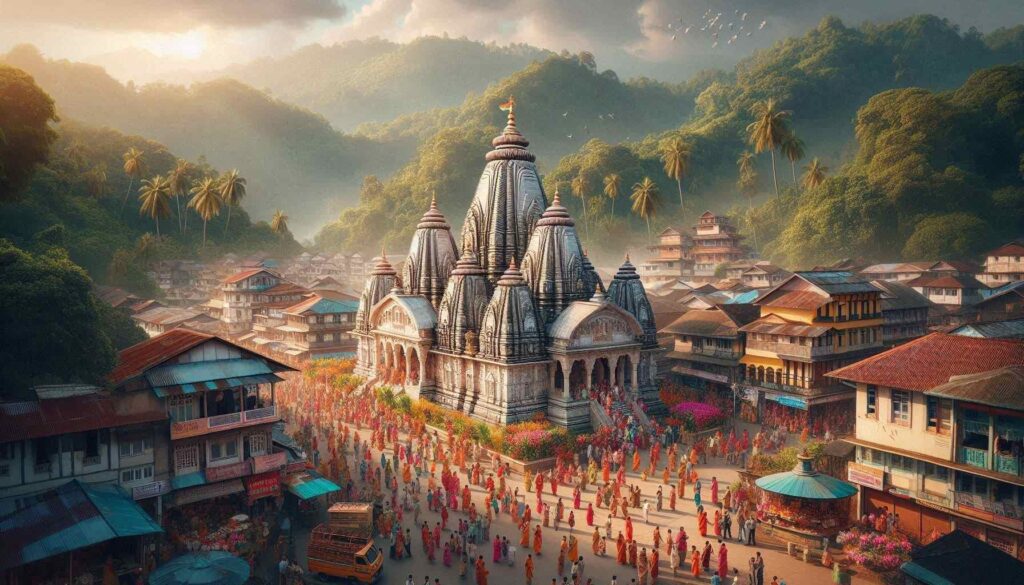
2. Umananda Temple, Peacock Island
Location
Located on Peacock Island in the Brahmaputra River, Guwahati.
Historical Background
Dedicated to Lord Shiva, this temple was built by Ahom King Gadadhar Singha in the 17th century. It is believed to be the site where Shiva meditated as Bhayananda.
Architectural Highlights
The temple is adorned with exquisite rock carvings and showcases a combination of Hindu and indigenous Assamese styles.
Visitor Experience
Visitors enjoy a scenic ferry ride to the island, which offers breathtaking views of the Brahmaputra. The tranquil environment adds to the temple’s charm.
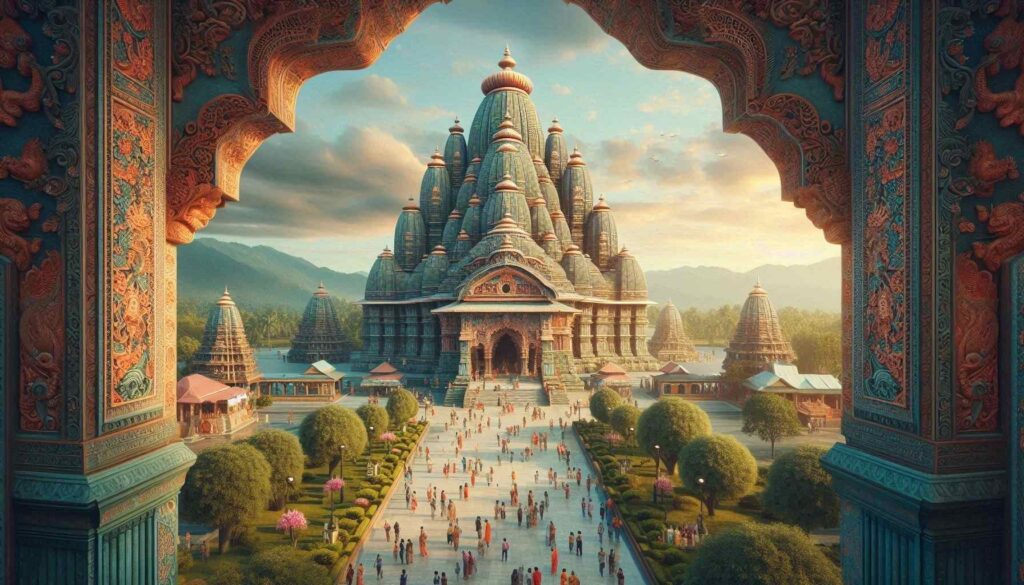
3. Nabagraha Temple, Guwahati
Location
Situated on Chitrachal Hill in Guwahati.
Historical Background
Dedicated to the nine celestial bodies (Navagrahas), this temple dates back to the 18th century during the reign of Ahom King Rajeswar Singha.
Architectural Highlights
The temple features nine Shivalingas, each representing a celestial body, housed in a circular sanctum.
Visitor Experience
Astrology enthusiasts often visit for its celestial significance. The hilltop location provides panoramic views of Guwahati city.
4. Basistha Ashram Temple, Guwahati

Location
Located in the outskirts of Guwahati, near the Basistha stream.
Historical Background
Believed to be founded by Sage Vasistha, this temple is associated with the Ramayana and dates back to ancient times.
Architectural Highlights
The temple is surrounded by dense forests and rocky streams, embodying a rustic charm that complements its spiritual ambiance.
Visitor Experience
Visitors can meditate in the serene environment or explore nearby caves said to have been the sage’s hermitage.
5. Sukreswar Temple, Guwahati
Location
Located on Sukreswar Hill, on the southern bank of the Brahmaputra River.
Historical Background
This 18th-century Shiva temple was built by Ahom King Pramatta Singha and is known for its massive Shiva Lingam.
Architectural Highlights
The temple’s simple yet elegant design includes intricate carvings and a large courtyard overlooking the river.
Visitor Experience
The site offers spiritual solace and stunning views of the Brahmaputra, making it a peaceful retreat for devotees and tourists alike.
6. Da-Parbatia Temple, Tezpur
Location
Located in Tezpur town, Sonitpur district.
Historical Background
This temple is an archaeological marvel, with its ruins dating back to the 5th-6th century. It is dedicated to Lord Shiva and features ancient sculptures.
Architectural Highlights
The temple is renowned for its Gupta-era carvings on its doorframe, depicting Ganga and Yamuna as doorkeepers.
Visitor Experience
History enthusiasts find the site captivating. The lush surroundings of Tezpur enhance the experience.
7. Madan Kamdev Temple, Baihata Chariali
Location
Located about 40 km from Guwahati, in Baihata Chariali.
Historical Background
This archaeological site, often referred to as the Khajuraho of Assam, is believed to date back to the 10th-12th centuries and is dedicated to Lord Shiva.
Architectural Highlights
The temple complex features erotic sculptures, intricate carvings, and remnants of ancient shrines, reflecting medieval artistry.
Visitor Experience
Visitors can explore the ruins and enjoy the natural beauty surrounding the site, making it a blend of history and spirituality.
8. Asvakranta Temple, Guwahati
Location
Located on the northern bank of the Brahmaputra River.
Historical Background
Dedicated to Lord Vishnu, this temple is associated with the Krishna legend of slaying the demon Narakasura.
Architectural Highlights
The temple houses a large Anantasayana Vishnu idol reclining on the serpent Adishesha, a rare depiction.
Visitor Experience
The serene location by the Brahmaputra and its mythological significance make it a cherished site for pilgrims.
9. Hayagriva Madhava Temple, Hajo
Location
Situated in Hajo, about 30 km from Guwahati.
Historical Background
This temple is dedicated to Lord Vishnu in his Hayagriva avatar. It is believed to have been constructed in the 10th century and rebuilt by King Raghudeva Narayan.
Architectural Highlights
The temple showcases Assamese architecture with its stone structure and a pyramid-shaped sanctum.
Visitor Experience
The temple attracts both Hindus and Buddhists, as it is also believed to be the site of Buddha’s nirvana.
10. Shiv Dol Temple, Sivasagar
Location
Located in Sivasagar town.
Historical Background
Built by Queen Ambika, wife of Ahom King Siba Singha, in the 18th century, this temple is dedicated to Lord Shiva.
Architectural Highlights
The temple features a magnificent shikhara, one of the tallest in northeastern India, and intricate sculptures.
Visitor Experience
The temple’s historical significance and serene location by the Sivasagar Tank make it a must-visit.
Conclusion
Assam’s temples offer a fascinating blend of spirituality, mythology, and architectural grandeur. These sacred sites stand as symbols of the region’s deep cultural roots and spiritual diversity. Whether you’re a pilgrim seeking divine blessings or a traveler exploring history and art, these temples are bound to leave you spellbound. A journey through these temples is a journey through the heart of Assam’s spiritual and cultural identity.