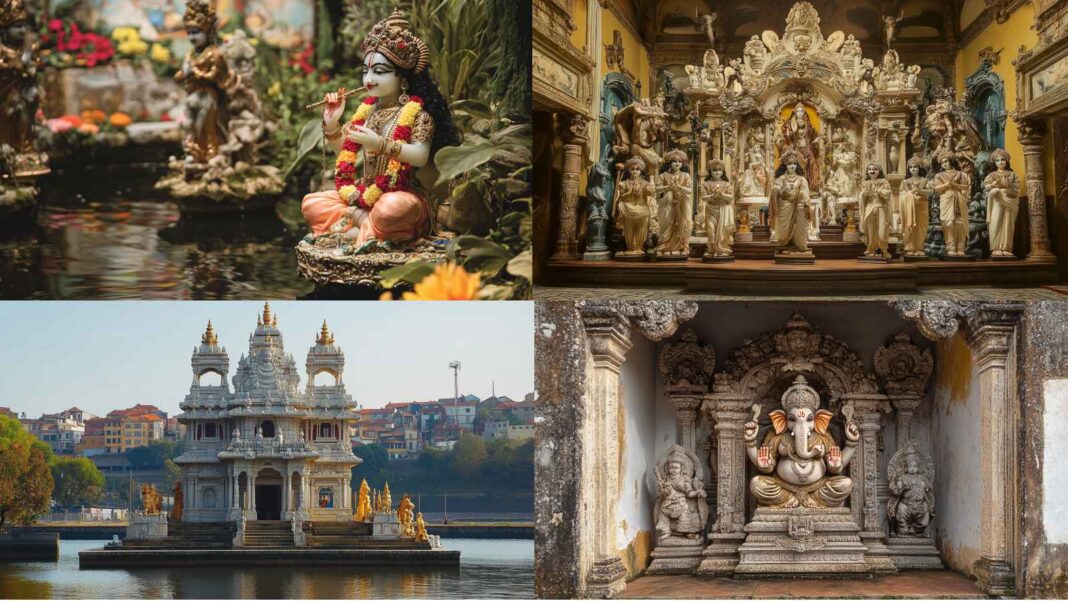
Top 10 Must-Visit Hindu Temples in Poland
Poland—a country celebrated for its medieval castles, Gothic churches, and vibrant cultural heritage—may seem an unlikely setting for the timeless traditions of Hinduism. Yet, in recent decades, Poland has witnessed the emergence of Hindu temples that serve as sanctuaries of spiritual learning, cultural exchange, and artistic expression. These temples are largely the work of dedicated diaspora communities, spiritual seekers, and cultural organizations committed to sharing the ancient wisdom of Hindu philosophy in a modern European context.
In this guide, we explore the top 10 must-visit Hindu temples in Poland. Each temple offers a unique story that blends historical legacy with contemporary expression. From bustling metropolises like Warsaw and Kraków to coastal cities like Gdańsk and Szczecin, these temples are not just places of worship but hubs of intercultural dialogue and community-building. Whether you are a devoted practitioner or a curious traveler, join us as we take you on a journey through these sacred spaces, uncovering their history, architectural marvels, and the experiences they offer to visitors.
Read More About Hindu Temple
1. ISKCON Warsaw

Location:
ul. Nowy Świat 123, 00-001 Warsaw, Poland
Historical Background:
ISKCON Warsaw is one of the pioneering centers for Hindu spirituality in Poland. Established in the early 2000s by a group of passionate devotees and inspired by the global outreach of the International Society for Krishna Consciousness, this temple has played a crucial role in introducing the philosophies of Bhakti yoga and Vedic wisdom to a predominantly Christian audience. The temple not only provides a spiritual retreat for the Indian diaspora but also actively engages with local communities through interfaith dialogues and cultural events.
Architectural Highlights:
The temple is a modern reinterpretation of classic North Indian temple architecture. Its vibrant façade, featuring intricately carved motifs and a prominent gopuram-like entrance, is a visual representation of ancient spiritual iconography. The interior is designed to evoke a sense of calm and divinity, with natural light streaming through large windows, illuminating detailed murals that narrate stories from Hindu scriptures. The use of traditional colors such as saffron and red, complemented by contemporary design elements, creates a harmonious blend of old and new.
Visitor Experience:
Visitors to ISKCON Warsaw frequently describe their time at the temple as transformative. Whether attending a vibrant kirtan session, joining in on a meditative yoga class, or participating in festive celebrations during Janmashtami and Diwali, guests find a welcoming environment that nurtures spiritual growth and intercultural understanding. The temple’s community-driven activities, warm hospitality, and engaging workshops make every visit a memorable experience.
2. Sri Radha Krishna Temple Kraków
Location:
ul. Floriańska 45, 31-021 Kraków, Poland
Historical Background:
Situated in one of Poland’s oldest and most picturesque cities, Sri Radha Krishna Temple in Kraków was founded in the mid-2000s by a coalition of local devotees and Indian expatriates. The temple was established with the aim of celebrating the divine love and playful teachings of Radha and Krishna. Over the years, it has become a vital cultural and spiritual center, hosting regular classes on the Bhagavad Gita, workshops on classical music, and interfaith events that foster cultural dialogue.
Architectural Highlights:
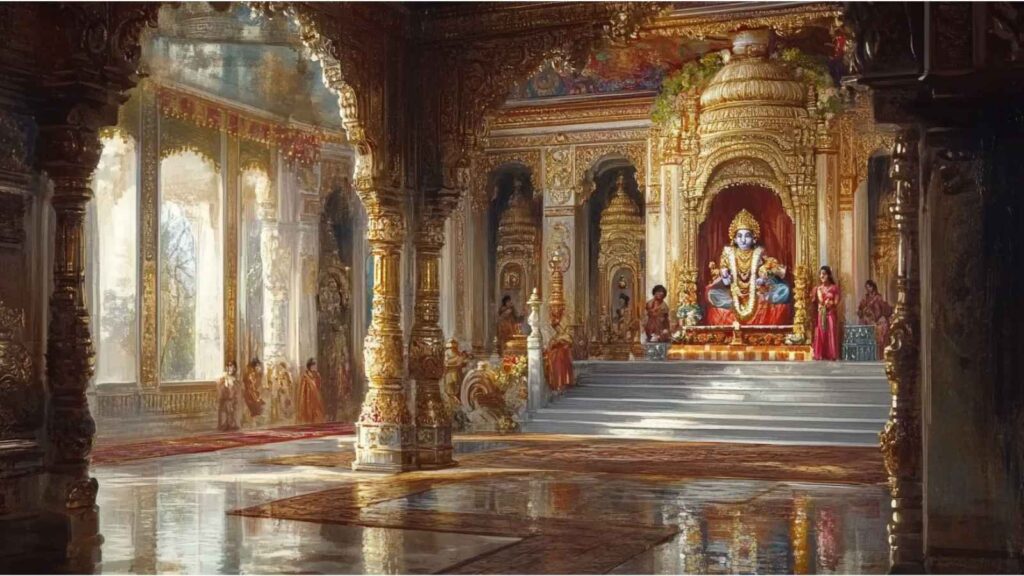
The temple’s architecture is an artful blend of traditional Indian design and Kraków’s historic charm. The exterior is decorated with ornate carvings and colorful frescoes, while the interior boasts intricate patterns inspired by traditional rangoli art. A beautifully carved idol of Lord Krishna, complete with his signature flute, forms the focal point of the main sanctum. The temple’s design emphasizes symmetry and balance, with elements that echo the classical aesthetics of Indian temple construction while harmonizing with the local European context.
Visitor Experience:
At Sri Radha Krishna Temple, visitors are greeted with the melodious sounds of devotional songs and the aromatic scent of incense. The temple regularly organizes cultural performances, meditation sessions, and storytelling evenings that bring the ancient legends of Krishna to life. Tourists and locals alike find the serene atmosphere and artistic details of the temple to be a source of inspiration and inner peace, making every visit a journey into the heart of devotional art.
3. Shiva Mandir of Gdańsk
Location:
ul. Długa 10, 80-803 Gdańsk, Poland
Historical Background:
In the historic port city of Gdańsk, the Shiva Mandir stands as a symbol of spiritual resilience and cultural diversity. Founded in the early 2010s, this temple was built by a small but dedicated community of Hindu immigrants and local spiritual enthusiasts. Its inception was inspired by the universal appeal of Lord Shiva—the embodiment of transformation, meditation, and cosmic energy. The temple has since evolved into a center for spiritual learning, hosting lectures on Vedic philosophy and regular workshops on yoga and meditation.
Architectural Highlights:
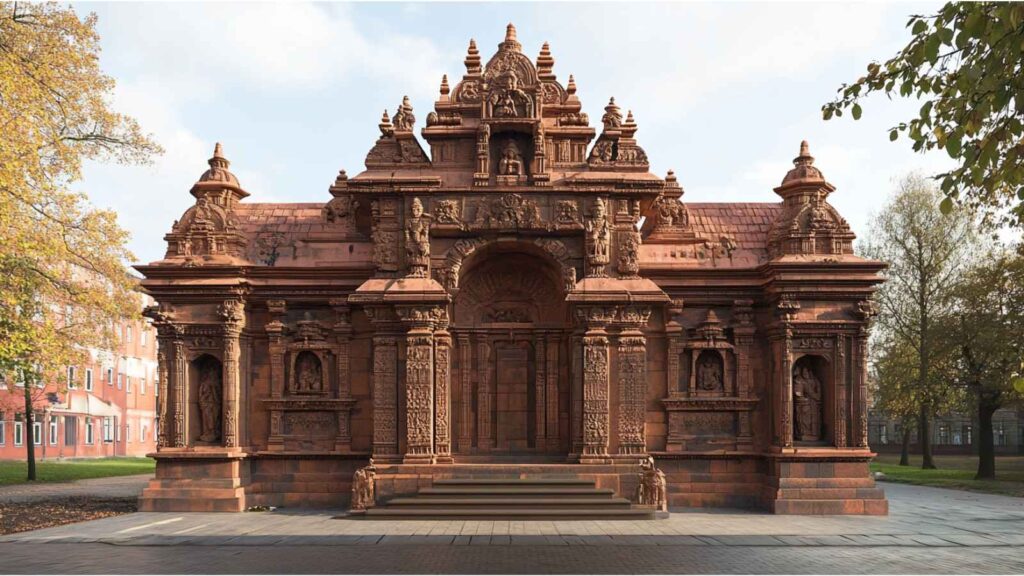
Shiva Mandir’s design captures the essence of traditional Himalayan temple architecture while incorporating modern design sensibilities. The temple’s exterior features bold, angular lines and a striking entrance adorned with symbolic sculptures representing Lord Shiva’s trident and the crescent moon. Inside, the subdued lighting and minimalist décor create an ambiance conducive to meditation. The focal point is the grand statue of Lord Shiva, which is intricately carved and exudes a powerful aura of divine energy.
Visitor Experience:
Visitors to the Shiva Mandir are often captivated by its tranquil atmosphere. The temple’s regular aarti ceremonies, accompanied by rhythmic drumming and soulful chants, provide a powerful sensory experience that resonates with both new and seasoned devotees. Guided meditation sessions and interactive workshops on Hindu philosophy offer a deeper understanding of the spiritual significance behind the temple’s design, leaving visitors with a renewed sense of purpose and calm.
4. Lakshmi Narayan Temple Wrocław
Location:
ul. Świdnicka 25, 50-101 Wrocław, Poland
Historical Background:
Located in the vibrant city of Wrocław, Lakshmi Narayan Temple was established in the mid-2000s to honor the divine couple—Lord Vishnu and Goddess Lakshmi. This temple was founded by a group of local devotees and Indian professionals aiming to promote values of prosperity, harmony, and benevolence. Over the years, the temple has grown into a hub for cultural exchange, offering a range of activities from spiritual discourses to charitable initiatives that serve the local community.
Architectural Highlights:
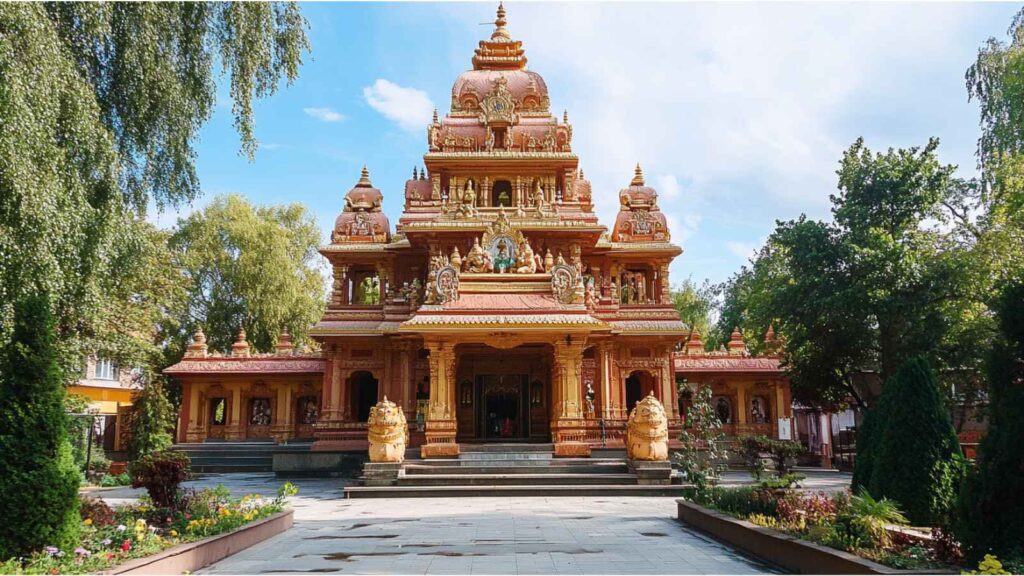
The temple’s architecture is a harmonious fusion of traditional and modern elements. Its façade is embellished with ornate sculptures depicting various avatars of Vishnu, and the entrance is marked by a grand archway reminiscent of ancient temple gateways. Inside, the use of polished marble floors, intricate woodwork, and vibrant murals creates an atmosphere of divine opulence. The main sanctum, which houses life-sized idols of Lakshmi and Narayan, is designed to evoke the timeless beauty of traditional Hindu temple art, while innovative lighting enhances the intricate details.
Visitor Experience:
Visitors to Lakshmi Narayan Temple in Wrocław report an overwhelming sense of serenity and spiritual warmth. The temple’s daily poojas and festive celebrations—especially during Diwali—are marked by a lively mix of traditional rituals and community gatherings. Whether you are seeking blessings for prosperity or simply a moment of reflection, the temple’s peaceful environment and engaging cultural programs ensure that every visitor departs with a feeling of rejuvenation and hope.
5. Ganesha Temple, Poznań
Location:
ul. Święty Marcin 15, 61-701 Poznań, Poland
Historical Background:
Dedicated to Lord Ganesha—the remover of obstacles—Ganesha Temple in Poznań was established in the early 2010s by a passionate group of devotees from both the Indian community and local residents. Its founding was driven by the desire to spread the message of wisdom and compassion embodied by Ganesha. Over time, the temple has become a popular venue for cultural programs, art exhibitions, and community service initiatives, further cementing its role as a cultural bridge between diverse communities.
Architectural Highlights:
The Ganesha Temple features a striking modern design interlaced with traditional elements. A large, exquisitely carved statue of Lord Ganesha dominates the temple’s entrance, setting the tone for the spiritual journey within. The interior spaces are adorned with intricate patterns, vibrant murals, and delicate sculptures that depict various legends associated with Ganesha. The use of natural light, coupled with an open floor plan, creates an inviting space that encourages both introspection and communal interaction.
Visitor Experience:
Visitors to the Ganesha Temple in Poznań are welcomed with an atmosphere of joy and positivity. The temple’s community-driven events, such as art workshops and music concerts celebrating Indian classical traditions, provide a lively and enriching experience. Devotees and curious tourists alike are drawn to the temple’s dynamic energy, and many leave with a renewed sense of optimism and a deeper understanding of Hindu symbolism and rituals.
6. Sri Kali Temple, Łódź
Location:
ul. Piotrkowska 30, 90-001 Łódź, Poland
Historical Background:
Sri Kali Temple in Łódź was founded in the late 2000s as a tribute to Goddess Kali—the fierce and transformative aspect of the Divine Mother. Established by a collective of spiritual seekers and members of the Indian diaspora, the temple serves as a center for empowerment, social outreach, and spiritual awakening. The temple’s journey reflects a broader narrative of cultural integration and the universal appeal of Hindu philosophies in times of transformation and change.
Architectural Highlights:
The architecture of Sri Kali Temple is bold and dynamic. The exterior is characterized by dramatic color contrasts and powerful imagery, including intricate depictions of Goddess Kali in her many forms. Inside, the temple combines modern design with traditional craftsmanship. The central sanctum features an imposing idol of Kali, surrounded by elaborate carvings and symbolic motifs that represent the cycles of destruction and rebirth. The overall design is meant to evoke the goddess’s energy and resilience.
Visitor Experience:
Visitors to Sri Kali Temple in Łódź often describe their experience as both cathartic and inspiring. The temple’s intense yet nurturing environment invites introspection and personal growth. Regular rituals, including fire ceremonies and aarti sessions, allow visitors to engage deeply with the goddess’s symbolism. The temple’s inclusive atmosphere and dedicated community programs provide an empowering space for those seeking to overcome obstacles and embrace transformation.
7. Durga Devi Temple, Lublin
Location:
ul. Krakowskie Przedmieście 20, 20-001 Lublin, Poland
Historical Background:
Durga Devi Temple in Lublin was established in the early 2010s as a celebration of the divine feminine and the strength of Goddess Durga. Founded through the collaborative efforts of local devotees and cultural enthusiasts, the temple aims to inspire courage, compassion, and social unity. Over the years, it has become a focal point for cultural festivals, educational workshops, and community outreach programs that emphasize the values of resilience and empowerment.
Architectural Highlights:
The temple’s architecture is as vibrant as it is symbolic. The exterior is adorned with colorful murals and sculptures depicting the many aspects of Goddess Durga—from her fierce warrior form to her nurturing, maternal side. Inside, the temple features a spacious sanctum with traditional Indian motifs, detailed frescoes, and ornate altars that reflect both historical artistry and modern design sensibilities. The harmonious use of light and space creates an uplifting ambiance that resonates with the goddess’s energy.
Visitor Experience:
A visit to Durga Devi Temple in Lublin is a sensory and spiritual celebration. Devotees are treated to vibrant ritual performances, dance recitals, and musical events during the temple’s major festivals, particularly Navaratri. The warm, community-focused environment encourages participation and shared experiences. Visitors often leave with a strong sense of empowerment, having experienced the rich tapestry of rituals and the artistic beauty that defines the goddess’s presence.
8. Krishna Bhakti Centre, Katowice
Location:
ul. Mariacka 5, 40-001 Katowice, Poland
Historical Background:
Krishna Bhakti Centre in Katowice was established in the early 2010s by a community of devotees passionate about the teachings of Lord Krishna and the practice of Bhakti yoga. The centre was founded with the goal of spreading Krishna’s message of love, joy, and spiritual liberation to a diverse urban audience. Through regular classes, cultural events, and interfaith dialogues, the centre has become a beacon of spiritual growth and community connection in the heart of Katowice.
Architectural Highlights:
This temple’s design reflects a modern approach to traditional temple architecture. The façade features a large, expressive mural of Lord Krishna in his youthful, playful form, rendered in vibrant hues that capture the essence of divine love and mischief. The interior spaces are thoughtfully designed with elements of natural stone, ambient lighting, and artistic installations that draw inspiration from traditional Indian art. The focal point is the sanctum, which houses a beautifully adorned idol of Krishna, evoking the deity’s timeless charm.
Visitor Experience:
Visitors at Krishna Bhakti Centre are welcomed by an atmosphere of joyful celebration and introspection. The centre regularly hosts music and dance workshops, spiritual discourses, and community feasts that celebrate the rich traditions of Krishna bhakti. The warm, inclusive environment encourages both spiritual seekers and art lovers to immerse themselves in the devotional practices and cultural expressions that define Krishna’s legacy. Many leave with a heart full of gratitude and a deeper appreciation for the playful yet profound nature of Krishna’s teachings.
9. Saraswati Temple, Szczecin
Location:
ul. Wały Chrobrego 18, 70-001 Szczecin, Poland
Historical Background:
Saraswati Temple in Szczecin was founded in the mid-2010s by a group of educators, artists, and spiritual leaders dedicated to the goddess of knowledge, music, and art. Situated in a city known for its maritime heritage and cultural dynamism, the temple was envisioned as a center for intellectual and creative exchange. It regularly hosts workshops, cultural performances, and academic seminars that merge traditional Indian wisdom with contemporary artistic expression.
Architectural Highlights:
The architecture of Saraswati Temple is an elegant combination of simplicity and intricate detail. The temple’s exterior features delicate carvings of the goddess, often depicted with a veena, against a backdrop of soft, earthy tones. Inside, natural light fills the open spaces, highlighting minimalist décor and refined artistic touches such as hand-painted murals and sculptural installations. The serene ambiance reflects the goddess’s role as a patron of learning and creativity, creating an ideal environment for contemplation and artistic inspiration.
Visitor Experience:
At Saraswati Temple in Szczecin, visitors experience a unique blend of spiritual calm and creative energy. The temple’s regular art exhibitions, music recitals, and literary gatherings invite guests to explore the deeper connections between art and spirituality. Whether you attend a morning meditation session or participate in an interactive workshop, the environment encourages learning, creativity, and introspection—leaving visitors enriched and inspired.
10. Brahma Mandir, Rzeszów
Location:
ul. Krakowska 12, 35-001 Rzeszów, Poland
Historical Background:
Brahma Mandir in Rzeszów, established in the late 2000s, is dedicated to Lord Brahma—the creator of the universe in Hindu cosmology. Although Brahma is less commonly worshipped in contemporary practice, this temple was founded by visionary devotees who sought to explore the deeper questions of creation, existence, and cosmic order. Over time, Brahma Mandir has evolved into a center for philosophical discourse and artistic expression, hosting seminars on Vedic literature and creative workshops that delve into the mysteries of creation.
Architectural Highlights:
The temple’s design is a creative fusion of ancient Vedic symbolism and modern architectural innovation. A striking central dome, reminiscent of the cosmic egg (Brahmanda), serves as the temple’s visual centerpiece. Detailed latticework, symbolic carvings, and an interplay of light and shadow are used throughout the space to evoke the divine creative force. The interior, with its calm and reflective ambiance, invites visitors to contemplate the mysteries of the universe as expressed through art and architecture.
Visitor Experience:
A visit to Brahma Mandir in Rzeszów offers a contemplative retreat where philosophy and art merge seamlessly. The temple regularly organizes guided meditation sessions, philosophical discussions, and creative workshops that invite visitors to explore the meaning of creation and existence. The tranquil setting, enhanced by subtle background chants and the soft glow of natural light filtering through intricately designed windows, leaves every guest with a profound sense of wonder and introspection.