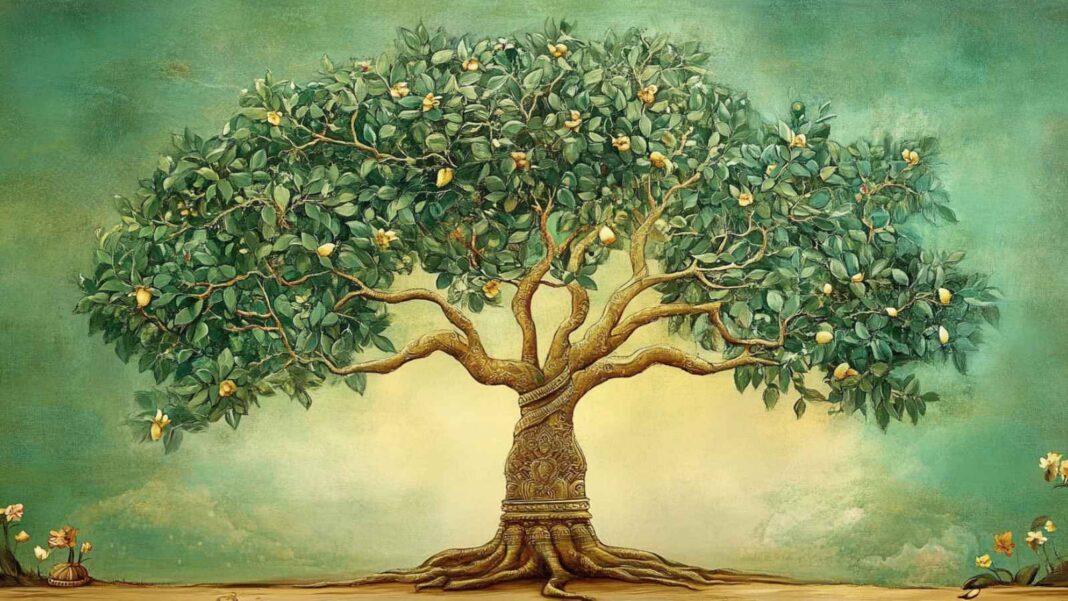

The Peepal tree (Ficus religiosa), also known as the sacred fig, is revered across India as one of the most sacred forms of flora. With a legacy spanning millennia, the Peepal tree is venerated for its profound spiritual significance, medicinal properties, and enduring presence in rituals and daily worship. In Hindu philosophy, it is more than just a tree—it is a living symbol of cosmic energy, divine consciousness, and eternal life.
Read More About Hindu Philosophy
Ancient scriptures such as the Vedas, Upanishads, and various Puranas extol the virtues of the Peepal tree. It is celebrated as a manifestation of divine energy, often associated with deities like Lord Vishnu, Lord Shiva, and the goddess Lakshmi. The tree’s broad canopy and intricate root systems serve as a powerful metaphor for the interconnectedness of all life and the eternal cycle of creation and destruction.
In this article, we explore the spiritual, philosophical, and ritualistic dimensions of the Peepal tree. We delve into the foundational scriptures that guide its worship, highlight its role in everyday life, and examine the cultural and spiritual heritage of temples built around this sacred tree. We also present an in-depth profile of Peepal Vriksha Mandir in Varanasi, Uttar Pradesh, including its historical background, architectural highlights, and the immersive visitor experience it offers. Furthermore, we provide ideas and a framework for creating AI-generated images that capture the divine beauty of the Peepal tree.
Whether you are a devoted seeker of spiritual wisdom or a cultural enthusiast eager to explore Hindu heritage, this comprehensive guide offers insights and actionable information to inspire and enrich your spiritual journey.
The Spiritual and Philosophical Significance of the Peepal Tree

Sacred Symbolism in Hindu Thought
The Peepal tree is deeply entrenched in Hindu mythology and spirituality. Often considered a living embodiment of the divine, it represents:
- Eternal Life and Renewal:
The cyclic nature of the Peepal tree—with its seasonal blossoming and leaf-fall—symbolizes the endless cycle of birth, death, and rebirth. - Cosmic Connection:
The sprawling branches and extensive root systems reflect the interconnectedness of all existence, resonating with the Hindu belief in the unity of life. - Divine Consciousness:
Many devotees regard the Peepal tree as a natural conduit to higher consciousness, a sacred link between the earthly realm and the divine.
Foundational Scriptures and Ritual Guidance
Numerous ancient texts provide spiritual, philosophical, and ritual guidance centered on the Peepal tree:
- Vedas and Upanishads:
These ancient scriptures mention the sacred fig as a symbol of life and divine energy. The tree is often associated with the cosmic order and the pursuit of spiritual knowledge. - Puranas:
Various Puranas narrate stories and legends that highlight the miraculous properties of the Peepal tree. They describe how its presence in a sacred grove purifies the atmosphere and bestows blessings upon those who seek its shelter. - Ritual Practices:
In many Hindu households, the Peepal tree is worshipped daily. Devotees offer water, flowers, and incense to the tree, reciting mantras that invoke its healing and protective energies.
“The Peepal tree, with its vast canopy and deep roots, stands as a testament to nature’s divine artistry, inviting every soul to seek refuge under its shelter of eternal grace.”
(This timeless sentiment echoes in traditional commentaries on Vedic literature and Puranic lore.)
The Cultural Importance of the Peepal Tree in Rituals and Daily Life
Daily Worship and Household Traditions
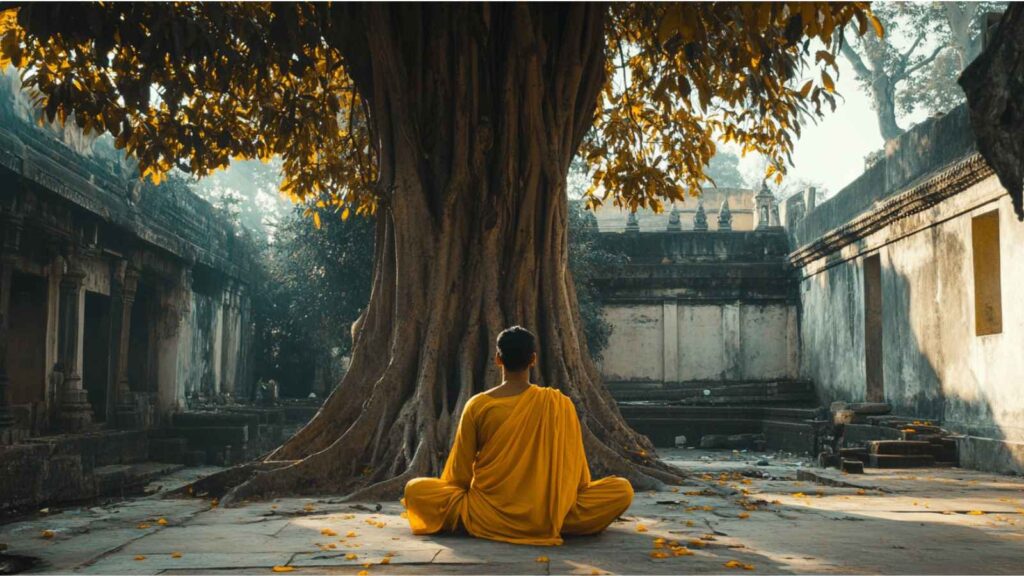
In many Indian homes, the Peepal tree is not confined to the pages of ancient texts but is a living presence in daily life. It is common to see a small representation of the Peepal tree on home altars, symbolizing the commitment to purity and spiritual growth.
- Morning and Evening Puja:
Devotees typically offer water and light incense at dawn and dusk, honoring the tree as a guardian of the household. - Medicinal Uses:
Beyond its spiritual dimensions, the Peepal tree is acclaimed for its health benefits. Its leaves, bark, and sap are used in traditional Ayurvedic remedies to boost immunity and treat various ailments. - Festivals and Community Gatherings:
Celebrations often center around the Peepal tree, where communities gather to recite hymns, perform traditional dances, and share the lore associated with this sacred flora.
The Peepal Tree in Mythology and Folklore
The cultural tapestry of India is rich with legends that celebrate the Peepal tree. One popular tale recounts how the tree was a favored abode of ancient sages who meditated under its boughs, drawing inspiration and divine energy from its presence. This narrative reinforces the idea that the Peepal tree is not merely an ordinary plant but a living symbol of enlightenment and cosmic unity.
Temple Profile: Peepal Vriksha Mandir, Varanasi, Uttar Pradesh
One of the most revered temples dedicated to the sacred Peepal tree is the Peepal Vriksha Mandir located in Varanasi, Uttar Pradesh. Varanasi, one of the holiest cities in India, offers a profound spiritual context where ancient traditions and modern devotion converge.
Name and Exact Location
- Temple Name: Peepal Vriksha Mandir
- Location: Varanasi, Uttar Pradesh, India
Historical Background
Peepal Vriksha Mandir boasts a rich historical legacy steeped in myth and devotion. Established centuries ago, the temple has long been a center for spiritual seekers who come to witness the divine presence of the Peepal tree.
- Ancient Origins:
Local legends recount that sages and seers once meditated beneath the Peepal tree’s expansive canopy, receiving profound insights and blessings from the divine. - Royal Patronage and Renovations:
Over the centuries, the temple received patronage from various kings and local chieftains who recognized its spiritual significance. Regular renovations and restorations have ensured that the temple remains a vibrant center of worship and cultural preservation. - Symbol of Unity:
The temple not only honors the Peepal tree but also stands as a symbol of the interconnectedness of nature, spirituality, and community in Hindu tradition.
Architectural Highlights
The architectural design of Peepal Vriksha Mandir is a harmonious blend of ancient craftsmanship and contemporary enhancements, creating an ambiance that is both sacred and welcoming.
- Intricate Carvings and Sculptures:
The temple’s walls are adorned with detailed carvings depicting scenes from Hindu mythology, with the Peepal tree prominently featured as a symbol of life and spiritual awakening. - Natural Elements:
The temple complex integrates natural elements, including a sacred pond and lush gardens, which mirror the organic beauty of the Peepal tree. The integration of water bodies and green spaces adds to the serene atmosphere. - Sacred Altar:
A dedicated altar within the temple is reserved for the worship of the Peepal tree. Here, the tree is nurtured and revered as a living deity, with offerings of water, flowers, and sacred incense made daily. - Blend of Styles:
While the temple retains classical North Indian architectural motifs, modern design elements have been incorporated to ensure accessibility and comfort for contemporary visitors.
Visitor Experience
A visit to Peepal Vriksha Mandir is a transformative experience that offers both spiritual solace and cultural enrichment.
- Spiritual Ambiance:
Visitors are greeted by a tranquil environment enriched with the sounds of devotional hymns, the subtle fragrance of incense, and the rustle of Peepal leaves. This immersive atmosphere encourages introspection and meditation. - Interactive Rituals:
The temple offers visitors the opportunity to participate in traditional rituals. Guided by experienced priests, guests can join in the daily pujas and experience firsthand the time-honored practices associated with the Peepal tree. - Guided Tours and Educational Insights:
Knowledgeable guides provide detailed historical and cultural context, sharing stories, legends, and the scientific significance of the Peepal tree. These tours enrich the visitor experience, making it both educational and spiritually fulfilling. - Festivals and Special Events:
During auspicious occasions and festivals such as Peepal Mahotsav, the temple comes alive with cultural programs, devotional music, and traditional dance performances. These events foster a strong sense of community and shared heritage.
Foundational Scriptures and Ritual Practices
Scriptural Foundations
Ancient Hindu scriptures provide a robust philosophical framework for the worship of the Peepal tree. Key texts include:
- Vedas and Upanishads:
These seminal works extol the natural world as an expression of the divine. The Peepal tree, with its life-affirming qualities, is celebrated as a vital source of spiritual energy. - Puranas:
Numerous Puranic texts recount the legends surrounding the Peepal tree, emphasizing its role in purification and spiritual regeneration. The stories not only highlight its miraculous healing properties but also serve as moral and ethical guides. - Ritual Manuals:
Ancient treatises detail the proper methods for performing rituals involving the Peepal tree. Devotees are instructed on the offerings, chants, and ceremonies that invoke its divine presence and ensure the well-being of the household.
Ritual Practices and Devotional Observances
The ritualistic veneration of the Peepal tree is deeply ingrained in daily worship practices:
- Daily Puja:
Every morning and evening, devotees offer water, flowers, and incense to the Peepal tree, accompanied by the recitation of sacred mantras. This practice is believed to cleanse the mind, body, and spirit. - Seasonal Ceremonies:
Special ceremonies during the onset of monsoon and at the time of the new moon celebrate the tree’s rejuvenating powers, marking the cyclical renewal of nature. - Community Rituals:
In many villages and towns, communal gatherings around the Peepal tree foster a sense of unity and collective spirituality, reinforcing the bonds between individuals and the divine cosmos.
“Under the shade of the Peepal tree, one finds solace, wisdom, and a profound connection to the eternal rhythm of life.”
(A sentiment echoed by sages and chronicled in ancient scriptures.)