
Kumbh Mela: A Timeless Confluence of Spirituality, Sacred Scriptures, and Devotional Traditions
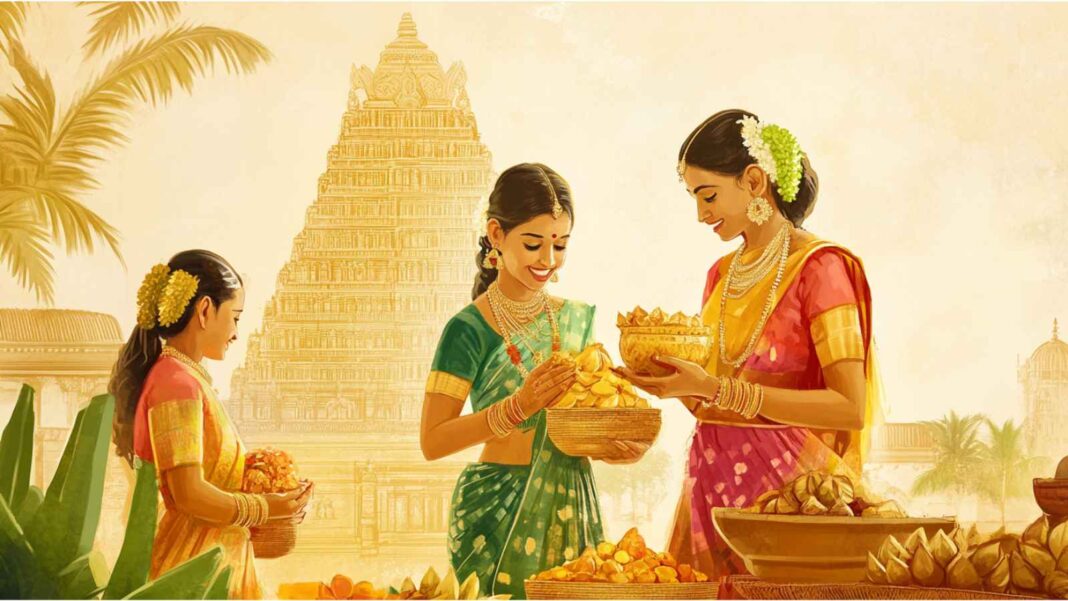
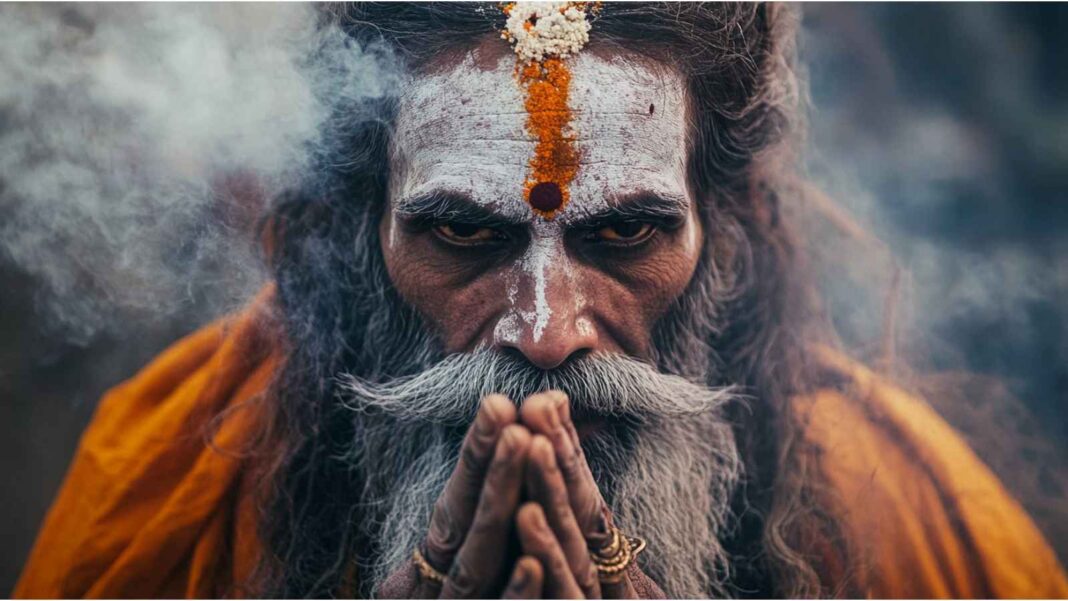
Kumbh Mela is more than just a festival—it is a grand confluence of faith, history, and spiritual rejuvenation that transcends time. Held at sacred riverbanks in India, this colossal gathering epitomizes the eternal quest for purification and enlightenment. Every few years, millions of devotees converge to immerse themselves in holy waters, participate in profound rituals, and seek blessings that renew their spiritual vigor. Rooted in ancient myths and celebrated through age-old traditions, Kumbh Mela offers a unique blend of cultural extravagance and deep devotion, underpinned by the eternal wisdom of Hindu scriptures.
In this comprehensive guide, we explore the rich legacy of Kumbh Mela through its spiritual and philosophical underpinnings, the foundational scriptures that guide its rituals, and the vibrant cultural practices that make it one of the world’s largest religious gatherings. We also shine a light on iconic temples located near the Kumbh Mela sites, detailing their historical backgrounds, architectural splendor, and the immersive experiences they offer to pilgrims. Additionally, we provide creative guidelines for generating captivating AI imagery that visually encapsulates the spirit of this ancient festival—all designed to ensure your content not only informs but also ranks well on search engines.
Read More About Hindu Temples
Foundational Scriptures and Spiritual Guidance
Ancient Wisdom and Sacred Texts
The spiritual essence of Kumbh Mela is enshrined in the ancient scriptures of Hinduism, which articulate the cosmic principles and eternal truths that underlie the festival’s rituals.
The Vedas and Upanishads
The Vedas—the Rigveda, Samaveda, Yajurveda, and Atharvaveda—form the bedrock of Hindu spirituality. They lay out the cosmic order (ṛta) and the inherent divine energy that pervades the universe. While the Vedas do not explicitly mention Kumbh Mela, their hymns and rituals underscore the importance of spiritual purification and the interconnectedness of all life.
The Upanishads delve deeper into the nature of the self (Atman) and the ultimate reality (Brahman), encouraging seekers to look beyond the material world and embrace a higher state of consciousness. This philosophical framework resonates with the transformative experiences that devotees seek at Kumbh Mela—a journey from the mundane to the divine.
The Puranas and the Myth of Kumbh
The Puranas, particularly the Markandeya Purana, Skanda Purana, and the Mahabharata, narrate the legendary tale of the Kumbh (pot) and the cosmic struggle between gods and demons. According to myth, during the churning of the ocean (Samudra Manthan), a pot of nectar containing the elixir of immortality emerged. A fierce battle ensued over its possession, leading to a cosmic distribution of divine blessings. This myth encapsulates the eternal cycle of creation, destruction, and renewal—a cycle that Kumbh Mela symbolically re-enacts with every mass bathing ritual.
“The sacred waters of the Ganges, Yamuna, and the mythical Saraswati carry within them the promise of rebirth and eternal renewal. As the pot of nectar was divided among gods and demons, so too are the blessings of the divine made available to every soul at Kumbh Mela.”
– Traditional Proverb on the Kumbh Legend
Devotional Literature and the Quest for Purification
Devotional texts, including various bhajans, stotras, and commentaries on the Bhagavad Gita, extol the virtues of spiritual cleansing and self-realization. They urge devotees to surrender their ego, immerse themselves in the divine, and emerge purified from both physical and mental impurities. This emphasis on inner transformation is central to the Kumbh Mela experience, where the act of ritual bathing is seen as a powerful means of attaining spiritual rebirth.
Rituals, Cultural Significance, and the Spirit of Kumbh Mela

The Essence of Kumbh Mela
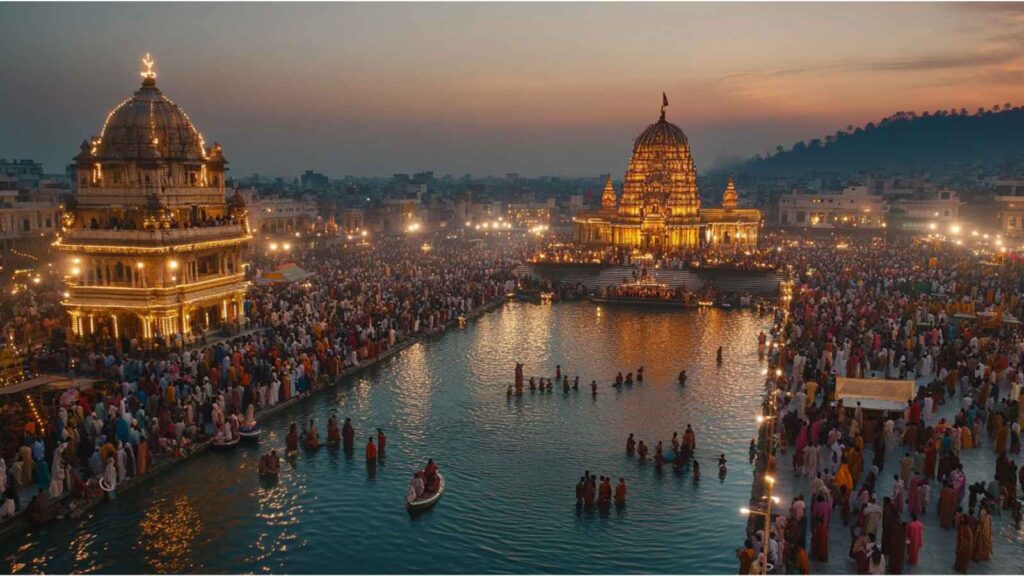
Kumbh Mela is celebrated at four sacred locations in India—Prayagraj (Allahabad), Haridwar, Nashik, and Ujjain—each chosen for its unique connection to sacred rivers and ancient legends. The festival is not only a time for physical cleansing through ritual bathing but also a period of intense spiritual introspection, communal harmony, and cultural expression.
Key Rituals and Practices
- Mass Bathing (Snan):
Devotees take a dip in the sacred rivers—be it the Ganges, Yamuna, Godavari, or Shipra—as a symbolic act of washing away sins and impurities. This ritual is central to Kumbh Mela and is believed to bestow spiritual merit and liberation (moksha). - Religious Discourses and Spiritual Sessions:
Renowned sages, scholars, and spiritual leaders conduct discourses that delve into the timeless wisdom of the Vedas, Upanishads, and Puranas. These sessions serve to educate and inspire thousands, offering insights into the deeper mysteries of life and the universe. - Processions and Cultural Performances:
The festival is marked by vibrant processions, traditional music, dance performances (such as Kathak and classical ragas), and dramatic reenactments of mythological episodes. These cultural displays celebrate the rich heritage of Hinduism and enhance the festive spirit. - Community Gatherings and Pilgrimage:
Kumbh Mela is as much a social phenomenon as it is a spiritual one. It fosters a sense of unity among people from all walks of life, transcending regional, cultural, and economic boundaries. The collective energy of millions coming together in devotion creates an atmosphere of unparalleled spiritual synergy.
Iconic Temples Associated with Kumbh Mela
While Kumbh Mela is primarily a pilgrimage centered around river bathing, the vicinity of these sacred sites is dotted with temples that enhance the spiritual experience. Here, we explore three iconic temples located near the major Kumbh Mela venues, each with its own unique historical, architectural, and devotional significance.
1. Mansa Devi Temple, Haridwar, Uttarakhand
Location:
Mansa Devi Temple is located in Haridwar, Uttarakhand, India.
Address: Mansa Devi Temple Road, Haridwar – 249401, Uttarakhand, India.
Historical Background:
The Mansa Devi Temple, dedicated to the goddess who is believed to fulfill wishes, has a long-standing association with Haridwar, one of the four cities where Kumbh Mela is celebrated. According to local legends, Mansa Devi is a manifestation of the goddess of power and prosperity. Over the centuries, the temple has been a beacon of hope for devotees seeking blessings for fertility, health, and success. Its rich history is intertwined with the spiritual evolution of Haridwar, making it a significant landmark during the Kumbh Mela.
Architectural Highlights:
- Traditional North Indian Design:
The temple boasts a traditional architectural style with intricately carved exteriors, ornate domes, and decorative motifs that reflect ancient craftsmanship. - Vibrant Colors and Intricate Detailing:
The façade of the temple is adorned with vivid frescoes and detailed sculptures depicting mythological stories and deities, providing a visual feast for visitors. - Harmonious Layout:
Designed in accordance with Vastu Shastra, the temple’s layout is intended to create a harmonious flow of energy, enhancing the spiritual atmosphere for devotees.
Visitor Experience:
Visiting Mansa Devi Temple during Kumbh Mela is a profoundly immersive experience. Devotees and pilgrims are greeted by the melodic chants of mantras, the aroma of incense, and the vibrant energy of ritualistic ceremonies. The temple’s serene ambiance, combined with the festive hustle of Haridwar during Kumbh, offers visitors a unique blend of introspection and communal celebration. Guided tours and local anecdotes further enrich the experience, providing insights into the temple’s storied past and its role in the larger tapestry of Hindu spirituality.
2. Trimbakeshwar Shiva Temple, Nashik, Maharashtra
Location:
Trimbakeshwar Shiva Temple is located near Nashik in Maharashtra, India.
Address: Trimbak, Nashik District – 422205, Maharashtra, India.
Historical Background:
One of the twelve Jyotirlingas, the Trimbakeshwar Shiva Temple is revered as one of the holiest shrines dedicated to Lord Shiva. Its historical roots trace back to ancient times, with legends asserting that it is the origin of the sacred Godavari River. The temple’s significance is deeply embedded in the cultural and religious fabric of Nashik—a city that plays a central role in the Kumbh Mela. Over the centuries, the temple has attracted countless devotees, scholars, and mystics, all drawn by its spiritual magnetism and the promise of divine blessings.
Architectural Highlights:
- Ancient Dravidian and Hemadpanthi Styles:
The temple showcases a blend of architectural styles, including intricate stone carvings, detailed sculptures, and a majestic shikhara (tower) that reaches toward the heavens. - Symbolic Elements:
Unique to Trimbakeshwar is its three-faced lingam, representing the aspects of creation, preservation, and destruction. This symbolic representation encapsulates the multifaceted nature of Lord Shiva. - Scenic Surroundings:
Set against the backdrop of the lush Western Ghats, the temple’s surroundings enhance its spiritual aura. The natural beauty of the region, with its rolling hills and sacred streams, adds to the overall serenity of the pilgrimage.
Visitor Experience:
Pilgrims visiting Trimbakeshwar during the Kumbh Mela are often struck by the temple’s majestic beauty and profound spiritual energy. The serene environment, coupled with the rhythmic chanting of devotees and the immersive ritual of abhishekam (ritual bathing of the lingam), creates an atmosphere of deep reverence and inner peace. Visitors frequently remark on the transformative experience of connecting with ancient traditions amid the natural splendor of Nashik’s sacred landscapes.
3. Mahakaleshwar Temple, Ujjain, Madhya Pradesh
Location:
Mahakaleshwar Temple is situated in Ujjain, Madhya Pradesh, India.
Address: Mahakaleshwar Temple, Ujjain – 456001, Madhya Pradesh, India.
Historical Background:
Mahakaleshwar Temple, one of the twelve revered Jyotirlingas, is a major center of worship dedicated to Lord Shiva. Ujjain, with its deep historical and astronomical significance, has been a hub of spiritual activity for millennia. The temple’s origins are shrouded in ancient legends that recount its divine inception and its role as the eternal custodian of cosmic time. For devotees attending the Kumbh Mela, Mahakaleshwar stands as a symbol of divine protection and the unending cycle of creation and destruction.
Architectural Highlights:
- Majestic Stone Architecture:
The temple features a robust stone structure with intricately carved pillars, detailed sculptures, and an imposing shikhara that dominates the Ujjain skyline. - Blend of Antiquity and Renovation:
Over the centuries, the temple has undergone various phases of renovation, preserving its ancient charm while incorporating modern restorations to accommodate the growing influx of devotees. - Spiritual Symbolism:
The sanctum sanctorum houses a highly revered Shiva Linga, which is the focal point of continuous worship and abhishekam. The temple’s layout, designed in accordance with Vedic principles, is intended to channel divine energy and foster a sense of cosmic balance.
Visitor Experience:
Visiting Mahakaleshwar Temple during the Kumbh Mela is a soul-stirring experience. The temple comes alive with the rhythmic chanting of mantras, the scent of incense, and the vibrant celebrations of pilgrims from all over India. The aura of ancient wisdom and the palpable presence of divinity create an environment of deep spiritual introspection. Guided tours, historical narratives, and cultural performances further enrich the visitor experience, allowing pilgrims to connect with the temple’s storied past and its enduring legacy.