


Atman: The Eternal Soul and Essence of Existence in Hindu Philosophy
Hinduism, with its profound philosophical heritage and rich spiritual traditions, offers timeless insights into the nature of existence. Central to its teachings is the concept of Atman—the eternal, unchanging soul that underlies all living beings. This article explores Atman through the lens of sacred scriptures, ritual practices, and the living legacy of ancient temples. We will journey through foundational texts such as the Upanishads, Bhagavad Gita, and Vedas, which have long guided seekers on the path to self-realization. Additionally, we will explore revered temples that not only serve as places of worship but also as living embodiments of the eternal soul.
Read More About Hindu Temples
In this comprehensive guide, you will discover:
- An Introduction to Atman: Understanding its meaning, significance, and role in the quest for self-realization.
- Foundational Scriptures: Insights from ancient texts revered for their spiritual, philosophical, and ritual guidance.
- Temple Journeys: Detailed explorations of temples that echo the teachings of Atman, including:
- Name and Exact Location
- Historical Background
- Architectural Highlights
- Visitor Experience
- Integrating Atman into Daily Life: How the eternal soul influences modern spiritual practices and personal well-being.
- Visual Storytelling with AI: Creative image prompts and frameworks to visually capture the essence of Atman.
Join us as we delve into the timeless wisdom of Hindu philosophy, celebrating the divine spark within each individual and exploring how ancient traditions continue to inspire modern seekers.
Understanding Atman: The Eternal Self
Defining Atman
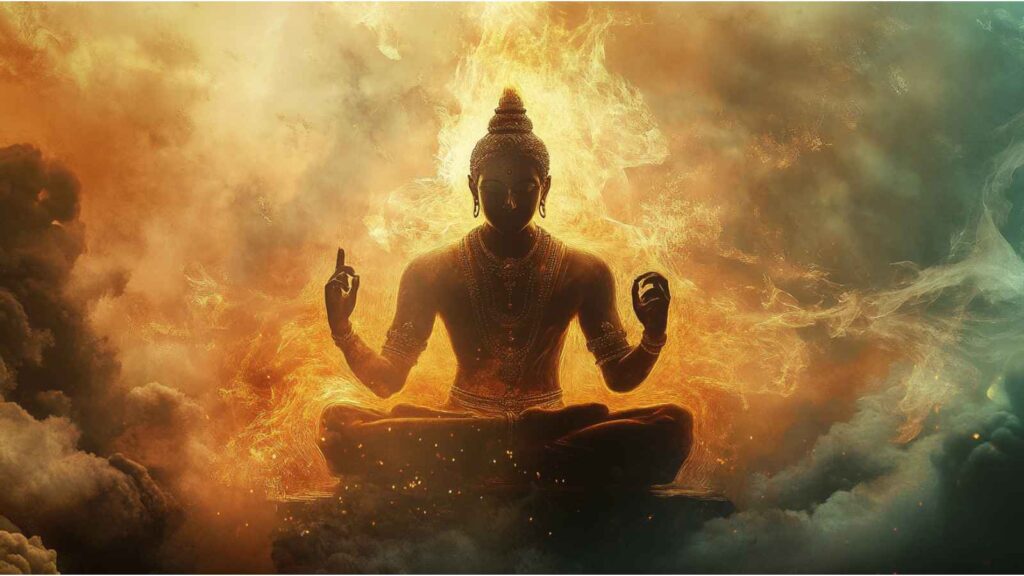
Atman is a Sanskrit term that translates to “self” or “soul.” In Hindu philosophy, it represents the true essence of an individual—a divine, immutable core that transcends physical existence and the transient nature of the material world. Unlike the ego or the mind, Atman is eternal and universal, reflecting the ultimate reality of Brahman, the cosmic spirit that permeates all of existence.
Philosophical Significance
The concept of Atman is foundational to several schools of Hindu thought, particularly Advaita Vedanta, which posits that Atman and Brahman are one and the same. This realization is the key to self-realization and liberation (Moksha). When one truly understands that the individual self (Atman) is not separate from the universal consciousness (Brahman), the cycle of ignorance and suffering is transcended.
Key aspects of Atman include:
- Eternality: Atman is everlasting, unaffected by the cycles of birth and death.
- Immutable Nature: Beyond the changing physical body and mind, Atman remains constant.
- Universal Connection: Atman is the spark of divinity within every being, signifying our interconnectedness with all life.
- Self-Realization: Understanding and experiencing Atman is seen as the ultimate goal of human existence, leading to inner peace and liberation.
Atman in Foundational Scriptures
The journey to understanding Atman is well documented in several revered Hindu texts:
- Upanishads: These ancient treatises form the philosophical core of Hinduism. They explore the nature of Atman, famously encapsulated in the phrase “Tat Tvam Asi” (That Thou Art), which expresses the unity between the individual soul and the universal spirit.
- Bhagavad Gita: Embedded within the epic Mahabharata, this dialogue between Prince Arjuna and Lord Krishna expounds on the nature of self and the eternal soul, urging a life of duty, devotion, and introspection.
- Vedas: The oldest scriptures of Hinduism, the Vedas contain hymns, rituals, and philosophical insights that lay the groundwork for understanding the cosmic order and the nature of the soul.
- Upavedas and Puranas: These texts complement the Vedic wisdom with narratives, allegories, and detailed discussions on the nature of life, purpose, and the eternal self.
“The soul is neither born, nor does it die; it is not subject to change. This eternal nature is the essence of Atman, the true self.”
— Inspired by the Upanishads
The teachings from these scriptures serve as a roadmap for seekers, guiding them toward a deeper understanding of the eternal self and providing the philosophical underpinnings for the quest to realize one’s true nature.
Temples: Living Embodiments of the Eternal Soul

Temples in Hinduism are far more than mere structures of stone and mortar; they are vibrant centers of spirituality where the eternal nature of Atman is celebrated and experienced. Below, we explore two iconic temples that encapsulate the essence of Atman, offering historical context, architectural brilliance, and immersive visitor experiences.
1. Kashi Vishwanath Temple, Varanasi, Uttar Pradesh
Name and Location
The Kashi Vishwanath Temple is located in the ancient city of Varanasi, Uttar Pradesh, India. Known as the spiritual heart of the country, Varanasi is synonymous with the eternal quest for self-realization and liberation.
Historical Background
Dedicated to Lord Shiva, the Kashi Vishwanath Temple has a history steeped in myth and legend. Varanasi, often referred to as the “City of Light,” is believed to be one of the oldest continuously inhabited cities in the world. According to tradition, the temple was established by the sage Parasurama and has undergone several reconstructions over the centuries. The temple’s historical evolution mirrors the spiritual evolution of its devotees—each era contributing to its mythic status as a beacon of divine presence and the eternal soul.
Historical records and ancient inscriptions highlight the temple’s significance during the Gupta period, its challenges during periods of invasion, and its eventual restoration by devout patrons. Today, the temple stands as a testament to the enduring legacy of Hindu spirituality, symbolizing the eternal presence of Atman within every soul.
Architectural Highlights
Kashi Vishwanath Temple is renowned for its intricate architecture that reflects a harmonious blend of ancient craftsmanship and modern restoration:
- Intricate Carvings: The temple’s walls are adorned with detailed carvings depicting mythological narratives, divine symbols, and intricate patterns that invite contemplation on the nature of existence.
- Majestic Shikhara: The towering spire (shikhara) reaches skyward, symbolizing the aspirant’s journey toward the divine and the quest for self-realization.
- Sacred Mandapa: A spacious prayer hall (mandapa) where rituals, discourses, and spiritual gatherings take place, providing a serene space for introspection.
- Gopurams: The ornate entrance towers serve as both a gateway to the divine and a visual representation of the ascent from the earthly realm to the eternal.
Visitor Experience
Visitors to Kashi Vishwanath Temple often describe their experience as transformative and deeply spiritual:
- Spiritual Ambience: The resonating chants, the fragrance of incense, and the rhythmic ringing of bells create an atmosphere that is both calming and uplifting.
- Cultural Immersion: Pilgrims witness age-old rituals and vibrant festivals, which offer a glimpse into the timeless traditions that celebrate the eternal soul.
- Ritualistic Practices: Many devotees take a sacred dip in the nearby Ganges River, believing that the holy water cleanses the soul and prepares it for the journey to self-realization.
- Emotional Connection: The profound sense of devotion and the palpable energy within the temple provide visitors with an experience that transcends the physical, touching the very core of their being.
AI Image Creation Prompt:
“Illustrate Kashi Vishwanath Temple at dawn with its majestic shikhara bathed in golden light, intricate carvings detailed against the backdrop of an ancient city, and devotees engaging in soulful prayer by the Ganges.”
Image Credit: AI Generated Image via ArtisticVisionAI
2. Srirangam Ranganathaswamy Temple, Srirangam, Tamil Nadu
Name and Location
The Srirangam Ranganathaswamy Temple is located in the town of Srirangam, near Tiruchirappalli in Tamil Nadu, India. This temple is one of the largest functioning Hindu temples in the world and is a major pilgrimage center in South India.
Historical Background
Dedicated to Lord Ranganatha, an incarnation of Lord Vishnu, the Srirangam Temple has a rich historical legacy dating back over a thousand years. The temple’s origins are steeped in legend, with references found in ancient Tamil literature and historical records. Over the centuries, the temple has been expanded and renovated by various South Indian dynasties, including the Cholas, Pandyas, and Vijayanagara rulers. Its storied past is intertwined with the evolution of devotional practices and the deep philosophical understanding of the self.
The temple’s history is marked by its resilience and spiritual significance, standing as a living symbol of divine grace and the eternal nature of Atman. Pilgrims have long revered Srirangam as a sacred abode where the physical and the spiritual converge.
Architectural Highlights
The architectural splendor of Srirangam Ranganathaswamy Temple is both awe-inspiring and intricate:
- Expansive Complex: The temple complex sprawls over an area that includes numerous shrines, halls, and water tanks, each symbolizing different aspects of life and the eternal soul.
- Ornate Gopurams: The towering entrance gateways, or gopurams, are richly adorned with sculptures of deities, mythological figures, and celestial beings, all intricately carved to narrate the story of the divine.
- Elegant Mandapas: The temple features numerous mandapas (halls) used for religious ceremonies and discourses, providing tranquil spaces for meditation and reflection.
- Sculptural Details: Every corner of the temple is embellished with fine sculptures and murals that depict stories from Hindu mythology, offering visual narratives on the nature of the self and the cosmos.
Visitor Experience
A visit to Srirangam Ranganathaswamy Temple is a journey into the heart of devotional grandeur:
- Immersive Spirituality: The temple’s vibrant rituals, melodious chants, and the rhythmic recitation of sacred hymns create a multisensory experience that elevates the spirit.
- Cultural Richness: Visitors are welcomed into a tradition steeped in art, music, and dance—a living heritage that connects the past with the present.
- Pilgrimage and Processions: Regular festivals and processions, especially during major celebrations like Vaikunta Ekadashi, offer a glimpse into the communal devotion and collective pursuit of the eternal self.
- Serene Ambiance: Despite its grandeur, the temple exudes a tranquil atmosphere where devotees can engage in introspection, prayer, and meditation, reconnecting with the inner self.
AI Image Creation Prompt:
“Create a vivid depiction of Srirangam Ranganathaswamy Temple at sunset, capturing its majestic gopurams, intricate sculptures, and the warm glow of lanterns illuminating the spiritual fervor of devotees.”
Image Credit: AI Generated Image via VisionaryCreationsAI
Integrating the Wisdom of Atman into Daily Life
The teachings of Atman extend far beyond philosophical debate—they provide practical guidance for leading a meaningful and balanced life. Embracing the eternal self can influence daily practices in several transformative ways:
Cultivating Self-Realization
- Meditation and Mindfulness: Regular meditation practices, inspired by the Upanishadic insights on Atman, help individuals cultivate awareness of their inner self. Mindfulness not only reduces stress but also fosters a deeper understanding of one’s true nature.
- Self-Inquiry: Questioning the nature of one’s identity and distinguishing between the ego and the eternal soul can lead to profound self-realization. This introspective journey is central to the teachings of the Bhagavad Gita and Advaita Vedanta.
- Detachment: Learning to detach from material pursuits and transient desires allows the eternal self to shine through. This detachment is not about renunciation but rather about understanding what truly matters—spiritual growth and inner peace.
Ethical Living and Community Engagement
- Selfless Service (Karma Yoga): Engaging in community service and acts of kindness purifies the heart, aligning personal actions with higher spiritual principles. Karma Yoga teaches that selfless action is a pathway to realizing the divine within.
- Cultural and Spiritual Traditions: Participating in festivals, temple rituals, and cultural ceremonies reinforces the connection between the individual and the eternal community. Such communal practices remind us that the journey toward self-realization is both personal and collective.
- Continuous Learning: The study of sacred texts such as the Upanishads and Bhagavad Gita provides ongoing guidance. In today’s digital age, online courses, workshops, and spiritual retreats offer accessible ways to delve deeper into the wisdom of Atman.
Modern Relevance of Ancient Wisdom
In a world characterized by rapid change and technological advancements, the timeless teachings on Atman offer solace and guidance:
- Mental and Emotional Well-being: The practices derived from these ancient teachings promote mental clarity, emotional resilience, and a balanced perspective on life’s challenges.
- Holistic Health: Integrating meditation, yoga, and ethical living contributes to a holistic approach to health, nurturing the body, mind, and soul.
- Environmental Harmony: Recognizing the universal presence of Atman fosters a sense of responsibility towards nature, encouraging sustainable practices that honor the interconnectedness of all life.

