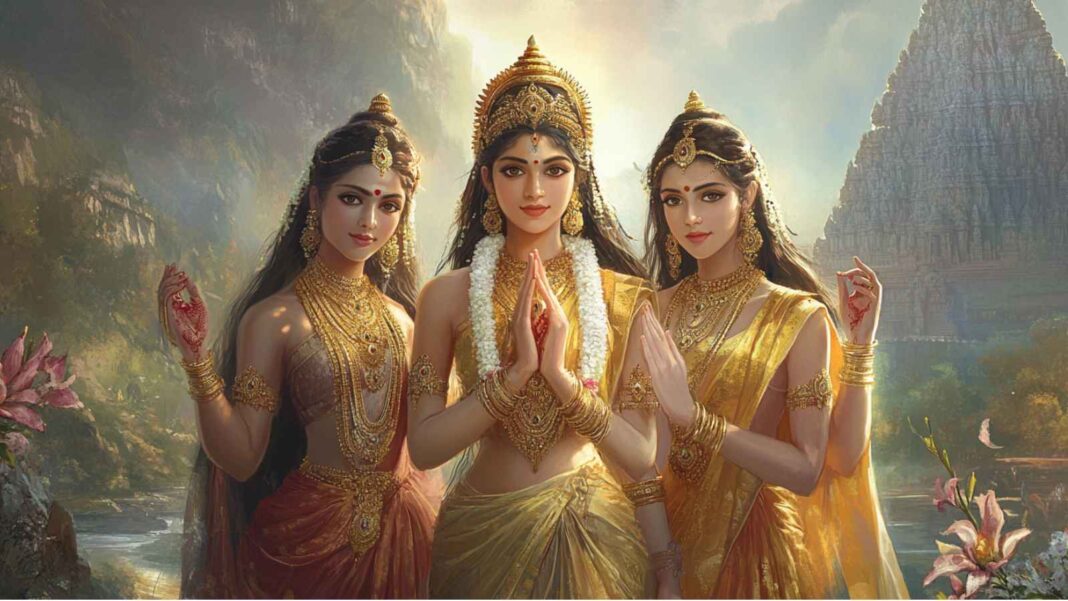

Hinduism is a vast tapestry woven with many strands of spirituality, philosophy, and cultural traditions. At its heart lies the powerful concept of the divine feminine, which manifests in myriad forms across sacred scriptures and timeless epics. In Hindu tradition, figures such as Sita from the Ramayana, and Draupadi and Kunti from the Mahabharata are not only revered for their moral and spiritual strengths but also represent archetypical aspects of purity, resilience, wisdom, and compassion. These personifications have significantly shaped the understanding of gender roles, divine grace, and the cyclical nature of life and duty.
Read More About sacred texts
Throughout history, temples dedicated to these divine figures have become centers of worship, pilgrimage, and cultural integration. In this article, we will delve deep into the stories behind Sita, Draupadi, and Kunti, their roles in the great Hindu epics, and examine sacred temples that celebrate these deities. We will also discuss the foundational scriptures that provide spiritual, philosophical, and ritual guidance to millions of devotees worldwide. Additionally, the article provides AI-driven image prompt ideas and a detailed framework—with citations and references—to assist in creating engaging visuals for the website.
The Divine Feminine in Hindu Epics: A Conceptual Overview
The divine feminine in Hinduism, often described as Shakti (power or energy), is celebrated as the life force of the universe and the source of creation. This energy is embodied in numerous forms ranging from goddesses such as Saraswati, Lakshmi, and Parvati to the epic heroines Sita, Draupadi, and Kunti. These revered figures are celebrated in foundational texts, including the Vedas, Upanishads, Ramayana, and Mahabharata, which provide guidance on morality, dharma (duty), and the quest for spiritual liberation.
Key Philosophical and Spiritual Aspects
- Spiritual Guidance:
The epics offer profound insights into the nature of duty, sacrifice, and devotion. Sita’s unwavering commitment, Draupadi’s complex journey of resilience, and Kunti’s embodiment of maternal strength and wisdom are all held as exemplary models of dharma. - Philosophical Foundations:
The roles played by these figures invite reflections on selfless service, the balance between personal desire and duty, and the eternal quest for truth and justice. Their narratives encourage devotees to seek not only material well-being but also spiritual enlightenment. - Ritual and Worship:
Temples and shrines dedicated to the divine feminine serve as focal points for rituals, annual festivals, and pilgrimages. They are often designed to evoke the celestial beauty and grace intrinsic to these personalities while echoing ancient architectural styles.
Sita: The Ideal of Virtue and Devotion

Sita’s Role in the Ramayana
Sita, the wife of Lord Rama, epitomizes strength, purity, and steadfast devotion. Her journey—from her birth as an incarnation of goddess Lakshmi to her trials and eventual reunion with her husband—illustrates the challenges of maintaining virtue in a complex world. Sita’s story serves as an allegory of overcoming adversity through unwavering faith and adherence to dharma. The Ramayana presents her not just as a devoted wife but as an embodiment of resilience and moral fortitude.
Foundational Scriptures
The Ramayana, attributed to the sage Valmiki, is more than an epic narrative; it is a spiritual text revered for its teachings on righteousness, duty, and the eternal struggle between good and evil. Key verses from the Ramayana emphasize Sita’s central role as a beacon of purity and sanctity, offering lessons in loyalty and sacrifice that continue to guide devotees today.
“Sita’s grace is not merely in her beauty but in her transcendent moral strength.”—Interpretation from the Ramayana texts
Temple Highlight: Janaki Mandir, Janakpur, Nepal
The spirit of Sita is preserved not only through scriptures but also through sacred architecture. One of the most celebrated temples dedicated to her is the Janaki Mandir.
Name and Exact Location
Janaki Mandir
Location: Janakpur, Nepal
Historical Background
Built in the 19th century by Queen Rajya Lakshmi Devi as a symbol of devotion to Sita—also revered as Janaki—the Janaki Mandir is an architectural marvel and an embodiment of cultural continuity. The temple has witnessed numerous renovations and continues to serve as an essential pilgrimage site for Hindus across the world, particularly during the festivals of Ram Navami and Vivah Panchami.
Architectural Highlights
- Intricate Carvings: The temple is known for its exquisite wood and stone carvings that depict scenes from the Ramayana.
- Colorful Facades: Vibrant colors and ornate patterns adorn the exterior, reflective of traditional Nepali art.
- Rooftop Design: The multi-tiered roof provides not only a striking visual appeal but also echoes the celestial designs found in ancient scriptures.
Visitor Experience
Pilgrims and tourists alike appreciate Janaki Mandir for its serene ambiance, spiritual vibrations, and historical significance. Visitors are often moved by the temple’s artistic expressions, intricate details, and the immersive experience of participating in age-old rituals:
- Daily Rituals: Witness elaborate prayers, aarti, and devotional songs.
- Festivals: Experience large-scale celebrations, especially during Ram Navami, which draw thousands of devotees.
- Local Culture: Enjoy the surrounding bazaars, local cuisine, and cultural events that highlight the rich heritage of Janakpur.
Draupadi: The Multifaceted Heroine of the Mahabharata

Draupadi’s Role in the Mahabharata
Draupadi stands as one of the most complex and dynamic characters in Hindu mythology. Known for her courage, intelligence, and resilience, she represents the struggle of an individual caught in the crossfire of political ambition and familial duty. Her life, marred by trials and tribulations, underscores themes of honor, sacrifice, and the intricate interplay of fate and free will. Despite facing adversity, Draupadi’s unwavering spirit endears her to countless devotees who see in her a mirror of human strength and determination.
Scriptural Insights
The Mahabharata provides a multifaceted look into Draupadi’s character—her life is interwoven with themes of empowerment, the burdens of duty, and the strength to overcome societal constraints. Her story challenges the traditional notions of femininity, portraying her as a woman of formidable will and ethical insight.
“Draupadi, though caught in the currents of war and fate, remains a testament to the power of the unyielding spirit.”—Adapted from the Mahabharata narratives
Temple Highlight: Draupadi Amman Temple, Thanjavur, Tamil Nadu
Temples dedicated to Draupadi celebrate her as a goddess of strength and protector of women’s honor. One such temple is the Draupadi Amman Temple.
Name and Exact Location
Draupadi Amman Temple
Location: Thanjavur, Tamil Nadu, India
Historical Background
Steeped in tradition, the Draupadi Amman Temple in Thanjavur is believed to date back several centuries. The temple stands as a cultural hub for the local community, intertwining legends of the epic heroine with regional traditions and rituals. Historically, it has served not only as a place of worship but also as a venue for social gatherings, where narratives of Draupadi’s bravery and wisdom are retold generation after generation.
Architectural Highlights
- Sculptural Beauty: The temple features intricately carved sculptures depicting scenes from the Mahabharata, including moments from Draupadi’s life.
- Domed Shikharas: Tall spires adorned with traditional motifs reflect the Dravidian style of temple architecture.
- Mandapa (Hall): The prayer hall, or mandapa, is rich with decorative carvings and frescoes that enhance the spiritual ambiance.
Visitor Experience
Visitors to the Draupadi Amman Temple are greeted by a vibrant blend of devotion and artistry:
- Cultural Events: Regular festivities celebrate the goddess, with rituals that include traditional music, dance, and communal feasts.
- Art and History: Tourists can appreciate local craftsmanship and learn about the regional interpretations of the epic.
- Community Spirit: The temple serves as a gathering place for locals and pilgrims alike, fostering a deep sense of community and belonging.
Kunti: The Emblem of Maternal Strength and Spiritual Wisdom
Kunti’s Role in the Mahabharata
Kunti, the matriarch of the Pandavas, occupies a profound space within the Mahabharata. Her story is a tapestry of sacrifice, resilience, and unwavering devotion. As a mother, she navigates the complexities of royal duty, personal loss, and the ethical dilemmas that accompany her family’s destiny. Kunti’s profound spiritual insight and her strength in the face of adversity are celebrated as hallmarks of the divine feminine, inspiring generations with her quiet fortitude.
Scriptural Foundations
Kunti is a key figure whose life has been chronicled with great reverence in sacred texts. Her decisions, sacrifices, and steadfast adherence to dharma serve as an enduring model of maternal compassion and ethical leadership:
“Kunti’s strength is not measured solely in her actions, but in the gentle wisdom that has guided the fate of the Pandavas.”—Interpretation from the Mahabharata
Temple Highlight: Kunti Devi Temple, Chitrakoot, Madhya Pradesh
While fewer temples are exclusively dedicated to Kunti compared to Sita or Draupadi, regional shrines celebrate her contributions to the epic narrative. One notable site is the Kunti Devi Temple in Chitrakoot.
Name and Exact Location
Kunti Devi Temple
Location: Chitrakoot, Madhya Pradesh, India
Historical Background
The Kunti Devi Temple in Chitrakoot is steeped in myth and history. Situated in a region associated with many pivotal episodes of the Mahabharata, the temple has long been a place where devotees reflect on the themes of duty, sacrifice, and maternal love. Local lore connects the temple with the legends surrounding Kunti’s life, making it an integral part of the cultural heritage of the area.
Architectural Highlights
- Ancient Sculptures: Statues and reliefs at the temple vividly depict episodes from Kunti’s life, her quiet strength, and her nurturing spirit.
- Harmonious Design: The temple’s design seamlessly blends traditional North Indian temple architecture with local artistic influences, resulting in a serene and contemplative space.
- Sacred Ambience: The layout and natural surroundings of the temple amplify its spiritual significance, offering vistas that inspire reflection and meditation.
Visitor Experience
The visitor experience at the Kunti Devi Temple is intimate and spiritually enriching:
- Pilgrimage Rituals: Devotees partake in daily worship, guided meditation sessions, and traditional folk performances that recount the epic narratives.
- Scenic Surroundings: Nestled in the tranquil environs of Chitrakoot, the temple provides an ideal setting for introspection, away from the chaos of modern life.
- Cultural Engagement: Local guides offer in-depth stories about Kunti’s legacy, linking historical traditions with contemporary experiences.
Foundational Scriptures and Their Enduring Influence
The narratives of Sita, Draupadi, and Kunti are more than just mythological accounts—they are deeply entwined with the philosophical and ritual traditions of Hinduism. Foundational texts such as the Ramayana and Mahabharata not only recount their lives but also serve as blueprints for living a life in accordance with dharma. These texts have been revered for millennia as sources of spiritual and moral guidance, forming the backbone of Hindu rituals, practices, and ethical standards.
Key Scriptures and Their Contributions
- The Ramayana:
Aside from illustrating the ideal qualities of Sita, the Ramayana imparts lessons on familial duty, loyalty, and the importance of truth. Verses from the text are recited during festivals and daily prayers, reinforcing the values that support the divine feminine. - The Mahabharata:
An epic narrative with countless sub-stories, the Mahabharata offers a complex portrayal of its characters. The dynamic roles of Draupadi and Kunti are used to explore themes of duty, honor, and moral ambiguity, providing devotees with a framework for ethical living. - The Vedas and Upanishads:
While these texts are more abstract in nature, their philosophies support the idea that the divine feminine constitutes an essential, creative force in the universe. In devotional practice, the energy of Shakti is celebrated as the ultimate source of life and transformation.
Impact on Cultural Rituals
Over centuries, the reverence for these divine feminine figures has influenced:
- Ritual Practices: Daily prayers, festive ceremonies, and cultural performances often incorporate verses and stories from these scriptures.
- Art and Literature: Temples and manuscripts stand as testament to the deep interplay between artistic expression and spiritual devotion.
- Modern Interpretations: Contemporary interpretations of these epics inspire literature, cinema, and art, keeping the ancient wisdom alive in today’s world.
Architectural and Cultural Impact of Temples
Temples dedicated to Sita, Draupadi, and Kunti are more than places of worship; they are living museums of art, history, and spiritual tradition. Their designs often include:
- Intricate Carvings and Sculptures: Reflecting key events and personalities from the epics.
- Vibrant Frescoes and Murals: Celebrating the divine feminine in bold colors and expressive imagery.
- Spiritual Layouts: Carefully planned spaces that promote meditation and communal gatherings, with sanctums that are architecturally aligned with celestial principles.
These sites not only serve as centers of devotion but also as gateways into the heart of Hindu cultural heritage. They offer visitors the chance to experience rituals passed down through generations, alongside opportunities for historical and architectural exploration.