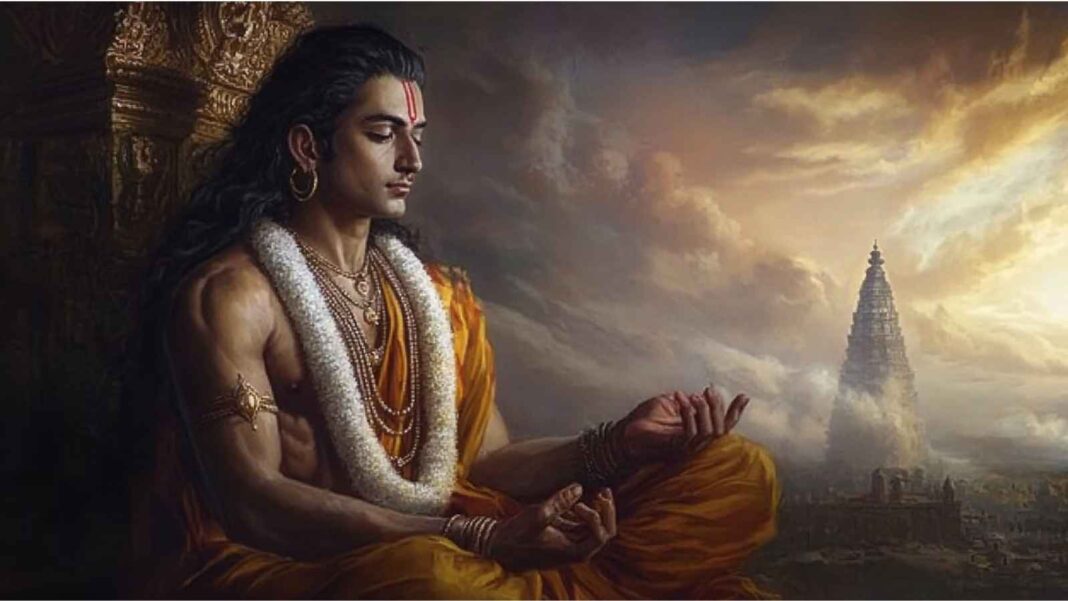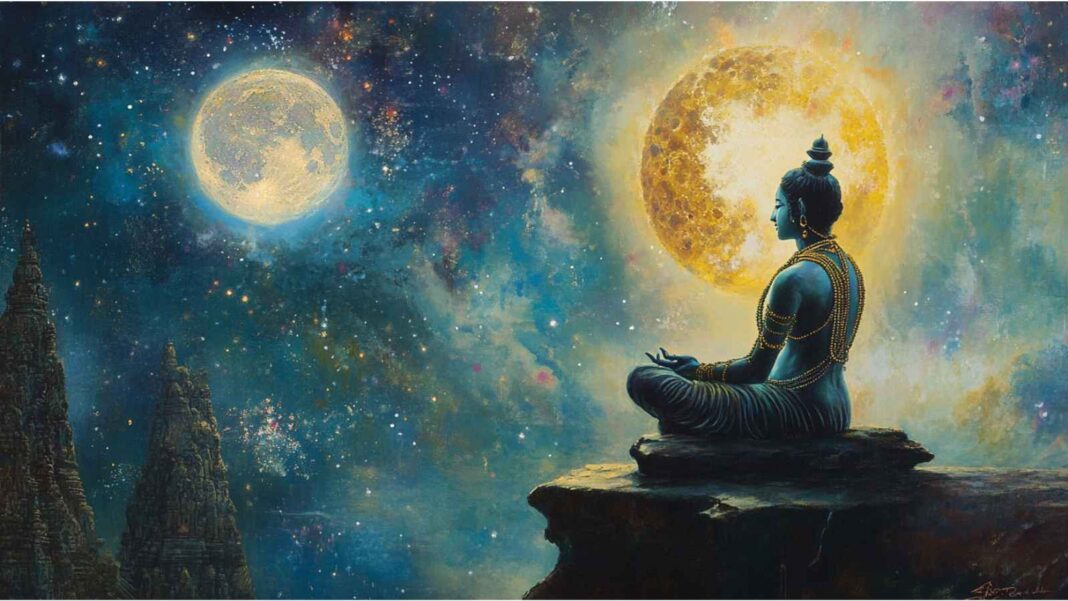

Hinduism’s rich tapestry of sacred knowledge is enshrined in its ancient scriptures. Among these, the Puranas stand out as comprehensive repositories of myth, history, and philosophical wisdom. The creation myths contained within the Puranas not only narrate the divine origins of the universe but also reveal a cosmic vision characterized by the endless cycles of creation, preservation, and destruction. This concept of cyclical time stands in stark contrast to the linear progression familiar to modern thought and has profound implications on spiritual practice, personal introspection, and even environmental stewardship.
Read More About sacred texts
In this extensive exploration, we dive into the symbolic meaning of these creation myths, examining how they articulate Hindu cosmology and the rhythmic cycles that govern the universe. We reveal how these ancient narratives—revered for their spiritual, philosophical, and ritual guidance—continue to inspire devotees, scholars, and seekers of wisdom in contemporary times.
Beyond the realm of sacred texts, this article also journeys to celebrated temples across India. Each temple, with its unique historical background, architectural finesse, and vibrant visitor experience, stands as a living embodiment of the cosmic principles laid out in the Puranas. From the lush hills of Assam to the sacred ghats of Varanasi and the divine artistry of Thanjavur, these sanctuaries offer a tangible connection to the eternal cycles described in ancient lore.
Join us in a voyage through time and space—a journey that melds the creation myths of the Puranas with the living, breathing heritage of India’s sacred temples. Whether you are a devoted practitioner, a curious traveler, or a scholar of ancient traditions, the insights presented here serve as a roadmap to understanding Hindu cosmology, the grandeur of cyclical time, and the eternal dance of creation and dissolution.
The Puranas: A Gateway to Cosmic Mysteries
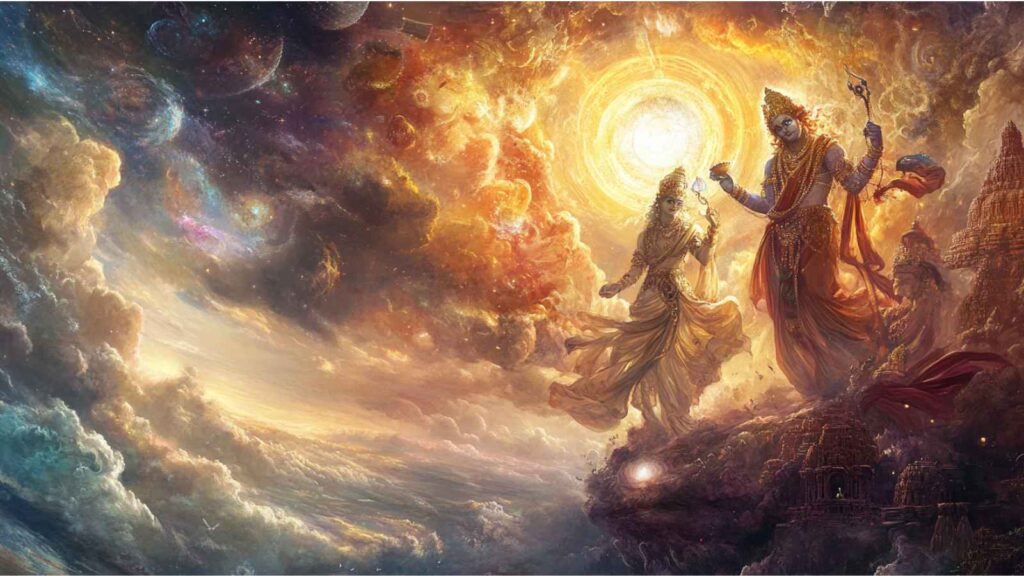
The Puranas are among the most influential texts in Hindu literature. They are revered not only as religious scriptures but also as philosophical treatises that explore the mysteries of life, the nature of the divine, and the workings of the cosmos.
Foundational Role of the Puranas
- Spiritual Guidance:
The Puranas are imbued with teachings on dharma (duty and righteousness), karma (cause and effect), and moksha (liberation). Through engaging narratives, they offer both ritualistic frameworks and philosophical insights that help guide individuals in their spiritual quests. - Philosophical Depth:
Creation myths in these texts are allegorical, rich in symbolism, and often address existential questions. They propose that time is not linear but cyclical—a concept reflected in the eternal cycles of creation, sustenance, and dissolution. - Ritual and Culture:
Beyond their narrative appeal, the Puranas inform the performance of daily rituals, seasonal festivals, and temple worship, binding communities with a shared spiritual heritage.
“In the Puranas, the cosmos is not born in a singular event but is rather an eternal cycle of creation and re-creation, echoing the rhythms of life itself.”
The Concept of Cyclical Time in Hindu Cosmology
Hindu cosmology, as detailed in the Puranic texts, presents an awe-inspiring view of time as cyclical rather than linear. This perspective holds that:
- Kalpas and Yugas:
Time is measured in vast epochs—kalpas (cosmic cycles) and yugas (ages)—which repeat infinitely. Each kalpa consists of cycles of creation and destruction, symbolizing the ephemeral nature of the material world yet the eternal nature of the cosmic order. - Creation, Preservation, and Destruction:
The interplay between these forces is personified by deities like Brahma (the creator), Vishnu (the preserver), and Shiva (the destroyer). Their coordinated dance—often depicted as Shiva Nataraja—symbolizes the rhythm of the cosmos and highlights the belief that destruction is a precursor to renewal. - Allegorical Interpretations:
These cycles are not merely mythological constructs but serve as metaphors for personal transformation, moral evolution, and the environmental rhythms that govern natural life.
“Cyclical time teaches us that every end is a beginning, and in the dance of creation and destruction, one finds the eternal continuity of life.”
Relevance in the Contemporary World
The ancient insights of cyclical time offer modern communities a framework to understand change, resilience, and renewal. In an age marked by rapid technological change, environmental challenges, and social upheavals, these concepts serve as:
- Inspiration for Personal Growth:
By recognizing that every dissolution paves the way for new creation, individuals are encouraged to embrace change and foster inner resilience. - Guidance for Sustainable Living:
The natural cycles reflected in Hindu cosmology resonate with ecological principles, promoting environmental stewardship and sustainable practices. - Cultural Harmony:
The universal themes embedded in these stories foster social coherence and intergenerational dialogue, underscoring the timeless nature of human experience.
Temples: Living Embodiments of Cosmic Principles
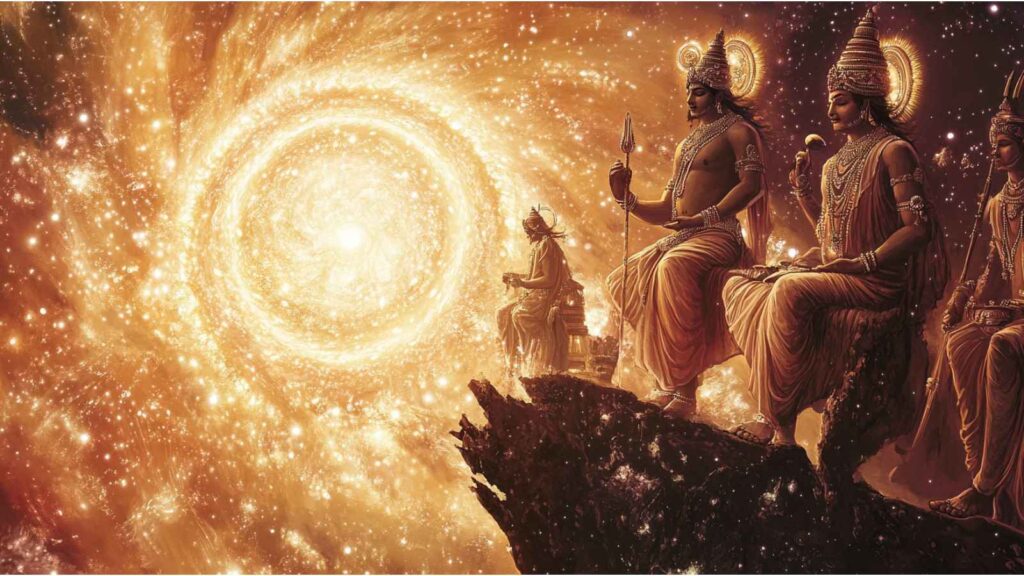
Temples across India not only serve as places of worship but also as architectural narratives of Hindu cosmology. They encapsulate the creation myths of the Puranas in stone, wood, and art. Below, we explore three remarkable temples that reflect these cosmic themes through their history, design, and spiritual ambiance.
1. Kamakhya Temple, Guwahati, Assam
Name and Exact Location
- Temple Name: Kamakhya Temple
- Location: Nilachal Hill, Guwahati, Assam, India
Coordinates: 26.1720° N, 91.7440° E
Historical Background
Kamakhya Temple is one of the oldest sanctuaries in India dedicated to the Divine Mother. Revered for its tantric traditions, the temple is intricately linked with creation myths where the Goddess represents primordial energy and fertility. Ancient texts cite this shrine as a site where the creative forces of nature and the cosmos converge, making it a powerful symbol of both birth and rebirth. Legends surrounding the temple recount that it sits on the very site where the yoni (womb) of the Goddess lies, symbolizing the source of cosmic creation.
Architectural Highlights
- Tantric Symbolism:
The design of Kamakhya Temple is steeped in tantric symbolism, with its labyrinthine corridors and mysterious altars representing the cyclical processes of birth, sustenance, and dissolution. Intricate carvings and murals narrate mythological episodes, while the sanctum sanctorum exudes a mystical aura. - Integration with Nature:
Positioned atop Nilachal Hill, the temple boasts panoramic views of the Brahmaputra River and lush surroundings. Its placement signifies the union of the terrestrial and the divine, encapsulating the cyclic process of creation powered by natural forces. - Artistic Detailing:
The red sandstone structure is adorned with elaborate sculptures depicting various facets of the Goddess, each representing different stages of cosmic manifestation.
Visitor Experience
- Spiritual Immersion:
Devotees visiting Kamakhya Temple are enveloped in a profound atmosphere of mysticism and spiritual fervor. The ambience is heightened during festivals like Ambubachi, when the temple becomes a beacon for spiritual rejuvenation. - Cultural Engagement:
Visitors can participate in rituals, view traditional performances, and learn about tantric practices through guided tours. The temple’s rich cultural heritage offers a glimpse into ancient Hindu cosmology. - Scenic Beauty:
The temple’s elevated position provides breathtaking views of the surrounding hills and river, enriching the pilgrimage with both spiritual and natural beauty.
2. Kashi Vishwanath Temple, Varanasi, Uttar Pradesh
Name and Exact Location
- Temple Name: Kashi Vishwanath Temple
- Location: Kashi (Varanasi), Uttar Pradesh, India
Coordinates: 25.3138° N, 83.0071° E
Historical Background
The Kashi Vishwanath Temple is one of the most sacred shrines dedicated to Lord Shiva, the deity associated with time, transformation, and cosmic cycles. Varanasi, often dubbed the spiritual capital of India, has been a cradle of divine knowledge and metaphysical wisdom for millennia. According to Puranic lore, Lord Shiva—often seen as the master of time—presides over the eternal cycle of creation and destruction. The temple’s history is replete with myths of divine intervention, miraculous events, and the perennial quest for moksha (liberation).
Architectural Highlights
- Cosmic Design Elements:
The temple’s architecture is a blend of ancient symbolism and refined artistry. Its spires and domes are designed to mimic the cosmic axis, connecting the earthly realm with the divine universe. Carvings and sculptures along the temple walls vividly illustrate tales of creation and the cyclical nature of time. - Sacred Ambience:
The sanctum sanctorum of Kashi Vishwanath is designed to evoke the presence of Lord Shiva as the destroyer and regenerator. The use of gold, intricate detailing, and sacred motifs creates an atmosphere that reflects the infinite cycles of time. - Metaphoric Layout:
The arrangement of shrines and corridors is intentionally designed to take the devotee on a journey akin to the cosmic cycle—beginning with the mundane, rising to the divine, and ultimately signifying the dissolution of ego.
Visitor Experience
- Spiritual Odyssey:
Pilgrims visiting Kashi Vishwanath experience a deep sense of connection with the cosmic rhythms of time. The Ganga Aarti performed on the ghats of Varanasi further amplifies the spiritual aura, as the sacred river symbolizes continuous flow and renewal. - Cultural Richness:
Varanasi is a melting pot of traditions, art, and education. Visitors can explore ancient manuscripts, attend evening discourses on Hindu philosophy, and partake in ritualistic bathing in the Ganges. - Historical Continuity:
The temple stands as a testament to millennia of history, with every stone narrating stories of divine lore, cosmic cycles, and the eternal nature of time.
3. Brihadeeswarar Temple, Thanjavur, Tamil Nadu
Name and Exact Location
- Temple Name: Brihadeeswarar Temple
- Location: Thanjavur, Tamil Nadu, India
Coordinates: 10.7867° N, 79.1375° E
Historical Background
Brihadeeswarar Temple is a masterpiece of Chola architecture, built during the reign of Raja Raja Chola I in the 11th century. While primarily dedicated to Lord Shiva, this temple also symbolizes the cyclical nature of time and the divine orchestration of the cosmos. The massive temple complex reflects the grandeur of a period when art, architecture, and theology converged to celebrate the cosmic order as described in the Puranas. The temple’s creation is itself a metaphor—an eternal monument built in tribute to the divine dance of creation and destruction.
Architectural Highlights
- Monumental Scale:
The Brihadeeswarar Temple is famous for its towering vimana (temple tower), which rises majestically against the sky, symbolizing the infinite nature of time and space. The intricate sculptures and frescoes engraved on its walls tell stories of cosmic battles, divine interventions, and mythological events. - Sculptural Narratives:
Every relief and carving is an artistic representation of Hindu cosmology. The temple’s detailed iconography serves as an allegory for the cyclical processes of the universe—each section of the temple stands as a chapter in the cosmic chronicle. - Engineering Marvel:
The precise geometric alignment and astronomical significance embedded in the temple’s design highlight the advanced understanding ancient architects had of the cosmos, further affirming the cyclical nature of time.
Visitor Experience
- Immersive History:
Visitors to Brihadeeswarar Temple are treated to a deep dive into ancient history and the artistic expression of cosmic themes. The sheer scale of the structure and its intricate details evoke a sense of awe and respect for the ancient traditions. - Cultural Programs:
The temple often hosts cultural performances, classical music concerts, and dance recitals that celebrate its historical and religious significance, providing insights into the rich traditions of Tamil heritage. - Scenic and Spiritual Journey:
The temple complex is designed to facilitate a meditative experience, where every step—from the expansive courtyards to the sanctum—resonates with the pulsating rhythm of cosmic time and creation.
Unraveling the Creation Myths: Symbolism and Allegory
Themes in the Puranic Creation Myths
The creation myths detailed in the Puranas are deeply layered and multi-dimensional. Key themes include:
- Emergence from the Cosmic Egg:
Many Puranic narratives describe the universe as emerging from a cosmic egg or “Brahmanda”—a symbol representing the potentiality of all existence. This imagery encapsulates the idea that the universe is a boundless sphere of infinite possibilities, gradually unfolding through cycles of manifestation. - The Role of Divine Forces:
Deities such as Brahma, Vishnu, and Shiva are not merely figures of worship but represent fundamental forces that govern the cosmos. Their interplay—creation, preservation, and dissolution—forms the cornerstone of cyclical time, emphasizing that every end is a precursor to a new beginning. - Cosmic Order and Dharma:
The underlying message of these myths is the maintenance of cosmic order (dharma) against the forces of chaos. This balance mirrors the eternal dance of time, where moral and ethical order are continuously re-established.
“The creation myths of the Puranas remind us that the universe operates in cycles—each cycle a symphony of birth, growth, decay, and rebirth.”
Philosophical Reflections on Cyclical Time
- Personal and Collective Renewal:
The notion of cyclical time offers solace to those undergoing personal transformation. It suggests that setbacks or endings are temporary and that every phase of life is an opportunity for renewal and evolution. - Environmental Parallels:
Nature itself is an embodiment of cyclical time—the changing seasons, the lunar phases, and the rhythmic patterns of life echo the ancient Puranic visions of continuous creation and regeneration. - Ethical and Spiritual Dimensions:
By understanding time as cyclical, individuals are encouraged to live in accordance with natural rhythms, fostering attitudes of sustainability, patience, and acceptance of life’s transitory nature.
Integrating Ancient Wisdom with Modern Life
Bridging Sacred Texts and Contemporary Practice
The wisdom of the Puranas transcends time and continues to offer valuable lessons for today’s world:
- Mindfulness and Meditation:
The cyclical vision of time can be a powerful metaphor for mindfulness practices. Meditation on the eternal cycles of nature helps individuals connect with the rhythm of life, fostering inner peace and resilience. - Creative Expression:
Artists, writers, and musicians often draw inspiration from these creation myths. Whether through visual art, dance, or literature, the allegorical narratives of the Puranas serve as a catalyst for creative expression. - Social and Environmental Harmony:
The realization that every end heralds a new beginning can inspire sustainable practices and ethical decision-making, encouraging a harmonious relationship with both society and the environment.
Educational and Cultural Outreach
Modern initiatives that focus on the dissemination of ancient wisdom play a crucial role in keeping these traditions alive:
- Workshops and Seminars:
Many institutions and cultural centers organize educational programs that explore the philosophical and scientific dimensions of Hindu cosmology. - Digital Archives and Online Resources:
The digitization of sacred texts and interactive platforms allow a global audience to explore the profound insights of the Puranas, ensuring that this heritage is not only preserved but also celebrated.