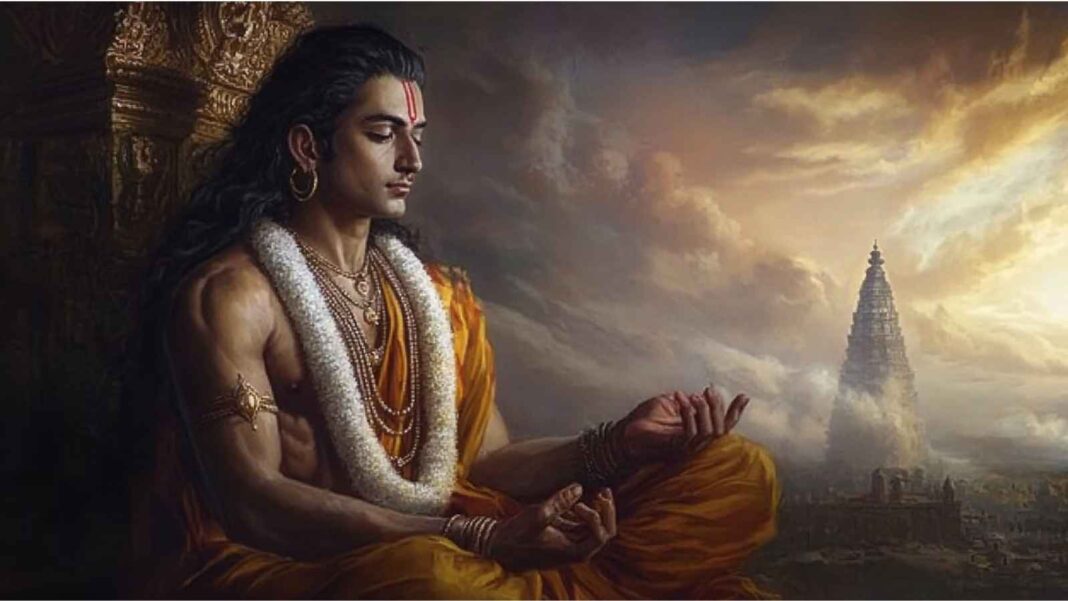
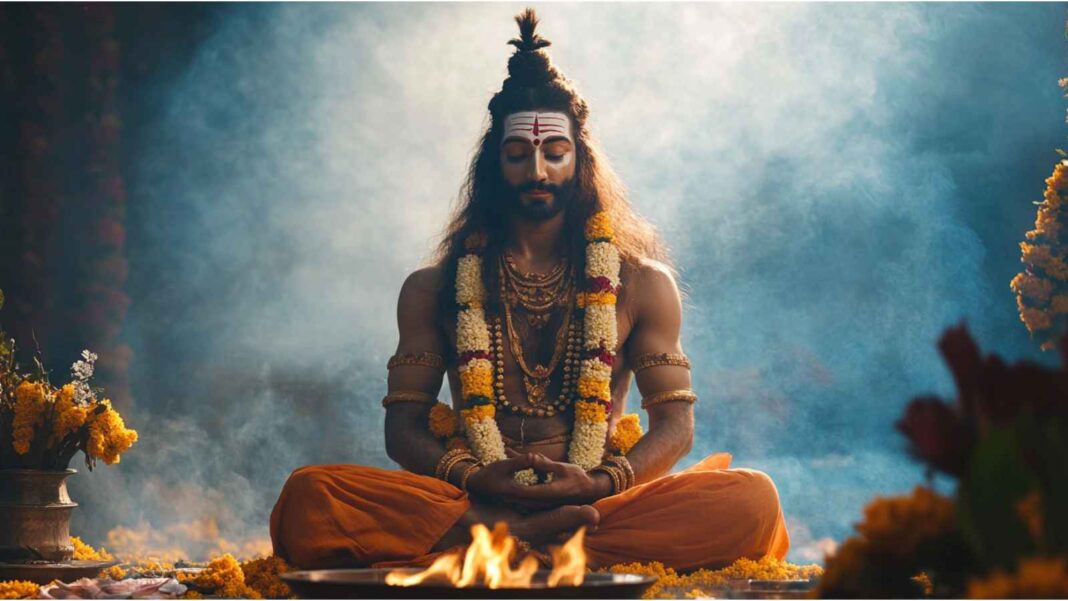
Hinduism, as a dynamic and evolving faith, has long provided guidance for every facet of life through its diverse philosophies, rituals, and sacred texts. One of its foundational concepts, Varnashrama Dharma, outlines a comprehensive social order based on an intricate division of society and stages of life. This concept not only established the framework for personal spiritual development but also organized the socio-economic and ethical fabric of ancient India.
The idea of Varnashrama Dharma is deeply interwoven with ancient scriptures revered for their spiritual, philosophical, and ritual guidance. Texts such as the Vedas, Upanishads, Manusmriti, and Bhagavad Gita have laid the philosophical groundwork for understanding this social order, prescribing duties and responsibilities meant to balance individual development with societal needs. As ancient wisdom meets modern discourse, scholars and practitioners alike continue to explore its historical evolution and contemporary relevance.
Read More About sacred texts
This article offers a comprehensive journey through the evolution of Varnashrama Dharma. We will delve into its scriptural origins, trace its historical development, and examine modern reinterpretations that seek to harmonize age-old wisdom with today’s values. In addition, we spotlight temple experiences—living embodiments of spiritual and cultural heritage—that illustrate the tangible presence of these ancient principles in contemporary life. Each temple profile includes the temple’s name with its exact location, historical background, architectural highlights, and visitor experience, providing a holistic view of how the sacred legacy endures through time.
I. The Historical Evolution of Varnashrama Dharma

A. Origins in Sacred Scriptures
The concept of Varnashrama Dharma finds its roots in the ancient Vedic texts, which outline the cosmic order and delineate the duties of individuals based on their position in society. The term itself combines two distinct but interrelated dimensions:
- Varna (Caste/Class): Traditionally, society was categorized into four primary groups—Brahmins (priests and teachers), Kshatriyas (warriors and rulers), Vaishyas (merchants and farmers), and Shudras (laborers and service providers). This classification, while a subject of debate in modern contexts, was originally intended to organize society so that each group could fulfill its designated role.
- Ashrama (Stages of Life): In parallel, life was segmented into four stages—Brahmacharya (student life), Grihastha (householder), Vanaprastha (retired or forest-dweller), and Sannyasa (renunciation). These stages provided individuals with a roadmap for personal and spiritual development.
Revered scriptures like the Manusmriti and the Bhagavad Gita present these frameworks as both a societal guide and a spiritual journey. They articulate the notion that by adhering to one’s duty (dharma), an individual contributes to cosmic order and attains spiritual progression. As the ancient texts emphasize, the fulfillment of individual duties is not merely a worldly obligation—it is a sacred act in itself.
“Each individual must perform the duty assigned by their nature, contributing to the harmonious order of the universe.”
[]
B. The Role of Foundational Scriptures
Foundational scriptures provide the intellectual and ethical basis for Varnashrama Dharma. The Vedas reveal profound insights on ritual, cosmology, and moral order; the Upanishads deepen the inquiry into the nature of reality and self; while the Manusmriti codifies societal rules that include varna and ashrama ideals. Collectively, these texts serve as blueprints for living a life aligned with divine order—an endeavor that unites spirituality and governance.
Key elements from these scriptures include:
- Spiritual Guidance: They advocate for living a life devoted to dharma, where every action is imbued with higher purpose and accountability.
- Philosophical Depth: By articulating the interconnectedness of life, the texts encourage individuals to pursue knowledge, self-awareness, and moral righteousness.
- Ritualistic Practice: Structured rituals reinforce the cyclical nature of life, affirming the importance of both external duty and inner growth.
Through centuries, the philosophical underpinnings of Varnashrama Dharma have evolved. While early interpretations focused on maintaining social order, modern scholarship recognizes the need to reinterpret these ancient concepts in a manner that is both respectful of tradition and responsive to contemporary issues.
C. Evolution Through the Ages
Historically, the application of Varnashrama Dharma underwent significant transformations:
- Ancient Period: The system was initially designed to ensure social harmony. Each varna was entrusted with responsibilities that complemented the broader cosmic order, fostering a balanced society.
- Medieval Period: With the rise of regional kingdoms and varying socio-political influences, local customs integrated and modified these norms. Temples emerged as centers for cultural synthesis, transforming abstract principles into lived traditions.
- Modern Era: Contemporary views critically examine the relevance of Varnashrama Dharma in today’s pluralistic society. While some modern interpretations advocate for a reformed understanding that upholds social equity and justice, others emphasize the spiritual essence behind duty and self-realization.
In today’s context, many scholars argue that although the strict hierarchical interpretations should evolve, the fundamental essence—duty, service, and spiritual progression—remains profoundly relevant. By transcending its historical confines, Varnashrama Dharma continues to inspire ethical leadership, community service, and personal growth.
II. Modern Interpretations and Relevance
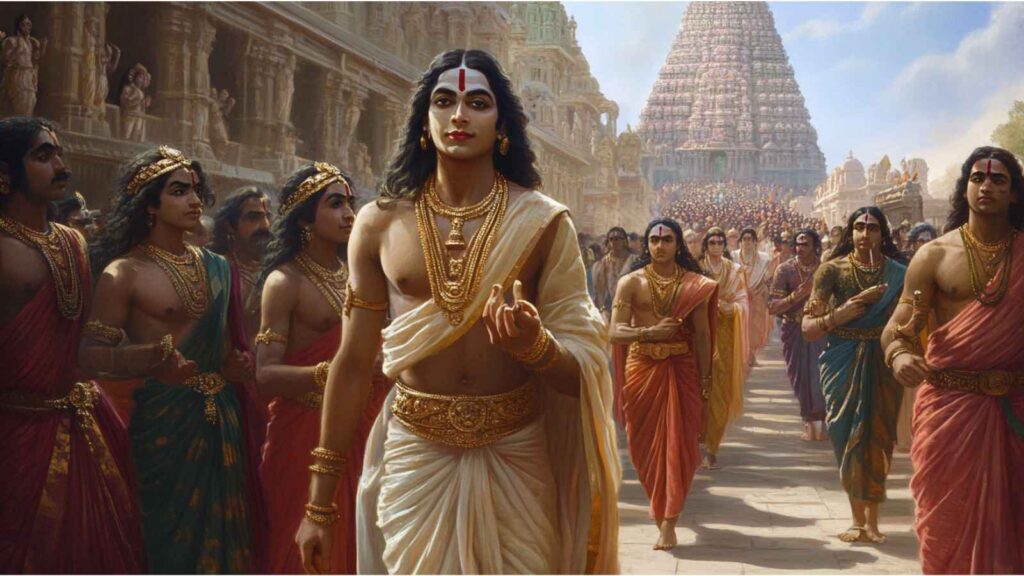
A. Contemporary Reinterpretations
Modern society grapples with complex issues surrounding caste, identity, and social justice. In this milieu, Varnashrama Dharma is re-examined through various lenses:
- Social Reform and Equality: Progressive thinkers reinterpret the concept by emphasizing individual merit and ethical behavior over rigid caste boundaries. They advocate that the true spirit of dharma lies in fulfilling one’s duty with sincerity, irrespective of social status.
- Spiritual Autonomy: Modern spiritual teachers often highlight that the ashrama system—detailing the stages of life—is a tool for personal evolution rather than a means to enforce social stratification. This perspective encourages adherents to focus on inner transformation and spiritual enlightenment.
- Cultural Synthesis: By integrating ancient wisdom with modern values, contemporary interpretations celebrate the ideals of duty and service while rejecting discrimination. This synergy helps to foster a more inclusive and dynamic social order.
Scholars and community leaders alike have noted that the moral essence of Varnashrama Dharma can serve as a guiding principle for ethical decision-making. Its emphasis on duty, accountability, and balanced living finds resonance in modern discussions on civic responsibility and social ethics.
B. Philosophical and Ethical Dimensions
At its core, Varnashrama Dharma underscores that personal duty is integral to the functioning of society. Some key ethical dimensions include:
- Duty and Responsibility: Every individual is encouraged to embrace their unique role and contribute to the collective welfare. This sense of duty—beyond legal obligations—is deemed essential for spiritual progress.
- Self-realization and Liberation: The ashrama concept delineates life stages that nurture both worldly success and inner enlightenment. From diligent studenthood to the reflective phase of renunciation, each stage is viewed as a stepping stone toward self-realization.
- Community and Belonging: Although modern reforms question the rigidity of caste hierarchies, the communal essence of Varnashrama Dharma endures. Social cohesion is maintained through shared rituals, ethical codes, and cultural celebrations, fostering a sense of belonging among adherents.
The interplay between these ethical and philosophical dimensions continues to shape discussions on identity, governance, and spirituality. In an era marked by rapid social change, revisiting these ancient ideals provides both a critical perspective and a source of timeless wisdom.
C. Integrating Ancient Wisdom with Modern Life
Many contemporary institutions and community initiatives echo the spirit of Varnashrama Dharma:
- Educational Reforms: Progressive curricula incorporate lessons on ethical living and personal duty, drawing inspiration from ancient texts without compromising modern values.
- Civic Engagement: Volunteer initiatives and community service programs channel the traditional concept of duty into actionable social support, encouraging citizens to actively contribute to their communities.
- Spiritual Retreats: Modern ashrams and spiritual centers emphasize the ashrama stages as pathways to inner growth. These retreats provide spaces for meditation, self-reflection, and scholarly discussion, thus reinforcing the timeless relevance of ancient wisdom.
In doing so, modern interpretations of Varnashrama Dharma reveal its enduring adaptability. While its historical context might be rooted in an ancient social structure, the principles of duty, service, and personal evolution remain vital components of ethical leadership and social harmony today.
III. Temples: Living Testaments to Varnashrama Dharma
Temples in India not only serve as places of worship but also as dynamic centers where ancient spiritual principles are practiced and celebrated. They are living embodiments of the values of Varnashrama Dharma, offering a tangible connection to sacred scriptures through art, architecture, and ritual. Below, we present two temple profiles that illustrate this integration of tradition and modernity.
A. Temple Profile 1: Varnashrama Dharma Temple, Varanasi, Uttar Pradesh, India
1. Name and Exact Location
Varnashrama Dharma Temple
Location: Assi Ghat Area, Varanasi, Uttar Pradesh, India
2. Historical Background
Nestled in one of the world’s most sacred cities, the Varnashrama Dharma Temple stands as a testament to the enduring legacy of ancient Hindu thought.
- Legend and Lineage: Founded centuries ago, the temple has long been associated with the teachings of Varnashrama Dharma. It was established by learned sages and spiritual reformers who sought to integrate the ethical mandates of ancient scriptures with everyday practice.
- Cultural Significance: Over time, the temple evolved into an important center for philosophical debate and religious discourse. Its history is closely tied to the intellectual currents of Varanasi, where scholars and devotees gather to contemplate sacred texts and celebrate the harmony of duty and devotion.
“In the sacred streets of Varanasi, every stone whispers tales of ancient wisdom and the eternal pursuit of dharma.”
[]
3. Architectural Highlights
The temple’s architecture serves as a visual narrative of Varnashrama Dharma itself—a synthesis of form, function, and spiritual symbolism:
- Ornate Facade: Featuring intricate carvings that depict scenes from Vedic lore, the temple facade is a canvas of ancient art. Symbolic motifs illustrate the cyclical stages of life, from youthful aspirations to contemplative renunciation.
- Mandapa and Sanctum: The main hall (mandapa) is spacious and designed to facilitate community gatherings and educational sessions. Adjoining this is the sanctum sanctorum, where deities representing wisdom, duty, and cosmic order are enshrined.
- Inscriptions and Sculptures: Ancient inscriptions and sculptural art adorn the walls, providing historical context and enhancing the narrative of duty and spiritual evolution inherent in Varnashrama Dharma.
4. Visitor Experience
Visitors to the Varnashrama Dharma Temple are immersed in an environment where ancient teachings meet modern devotion:
- Spiritual Ambience: A serene atmosphere coupled with the soothing sound of devotional chants sets the tone for introspection and learning.
- Guided Tours: Knowledgeable guides and priests offer detailed tours, explaining the temple’s symbolic features and their connections to the principles of Varnashrama Dharma.
- Educational Workshops: Regular workshops and discussion sessions explore topics ranging from ancient scriptures to contemporary societal reforms, making the temple a live classroom for ethical and spiritual inquiry.
- Cultural Festivals: The temple hosts seasonal festivals celebrating sacred texts, traditional music, and dance, creating a vibrant cultural mosaic that reflects the holistic nature of Hindu spirituality.
5. AI Image Creation Reference
For an AI-generated image that captures the essence of the Varnashrama Dharma Temple in Varanasi, consider this prompt:
“Create a digital painting of an ancient stone temple located near the banks of the Ganges in Varanasi, featuring intricate carvings, a spacious mandapa, and soft, ethereal lighting evoking spiritual tranquility and historical depth.”
B. Temple Profile 2: Dharmashrama Mandir, Pushkar, Rajasthan, India
1. Name and Exact Location
Dharmashrama Mandir
Location: Main Street, Pushkar, Rajasthan, India
2. Historical Background
The Dharmashrama Mandir in Pushkar is renowned not only for its devotion but also for its role in preserving and promoting the principles of Varnashrama Dharma:
- Origins and Patronage: Founded in the early medieval period by eminent scholars and local leaders, the temple was established as a center to disseminate the teachings of duty and ethical living as described in ancient scriptures.
- Cultural Hub: Over the centuries, the temple has become synonymous with religious reform and intellectual exchange. It has hosted scholars, saints, and reformers who have contributed to its legacy as a beacon of spiritual knowledge and social responsibility.
“The Dharmashrama Mandir stands as a timeless reminder that true duty transcends eras and adapts to the needs of every generation.”
[]
3. Architectural Highlights
Combining the vibrancy of Rajasthani aesthetics with subtle spiritual symbolism, the Dharmashrama Mandir is a treasure trove of artistic heritage:
- Exquisite Rajasthani Detailing: The temple façade boasts vibrant frescoes, ornamental arches, and meticulously carved pillars. Each element is crafted to highlight the sanctity and cultural richness of the region.
- Spacious Courtyard: At the heart of the temple lies an expansive courtyard adorned with traditional motifs and reflective water features. This open space fosters communal gatherings, meditation, and cultural events.
- Artistic Sculptures: Statues of revered figures and sages complement the architectural splendor. These sculptures not only pay homage to spiritual luminaries but also serve as a constant reminder of the virtues of duty and sacrifice.
4. Visitor Experience
A visit to the Dharmashrama Mandir in Pushkar offers an immersive and enriching cultural experience:
- Engaging Rituals: Visitors are welcomed with traditional rituals that blend music, dance, and storytelling, effectively conveying the temple’s historical and spiritual narratives.
- Interactive Learning: The temple regularly organizes interactive sessions and lectures that delve into the core philosophies of Varnashrama Dharma. These sessions encourage debates and discussions, creating a dynamic dialogue between ancient texts and modern interpretations.
- Cultural Immersion: The lively bazaars, local craft displays, and community festivals held in the temple vicinity further enrich the visitor experience, ensuring that every visit transcends mere observation.
- Serenity and Reflection: Amidst the bustling atmosphere of Pushkar, the temple remains a quiet haven for meditation and inner reflection—a sanctuary where tradition meets tranquility.
5. AI Image Creation Reference
To generate an image reflecting the rich cultural and spiritual ethos of Dharmashrama Mandir, use the following prompt:
“Generate an image of a traditional Rajasthani temple set in Pushkar, with vibrant frescoes, intricately carved arches, a spacious central courtyard with water features, and gentle sunlight illuminating the detailed sculptures, evoking a sense of ancient wisdom and spiritual calm.”
IV. The Broader Significance of Varnashrama Dharma in Hindu Philosophy
A. Cultural and Spiritual Dimensions
Varnashrama Dharma is much more than a social or legal framework; it encapsulates a vision of life that harmonizes personal growth with communal responsibilities:
- Interconnected Duties: At its heart lies the belief that every individual, regardless of social position, has intrinsic responsibilities that contribute to the universal order (dharma).
- Spiritual Evolution: The division of life into distinct stages encourages continuous learning and self-improvement. It underscores the importance of renunciation after fulfilling worldly duties, paving the way for spiritual liberation.
- Social Cohesion: By clearly delineating roles, Varnashrama Dharma once provided a means to create balanced, self-sustaining communities where diversity of function was essential for collective well-being.
These dimensions are preserved in ancient scriptures and continue to inspire ethical practices and community building in modern times.
B. The Impact of Sacred Texts
Sacred texts have been the carriers of these profound ideas:
- Vedic Literature and Upanishads: These texts speak to the eternal law of the universe and provide insights into the nature of reality and human purpose.
- Manusmriti and Dharmashastra Texts: Codified guidelines in these texts served as early blueprints for maintaining order, emphasizing that an individual’s duty was both a personal and a cosmic mandate.
- Bhagavad Gita: Perhaps the most popular scripture that reinterprets duty through the lens of devotion and selfless action (karma yoga), stressing that true fulfillment arises when one transcends personal desires for the greater good.
These texts remain cornerstone references in understanding not only the metaphysical aspects of Varnashrama Dharma but also its practical implications on day-to-day living.
C. Relevance in Contemporary Society
Modern interpretations continue to draw from this ancient wisdom even as they evolve:
- Ethical Leadership: In today’s complex world, many leaders and reformers refer to the ethical dimensions of Varnashrama Dharma to guide decisions in business, politics, and social work.
- Community Development: Urban planners and community organizers have also found resonance with the principles of balanced responsibility, encouraging practices that promote collective well-being.
- Spiritual Movements: Countless modern ashrams and spiritual centers around the world adopt the model of the ashrama system to foster personal evolution alongside community service.
In these ways, ancient doctrines are recontextualized, ensuring that their core values—duty, justice, and spiritual growth—remain relevant for modern seekers.
V. Integrating the Past with the Future: Temple Experiences as Living Legacies
Temples across India serve as dynamic portals that link the ancient philosophy of Varnashrama Dharma with modern lifestyles. They provide not only spaces for ritualistic worship but also venues for education, cultural exchange, and social engagement.
A. Bridging History and Modernity
- Educational Platforms: Many temples host seminars, workshops, and discussion groups that unpack the intricate layers of ancient scriptures and relate them to current societal challenges.
- Cultural Festivals: Annual celebrations held at these temples reintroduce time-honored traditions to contemporary audiences, ensuring that heritage continues to thrive through public participation.
- Interactive Experiences: Guided tours and multimedia exhibits offer visitors a window into the rich narratives of ancient social structures and the evolution of duty—from ceremonial practices to the modern quest for social justice.
B. Testimonials and Reflections
Devotees and scholars alike have provided testimonials that underscore the importance of these sacred spaces:
- “Visiting the temple in Varanasi is like stepping into a living manuscript where every carving whispers the ancient tales of duty and devotion.” []
- “At Dharmashrama Mandir, one feels the palpable energy of age-old traditions interwoven with the hopes of a modern community striving for balance and harmony.” []
These narratives not only reinforce the spiritual appeal of the temples but also underline the transformative power of ancient scriptures when experienced in a setting that transcends time.
VI. Concluding Thoughts
The journey of Varnashrama Dharma from its sacred origins to its modern reinterpretations encapsulates the living spirit of Hindu philosophy. While the ancient scriptures articulate profound legal, ethical, and spiritual ideals, their true essence comes to life in the everyday expressions of temples, community service, and personal duty.
Varnashrama Dharma reminds us that fulfilling one’s role in society isn’t merely a matter of social obligation—it is a pathway to personal evolution and spiritual enlightenment. Whether approached through scholarly debate, cultural celebrations, or quiet moments of meditation within ancient temple halls, these ideals continue to inspire communities across the world.
As we navigate the complexities of modern life, revisiting the lessons of Varnashrama Dharma provides us with a renewed sense of purpose. It challenges us to balance our worldly ambitions with an enduring commitment to ethical living and social justice. In doing so, we honor a tradition that has shaped centuries of thought and practice—a tradition that remains as relevant today as it was in the dawn of civilization.
Through our exploration of ancient texts and immersive temple experiences, we recognize that the timeless principles of duty, responsibility, and spiritual renewal are not relics of the past. They are dynamic tools that can transform lives, communities, and ultimately, our shared future.