


Bhajan: The Melodic Devotion in Hindu Worship
Hinduism has long celebrated devotion through music and poetry. At the heart of this tradition is Bhajan—a devotional song or hymn sung in praise of the Divine. Bhajans have served as a powerful medium for spiritual expression and community bonding, enabling devotees to connect with the sacred through rhythm, melody, and heartfelt lyrics. This timeless practice is deeply rooted in ancient scriptures and cultural traditions, where the act of singing not only inspires the soul but also transforms everyday life into an act of worship.
Read More About Deities And Gods
In this comprehensive guide, we delve into the origins, philosophy, and spiritual significance of bhajan as prescribed in foundational texts such as the Vedas, Upanishads, and various Puranas. We also explore how bhajans are interwoven into temple worship across India by examining the historical background, architectural splendor, and visitor experiences at some of the country’s most revered temples. To complement this exploration, we provide creative AI image prompt ideas and a detailed framework for citations and references—ensuring your content is optimized for search engines and engaging for readers.
1. The Spiritual and Philosophical Foundations of Bhajan

1.1 Scriptural Roots and Devotional Guidance
The practice of singing devotional hymns has ancient origins in Hinduism. Foundational scriptures emphasize the transformative power of sound and music:
- Vedas and Brahmanas:
The Vedas, particularly the Rigveda and Yajurveda, include hymns and chants that served as early forms of bhajans. These texts reveal how the recitation of sacred sounds was believed to invoke divine energies and create an atmosphere conducive to spiritual awakening. The Brahmanas elaborate on these rituals, explaining the significance of melody and intonation in invoking Agni (fire) and other deities. - Upanishads:
The Upanishads introduce the concept of Nada Brahman—the idea that the ultimate reality (Brahman) is expressed through sound. In this context, bhajan becomes a way to experience the cosmic sound vibration and achieve oneness with the Divine. - Puranas and Bhakti Literature:
Later texts, including various Puranas and devotional compositions (bhakti poetry), celebrate the power of bhajans as expressions of love and surrender. Composers like Tulsidas, Surdas, Mirabai, and Tukaram used bhajans to spread messages of devotion and social harmony, making these hymns accessible to the common people. The Bhakti movement emphasized that heartfelt devotion expressed through bhajans is a direct path to liberation (moksha).
1.2 The Transformative Power of Bhajan
Bhajan is not just about music—it is a holistic practice that engages the body, mind, and spirit:
- Spiritual Upliftment:
Singing bhajans calms the mind and opens the heart. The rhythmic repetition of sacred verses creates a meditative state that helps in dissolving the ego and fostering a deeper connection with the Divine. - Emotional Healing:
The melodic nature of bhajans has a soothing effect on emotions. Whether in times of joy or sorrow, the act of singing helps restore inner balance and brings a sense of peace. - Community and Unity:
Group bhajan sessions create a sense of belonging and collective energy. When devotees sing together, the shared experience amplifies devotion and reinforces communal bonds. - Cultural Expression:
Bhajans have been a medium for preserving regional languages, traditions, and folklore. They continue to evolve, blending ancient melodies with contemporary influences, yet their essence remains unchanged—a call to the Divine.
Heinrich Zimmer beautifully encapsulated the power of bhajan when he said, “Music is the divine language through which the soul communicates with the cosmos.” This sentiment lies at the very core of bhajan practice.
2. Bhajan in Temple Worship: A Journey Through Sacred Spaces
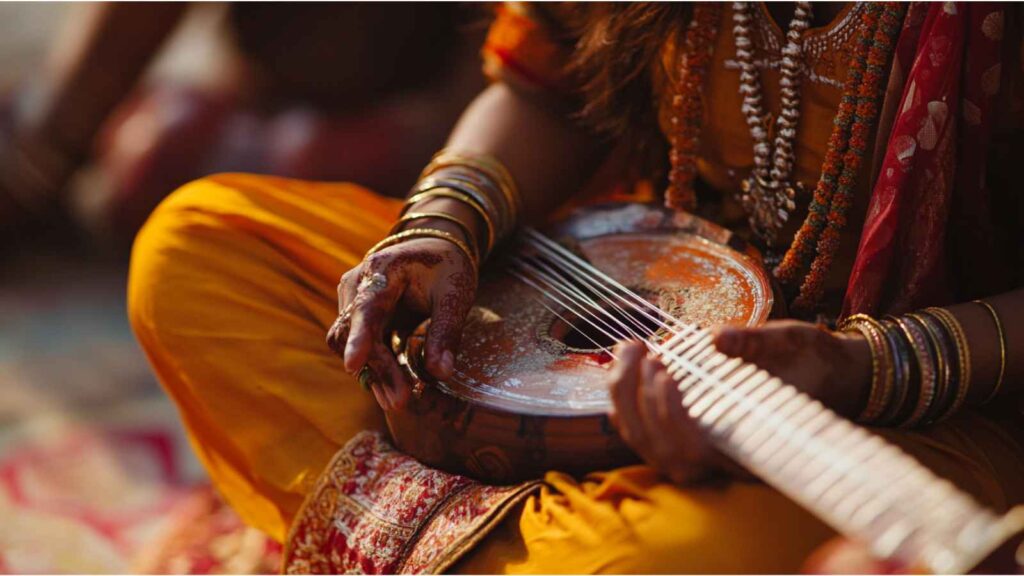
Temples are the epicenters of devotional activity in Hinduism, where bhajans are sung daily as an integral part of the worship experience. Below, we explore four iconic temples where bhajan takes on a life of its own—each offering a unique blend of history, architecture, and spiritual ambiance.
2.1 Kashi Vishwanath Temple, Varanasi
Location: Varanasi, Uttar Pradesh, India
Historical Background
Kashi Vishwanath Temple is one of the most sacred shrines dedicated to Lord Shiva, located in the ancient city of Varanasi. Known as one of the holiest cities in Hinduism, Varanasi is steeped in myth and tradition, and the temple itself is mentioned in numerous Vedic texts and Puranas. Over centuries, the temple has been rebuilt and renovated by various dynasties, each contributing to its mystique and enduring spiritual legacy.
Architectural Highlights
- Nagara-Style Splendor:
The temple features classic Nagara-style architecture, characterized by its imposing spires (shikharas) and intricate stone carvings that depict mythological scenes and divine narratives. - Sacred Circumambulatory Paths:
The design of the temple includes well-defined pradakshina paths (circulation paths) that enable devotees to perform circumambulation while singing bhajans, reinforcing the cyclical nature of life. - Illuminated Ambiance:
During evenings, the temple is aglow with hundreds of oil lamps, creating a mesmerizing backdrop for devotional singing and bhajan sessions.
Visitor Experience
Visitors to Kashi Vishwanath Temple are enveloped in an atmosphere of profound spirituality. The sound of continuous bhajans, coupled with the rhythmic tolling of temple bells and the gentle flow of the Ganges, creates a sensory-rich experience that transports devotees to a higher state of consciousness. Many pilgrims join in communal bhajan sessions, finding that the collective energy magnifies their personal devotion.
AI Image Prompt for Kashi Vishwanath Temple
- Prompt: “Generate a digital painting of Kashi Vishwanath Temple at dawn with devotees engaged in group bhajan along the circumambulatory path. Emphasize the glowing lamps, intricate carvings, and the serene flow of the Ganges.”
- Credit: Inspired by traditional Indian temple art and rendered using modern digital techniques.
2.2 Meenakshi Amman Temple, Madurai
Location: Madurai, Tamil Nadu, India
Historical Background
The Meenakshi Amman Temple is a monumental shrine dedicated to Goddess Meenakshi (an avatar of Parvati) and her consort Sundareswarar (a form of Shiva). With a history that spans over a thousand years, the temple has been a vital center for Tamil devotional culture. It has been patronized by various dynasties, including the Pandya and Nayak rulers, who enriched its spiritual and cultural legacy through elaborate rituals and daily bhajan sessions.
Architectural Highlights
- Dravidian Architecture:
The temple is renowned for its towering gopurams (gateway towers) that are richly adorned with colorful sculptures and intricate carvings depicting deities, legends, and mythological narratives. - Expansive Courtyards and Mandapas:
The sprawling complex includes vast courtyards and pillared halls where bhajans are sung with great fervor. The open spaces allow the echoes of devotional songs to resonate deeply. - Vibrant Decorative Details:
Every corner of the temple is a visual feast, from the finely detailed murals to the ornate carvings on columns and ceilings, which together create an environment that is both inspiring and conducive to spiritual practice.
Visitor Experience
A visit to Meenakshi Amman Temple is an immersive experience that combines history, art, and devotion. Devotees gather in large numbers to participate in bhajan sessions, especially during festivals when the temple is illuminated by countless lamps and the air is filled with the sound of traditional instruments. The vibrant colors and dynamic energy of the temple create an atmosphere of celebration and deep reverence, making it a must-visit destination for spiritual seekers.
AI Image Prompt for Meenakshi Amman Temple
- Prompt: “Design a digital illustration of Meenakshi Amman Temple during an evening bhajan session. Showcase the colorful gopurams, detailed carvings, and the lively congregation in the temple courtyard under a soft, festive glow.”
- Credit: Based on traditional South Indian temple art and modern digital illustration styles.
2.3 Srirangam Ranganathaswamy Temple, Srirangam
Location: Srirangam, Tiruchirappalli district, Tamil Nadu, India
Historical Background
Srirangam Ranganathaswamy Temple is one of the largest functioning Vaishnavite temples in India and a major center of devotional practice. Dedicated to Lord Ranganatha, a reclining form of Vishnu, the temple has a storied history that is celebrated in ancient Tamil literature and Puranic texts. It has been the focal point of pilgrimage and mantra japa for centuries, with its rituals steeped in tradition and spiritual fervor.
Architectural Highlights
- Expansive Enclosures:
The temple complex is laid out in a series of concentric enclosures (prakarams) that include multiple gopurams and spacious halls designed for congregational worship. - Acoustically Designed Halls:
Specific mandapas (halls) in the temple are engineered to enhance the acoustics of bhajan recitations, allowing the sacred sounds to reverberate throughout the space. - Intricate Carvings and Murals:
The temple walls are adorned with exquisite carvings and murals that depict divine stories and emphasize the eternal nature of devotion, creating an inspiring setting for bhajan.
Visitor Experience
Srirangam Temple offers a profoundly moving experience for visitors. The temple’s vast courtyards and sacred halls are filled with the sound of bhajans, as devotees recite hymns in unison. The atmosphere is charged with spiritual energy, and guided tours provide deep insights into the temple’s historical significance and architectural marvels. The collective experience of devotional singing and meditation fosters a strong sense of community and spiritual unity.
AI Image Prompt for Srirangam Temple
- Prompt: “Create a digital artwork of Srirangam Ranganathaswamy Temple during a morning bhajan session. Highlight the expansive courtyards, intricate temple carvings, and the soft, early light that enhances the harmonious sounds of devotional singing.”
- Credit: Inspired by traditional South Indian temple art and rendered with modern digital painting techniques.
2.4 Jagannath Temple, Puri
Location: Puri, Odisha, India
Historical Background
Jagannath Temple in Puri is one of the most important pilgrimage centers for Vaishnavites. Dedicated to Lord Jagannath, an incarnation of Vishnu, the temple is celebrated not only for its unique festivals like the Rath Yatra but also for its deep-rooted tradition of devotional singing and bhajan. The temple’s history is interwoven with myth and legend, and it continues to be a beacon of spiritual and cultural heritage in Eastern India.
Architectural Highlights
- Kalinga Architecture:
The temple is a splendid example of Kalinga architecture, characterized by its ornate deuls (towers), expansive jagamohana (assembly halls), and detailed stone carvings that depict divine and mythological narratives. - Sacred Chanting Spaces:
Special areas within the temple complex are designed to facilitate bhajan sessions, where the acoustics amplify the devotional hymns and create an immersive atmosphere. - Integrated Spiritual Design:
The temple’s layout and decorative elements embody the principles of sacred geometry, symbolizing the interconnectedness of all creation and providing a conducive environment for devotional singing.
Visitor Experience
A visit to Jagannath Temple is a celebration of devotion. The temple’s vibrant bhajan sessions, often held during festive seasons, are a powerful display of communal worship. The dynamic energy of the temple, combined with its historical and architectural magnificence, offers visitors a profound sense of spiritual fulfillment. Guided tours and interactive experiences further enrich the visit, making it an unforgettable journey into the heart of devotional culture.
AI Image Prompt for Jagannath Temple
- Prompt: “Design a digital illustration of Jagannath Temple at dusk during a festive bhajan session. Capture the intricate Kalinga architecture, the warm glow of lamps in the courtyard, and devotees immersed in devotional singing.”
- Credit: Inspired by traditional Odia temple art and modern digital illustration techniques.
3. The Transformative Impact of Bhajans
3.1 Personal and Spiritual Benefits
Bhajans serve as a transformative practice that nourishes the mind, body, and spirit:
- Mental Clarity:
The rhythmic repetition of devotional songs quiets the mind and promotes concentration. This meditative quality helps in alleviating stress and enhancing focus. - Emotional Healing:
Bhajans provide comfort and solace during difficult times. The uplifting melodies and heartfelt lyrics resonate with the inner self, fostering emotional balance. - Spiritual Growth:
Through the practice of bhajan, devotees experience a deep sense of inner transformation. The collective resonance of sacred sounds creates an environment conducive to self-realization and spiritual awakening. - Community Connection:
Group bhajan sessions create a strong sense of unity and shared purpose. The communal aspect of devotional singing reinforces the bonds of faith and cultural identity.
3.2 Integration in Daily Life
While bhajans are integral to temple worship, they also play a significant role in the daily lives of many Hindus:
- Home Devotion:
Many families set aside time each day to sing bhajans at home. This practice infuses the household with positive energy and serves as a reminder of the sacred in everyday life. - Cultural Preservation:
Bhajans have been a key medium for preserving regional languages, folklore, and religious traditions. They continue to evolve, blending ancient melodies with contemporary influences. - Digital and Social Platforms:
In modern times, bhajans have found new life through recordings, social media, and mobile apps, allowing devotees around the world to connect with and share these timeless expressions of devotion.
4. Modern Adaptations and the Future of Bhajan
4.1 Embracing Technology and Sustainability
Modern technology has played a significant role in ensuring that the tradition of bhajan remains accessible and relevant:
- Digital Recordings and Live Streams:
Many temples and devotional organizations now record bhajan sessions and stream them live, allowing devotees worldwide to participate. - Mobile Applications:
Apps dedicated to bhajan recitations, lyric sharing, and community engagement have become popular, especially among younger generations. - Sustainable Practices:
Efforts are underway to preserve traditional instruments and recording methods while adopting sustainable practices in the production of devotional music.
4.2 The Role of Bhajan in Promoting Social Harmony
Bhajans have a unique ability to transcend cultural and linguistic barriers:
- Interfaith Harmony:
Devotional songs often incorporate universal themes of love, compassion, and unity, making bhajans a bridge between different religious and cultural communities. - Cultural Festivals:
Major cultural festivals, such as Navaratri and Diwali, feature bhajan sessions that draw diverse audiences and celebrate the shared heritage of Indian spirituality.


