


Jatakarma (Birth Rites): Welcoming New Life with Ancient Rituals, Sacred Scriptures & Temple Blessings
Hinduism celebrates life at every stage, and one of the most cherished rites of passage is the Jatakarma Samskara—the ritual of welcoming a newborn into the world. As one of the sacred life-cycle ceremonies (Samskaras), Jatakarma not only marks the physical birth of a child but also its spiritual rebirth into a life of dharma (righteousness) and divine guidance. Rooted in the wisdom of ancient scriptures like the Vedas, Upanishads, and Grihya Sutras, this ritual lays the foundation for a life of virtue, spiritual growth, and familial responsibility.
Read More About Deities And Gods
In this comprehensive guide, we explore the multifaceted aspects of Jatakarma. We delve into its scriptural underpinnings, the detailed rituals that accompany a child’s birth, and how these age-old traditions continue to influence modern families. Moreover, we illustrate the spiritual significance of temple visits after the Jatakarma ceremony by profiling three iconic temples that are popular for seeking blessings for the newborn. Alongside, we provide a framework for creating engaging AI-generated visuals to capture the essence of Jatakarma, ensuring your content ranks high on search engines while offering valuable insights into Hindu birth rites.
Foundational Scriptures & Spiritual Guidance
The ancient texts of Hinduism provide the philosophical and ritualistic framework for the Jatakarma samskara. These scriptures emphasize that the birth of a child is not merely a biological event, but a sacred moment that heralds a new journey towards spiritual awakening.
The Vedas and Upanishads
- The Vedas:
The Vedas—Rigveda, Samaveda, Yajurveda, and Atharvaveda—are the oldest and most authoritative texts in Hinduism. They expound on the cosmic order (ṛta) and the divine energy inherent in all living beings. Although the Vedas do not explicitly mention Jatakarma, their hymns inspire the reverence for life and the importance of initiation into the world. - The Upanishads:
The Upanishads probe deeper into the nature of the self (Atman) and the ultimate reality (Brahman). They teach that every soul is an eternal spark of the divine and that the journey of life is one of self-realization and liberation (moksha). In the context of Jatakarma, these teachings underscore the belief that a newborn is a manifestation of divine potential, destined for spiritual evolution.
The Grihya Sutras and Dharmashastras
The Grihya Sutras provide detailed instructions on the performance of household rituals, including the Jatakarma ceremony. These texts outline the procedures to be followed at the time of a child’s birth, from the chanting of mantras to the symbolic acts that mark the initiation of the newborn into family and society. Similarly, texts such as the Manusmriti and other Dharmashastras stress the moral and ethical responsibilities that come with the birth of a child, guiding parents and elders in nurturing a life of dharma.
“Every new birth is a sacred blessing—a divine thread woven into the tapestry of time, destined to carry the light of wisdom and virtue into the world.”
– Traditional Sanskrit Proverb
Regional Texts and Tamil Literary Tradition
In South India, ancient Tamil literature and Sangam texts celebrate the joy of childbirth and the responsibilities that come with it. These regional works emphasize gratitude to nature and the cosmic forces, resonating deeply with the spirit of Jatakarma. The poetic expressions found in texts like the Thirukkural highlight the values of compassion, duty, and the sanctity of life, reinforcing the importance of this samskara.
The Ritual of Jatakarma: A Sacred Welcome for the Newborn
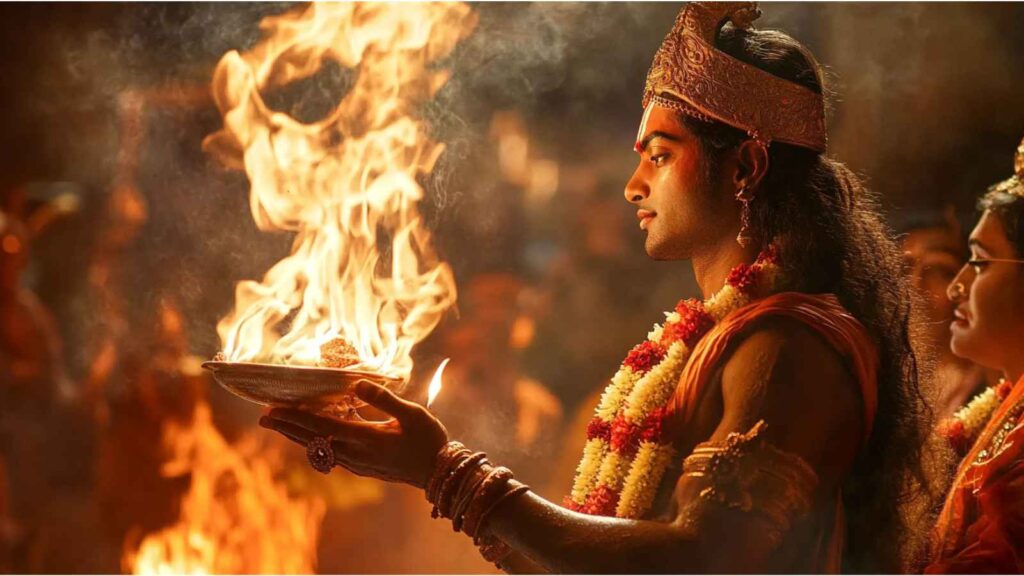
Jatakarma is the first of the sixteen samskaras (rituals) in Hinduism. It marks the moment a newborn is formally introduced to the world and is blessed with the divine energies that will guide its life. The ritual is steeped in symbolism, representing the transition from the womb into a world full of possibilities.
Key Elements of the Jatakarma Ritual
- Invocation of Divine Blessings:
The ritual begins with the chanting of specific mantras, inviting the presence of divine forces. Parents and elders recite verses from the Vedas and Grihya Sutras to invoke auspicious blessings for the child. - Symbolic Acts:
A central element of Jatakarma involves actions like the gentle touching of the child’s lips with a small amount of honey and ghee (clarified butter). This act symbolizes the sweetness of life and the nourishment of the soul.
Additionally, the child’s hair may be combed or cut in a ritualistic manner, signifying the removal of any impurities and the beginning of a new life. - Family Involvement and Community Blessings:
Jatakarma is not performed in isolation; it is a communal celebration where family members gather to witness the rite. The collective prayers and blessings from relatives underscore the shared responsibility of nurturing and protecting the new life. - Integration into the Cosmic Order:
The ritual is designed to align the newborn with the natural and cosmic rhythms as described in the Vedas and Upanishads. It is believed that the energy invoked during Jatakarma sets the stage for the child’s lifelong journey of learning, growth, and spiritual development.
The Symbolism Behind Jatakarma
- New Beginnings:
Jatakarma symbolizes the rebirth of the soul into the physical world, marking the start of its earthly journey. - Purification and Protection:
The ritual cleanses the newborn of any residual energies from the womb, ensuring that it is pure and protected. - Divine Connection:
By invoking the blessings of deities through mantras and sacred actions, the ritual reinforces the belief that every human being is divinely guided from birth.
Temple Blessings: Enhancing the Jatakarma Experience
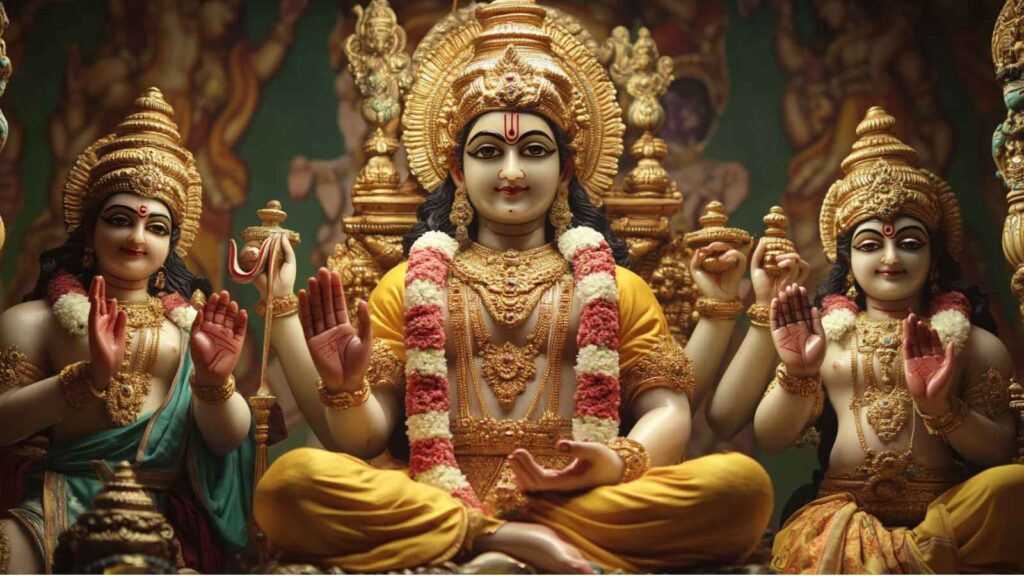
While Jatakarma is traditionally performed at home, many families also visit temples soon after the ceremony to seek further blessings for the newborn. These temple visits are an extension of the ritual, providing a communal space for spiritual rejuvenation and divine protection.
Below are three iconic temples often visited by families after performing the Jatakarma samskara. Each temple is renowned for its rich history, stunning architecture, and the profound spiritual experiences it offers.
1. Sree Venkateswara Temple, Tirumala, Andhra Pradesh
Location:
Sree Venkateswara Temple
Address: Tirumala, Tirupati district, Andhra Pradesh, India
Historical Background:
Sree Venkateswara Temple, dedicated to Lord Venkateswara (a form of Vishnu), is one of the most revered pilgrimage sites in India. With ancient origins and continuous worship spanning centuries, this temple has played a pivotal role in the spiritual lives of millions. Families often bring their newborns here to receive the blessings of prosperity and protection, believing that the divine energy of the temple ensures a blessed future.
Architectural Highlights:
- Dravidian Splendor:
The temple features magnificent Dravidian architecture with towering gopurams (gateway towers), intricately carved pillars, and ornate sanctums. - Exquisite Details:
Detailed sculptures and carvings depict various mythological scenes and deities, showcasing the mastery of ancient Indian artisans. - Modern Enhancements:
Despite its ancient roots, the temple is equipped with modern amenities to cater to the millions of pilgrims, ensuring a harmonious blend of tradition and modernity.
Visitor Experience:
Visitors to Sree Venkateswara Temple report an overwhelming sense of devotion and serenity. The rhythmic chants, the fragrance of incense, and the meticulously maintained temple grounds create an immersive spiritual experience. For families, a visit to this temple after Jatakarma is a way to further sanctify the newborn’s life with divine blessings and cultural heritage.
2. Jagannath Temple, Puri, Odisha
Location:
Jagannath Temple
Address: Jagannath Temple Complex, Puri, Odisha, India
Historical Background:
The Jagannath Temple in Puri is one of the Char Dham pilgrimage sites and holds immense significance in Hindu tradition. Dating back to ancient times, the temple is steeped in mythology and is believed to be the abode of Lord Jagannath, a form of Vishnu. Families often visit this temple to seek blessings for their newborns, symbolizing the continuity of divine protection and nurturing care.
Architectural Highlights:
- Unique Architectural Style:
The temple is known for its distinct Kalinga architecture, featuring towering spires, intricately carved stone panels, and elaborate sculptures. - Artistic Embellishments:
Vivid murals and detailed carvings narrate the stories of Lord Jagannath and other deities, reflecting the cultural and religious richness of Odisha. - Spiritual Ambiance:
The temple’s layout and design are intended to evoke a sense of divine mystery and celestial beauty, enhancing the spiritual experience of its visitors.
Visitor Experience:
A visit to Jagannath Temple is a deeply immersive experience. The temple attracts devotees from all over India, creating an atmosphere of vibrant devotion and cultural celebration. Families who visit after the Jatakarma ritual are enveloped in a sense of communal unity and spiritual grace, as the temple’s rich history and artistic splendor provide a nurturing backdrop for divine blessings.
3. Meenakshi Amman Temple, Madurai, Tamil Nadu
Location:
Meenakshi Amman Temple
Address: Madurai, Tamil Nadu, India
Historical Background:
Meenakshi Amman Temple is one of the most iconic and ancient temples in South India. Dedicated to Goddess Meenakshi (a form of Parvati) and Lord Sundareswarar (Shiva), the temple has been a center of religious and cultural life in Madurai for centuries. While it is primarily associated with Shaivism and Shaktism, many families visit the temple to receive blessings for their newborns, reinforcing the values of protection, nurturing, and prosperity.
Architectural Highlights:
- Dravidian Grandeur:
The temple is renowned for its towering gopurams, which are adorned with thousands of colorful sculptures depicting mythological scenes and deities. - Intricate Carvings:
The temple walls, corridors, and mandapams (halls) are embellished with exquisite carvings that showcase the artistic brilliance of ancient Tamil craftsmen. - Cultural Hub:
Beyond its religious significance, Meenakshi Amman Temple is a living monument of Tamil culture, hosting festivals, dance performances, and vibrant processions throughout the year.
Visitor Experience:
Visitors to Meenakshi Amman Temple are captivated by the temple’s dynamic blend of spirituality, art, and history. The temple’s lively atmosphere, filled with devotional music, colorful decorations, and the sound of traditional instruments, offers an unforgettable experience. Families often find that the temple’s energy provides a deep sense of reassurance and blessings for the newborn’s future.


