
Exploring Divine Avatars: Krishna and Rama in Sacred Temples
Hinduism is a tapestry of vibrant beliefs, rituals, and divine narratives that have evolved over millennia. Among the most celebrated aspects of this timeless faith are the avatars—divine incarnations—of Lord Vishnu, notably Krishna and Rama. These avatars not only symbolize the perpetual struggle between good and evil but also serve as living embodiments of dharma (righteousness), love, and cosmic order. In this comprehensive article, we explore the sacred temples dedicated to these divine figures, delve into the foundational scriptures that provide spiritual and philosophical guidance, and provide a detailed look at the historical, architectural, and experiential aspects of these pilgrimage sites.
Read More About sacred texts
This post is designed for seekers, devotees, and cultural enthusiasts alike, and it guides you on a journey from ancient texts like the Bhagavad Gita and the Ramayana to the revered temples where the spirit of Krishna and Rama is celebrated. With detailed sections on temple histories, architectural highlights, and visitor experiences, this article is your gateway to understanding the profound impact of these divine avatars on art, culture, and spirituality.
The Significance of Avatars in Hinduism

Avatars hold a special place in Hindu theology as manifestations of the divine on earth. Among the many avatars of Lord Vishnu, Krishna and Rama are particularly revered:
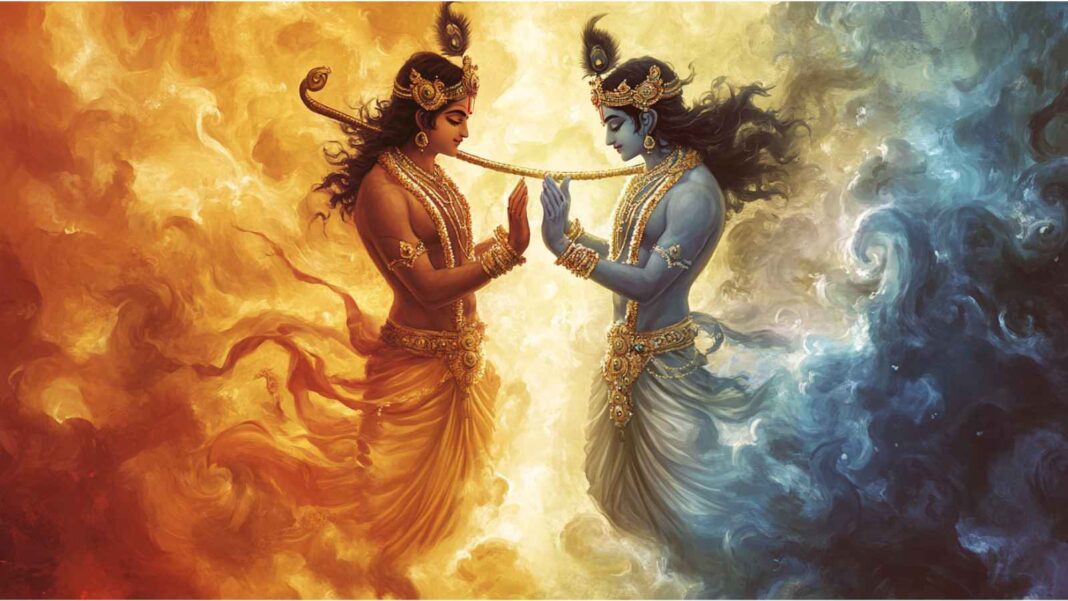
- Lord Krishna is celebrated for his role in the Mahabharata and his teachings in the Bhagavad Gita. His life exemplifies the balance between divine love and the responsibilities of earthly life, emphasizing joy, devotion, and righteousness.
- Lord Rama represents the ideal king, husband, and human being. His life, as narrated in the Ramayana, is a paradigm of virtue, sacrifice, and unwavering commitment to dharma, making his story a timeless guide for ethical living.
The temples dedicated to these avatars are not only places of worship but also centers of learning and cultural expression, where sacred rituals and age-old traditions come to life.
Foundational Scriptures: The Spiritual and Philosophical Backbone
The teachings and legends of Krishna and Rama are enshrined in some of Hinduism’s most venerated scriptures. These texts continue to inspire millions around the world:
- Bhagavad Gita: A part of the Mahabharata, this dialogue between Krishna and the warrior Arjuna explores key philosophical concepts such as duty, righteousness, and the nature of the self. It remains one of the most influential spiritual classics.
- Ramayana: This epic recounts the life of Rama, his exile, the abduction of his wife Sita, and the subsequent battle against the demon king Ravana. Its narrative provides timeless lessons in virtue, loyalty, and the struggle between good and evil.
- Mahabharata: Beyond the Bhagavad Gita, this epic narrative offers extensive insights into human nature, ethics, and the complexities of life, with Krishna playing a central role in guiding the Pandavas.
- Vedas and Upanishads: These ancient texts lay the foundational philosophies of Hinduism, discussing the nature of existence, consciousness, and the ultimate reality, which underpins the teachings of Krishna and Rama.
The interplay between these scriptures and temple traditions creates a dynamic environment where divine stories are not only preserved but also celebrated through art, music, and ritual.
Temples Dedicated to Lord Krishna
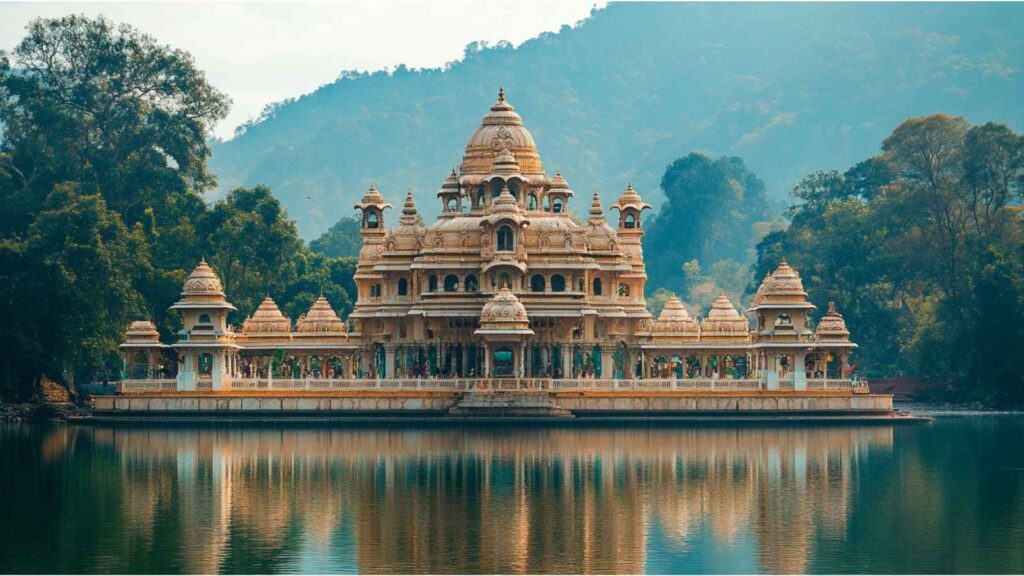
Temples devoted to Krishna are spread across India, each with its own unique history, architectural style, and spiritual ambiance. Below, we explore two prominent temples that serve as epicenters of devotion and cultural heritage.
1. Dwarkadhish Temple, Dwarka, Gujarat
Name & Exact Location
- Temple Name: Dwarkadhish Temple
- Location: Dwarka, Gujarat, India
Historical Background
The Dwarkadhish Temple, also known as the Jagat Mandir, is one of the four cardinal pilgrimage sites (Char Dham) in Hinduism. Believed to be established by Lord Krishna himself, this temple is steeped in legend and ancient lore. Dwarka is considered the ancient kingdom of Krishna, where he ruled with wisdom and compassion. Historical texts and local traditions suggest that the temple’s origins trace back to early centuries BCE, though much of its current structure has been renovated over centuries by various dynasties and rulers. The temple not only serves as a spiritual center but also as a living museum of the region’s rich cultural past.
Architectural Highlights
- Intricate Facade: The temple’s facade features finely carved stone work that reflects traditional Gujarat architecture, with ornate motifs and depictions of Krishna’s life.
- Central Sanctum: The inner sanctum houses the idol of Dwarkadhish, symbolizing Krishna as the “King of Dwarka.” The deity is adorned with traditional ornaments and vibrant textiles, highlighting the artistic heritage of the region.
- Mandapas and Pillars: The temple complex includes spacious mandapas (halls) supported by elegantly carved pillars that display a blend of ancient craftsmanship and regional influences.
- Use of Light and Space: Natural light is cleverly utilized to accentuate the temple’s sanctity, creating an ambiance of divine serenity that resonates with visitors.
Visitor Experience
Visitors to the Dwarkadhish Temple experience a blend of spiritual fervor and historical immersion. Key highlights include:
- Daily Rituals: Witness the ritualistic chanting of mantras, aarti (devotional songs), and other sacred ceremonies that evoke a deep sense of devotion.
- Festivals: Major festivals like Janmashtami (Krishna’s birthday) and Diwali attract throngs of pilgrims, creating a vibrant, festive atmosphere.
- Cultural Programs: Occasional classical dance performances, music recitals, and storytelling sessions based on Krishna’s life enrich the overall experience.
- Pilgrimage and Local Markets: The temple’s surroundings are dotted with local markets offering traditional handicrafts, sweets, and devotional paraphernalia, providing a holistic cultural experience.
2. Banke Bihari Temple, Vrindavan, Uttar Pradesh
Name & Exact Location
- Temple Name: Banke Bihari Temple
- Location: Vrindavan, Uttar Pradesh, India
Historical Background
The Banke Bihari Temple is one of the most iconic shrines dedicated to Lord Krishna. Located in the sacred town of Vrindavan—the land of eternal love and divine play—the temple is renowned for its vibrant devotional practices and miraculous tales. Established centuries ago, this temple has been the heart of devotion for countless devotees who believe that Krishna’s presence in his charming and mischievous avatar, Banke Bihari, blesses the land with eternal grace and joy. The temple’s history is intertwined with the Bhakti movement, which emphasized the importance of personal devotion and the transformative power of divine love.
Architectural Highlights
- Elegant Facade: The temple features a stunning facade with a blend of North Indian temple architecture and local design elements, characterized by intricate carvings and a vibrant color palette.
- Deity’s Abode: The main sanctum houses the idol of Krishna in his playful form, Banke Bihari. The idol is a masterpiece of craftsmanship, symbolizing the enchanting persona of Krishna.
- Decorative Elements: Detailed frescoes, sculptures, and ornamental designs adorn the temple walls, narrating episodes from Krishna’s childhood and youthful exploits.
- Spiritual Ambiance: The temple’s design and layout are intentionally crafted to evoke a sense of divine mystery and intimacy, drawing visitors into a deeper state of devotional ecstasy.
Visitor Experience
A visit to Banke Bihari Temple is a journey into the heart of Bhakti (devotional) tradition:
- Devotional Practices: Regularly held bhajans (devotional songs) and kirtans (chants) create an atmosphere of collective worship and spiritual ecstasy.
- Festive Celebrations: During Janmashtami and Holi, the temple becomes a hub of exuberant celebrations with processions, street plays, and community feasts.
- Cultural Immersion: The surrounding lanes of Vrindavan are alive with stories, local artisans, and eateries that serve traditional delicacies, making the visit a rich cultural immersion.
- Spiritual Retreat: Many visitors describe the temple as a place of refuge where one can experience a profound connection with the divine, away from the hustle and bustle of everyday life.
Temples Dedicated to Lord Rama
The temples dedicated to Lord Rama are equally revered for their historical significance and their embodiment of the ideals of righteousness, duty, and devotion. Below, we explore two prominent temples that honor the legacy of Lord Rama.
3. Ram Janmabhoomi Temple, Ayodhya, Uttar Pradesh
Name & Exact Location
- Temple Name: Ram Janmabhoomi Temple
- Location: Ayodhya, Uttar Pradesh, India
Historical Background
Ram Janmabhoomi in Ayodhya is celebrated as the birthplace of Lord Rama and is steeped in historical and mythological significance. For centuries, Ayodhya has been a focal point for devotees who revere it as the place where the ideal human, Lord Rama, was born. The site has witnessed many historical events and pilgrimages, making it an essential destination for understanding the evolution of Hindu thought and culture. The modern temple stands as a testament to the enduring faith of millions and has been the subject of extensive historical research and reverence.
Architectural Highlights
- Majestic Design: The temple’s architecture is a harmonious blend of ancient design and modern aesthetics, featuring intricately carved pillars, domes, and arches that echo the timeless beauty of traditional North Indian temple architecture.
- Spiritual Iconography: The sanctum houses a beautifully sculpted idol of Lord Rama, often depicted with Sita, Lakshmana, and Hanuman, encapsulating the divine family’s virtues.
- Sacred Layout: The temple complex is designed to facilitate both meditation and community gatherings, with spacious courtyards, well-lit corridors, and dedicated prayer halls.
- Symbolic Motifs: Detailed carvings and iconography throughout the temple narrate the epic saga of the Ramayana, making it not just a place of worship but also a living museum of ancient Indian art and philosophy.
Visitor Experience
Pilgrims and tourists visiting Ram Janmabhoomi Temple experience a deep sense of spirituality and historical connection:
- Pilgrimage Rituals: Daily rituals, including aarti, bhajans, and recitations of the Ramayana, create a deeply immersive spiritual environment.
- Festivals and Celebrations: Major festivals such as Rama Navami draw thousands of devotees, culminating in elaborate processions and community celebrations that highlight the temple’s cultural significance.
- Heritage Walks: Guided tours and heritage walks provide visitors with insights into the historical evolution of Ayodhya, alongside the rich narratives of Lord Rama’s life.
- Peaceful Ambiance: The serene surroundings, enhanced by well-maintained gardens and reflective water bodies, offer a peaceful retreat for meditation and contemplation.
4. Bhadrachalam Temple, Bhadrachalam, Telangana
Name & Exact Location
- Temple Name: Bhadrachalam Temple
- Location: Bhadrachalam, Telangana, India
Historical Background
Bhadrachalam Temple is one of the most significant shrines dedicated to Lord Rama in South India. Nestled in the picturesque landscape of Telangana, this temple is steeped in legend and is associated with various episodes from the Ramayana. Historically, Bhadrachalam has been a vital pilgrimage site that symbolizes devotion, penance, and the divine grace of Lord Rama. The temple’s origins are intertwined with local folklore and the Bhakti movement, which celebrated personal devotion to the divine through poetry, music, and art.
Architectural Highlights
- Sacred Grandeur: The temple’s design is characterized by traditional South Indian architectural elements, including ornate gopurams (gateway towers) adorned with intricate sculptures depicting scenes from the Ramayana.
- Sanctum Sanctorum: At the heart of the temple is the sanctum that houses the revered idol of Lord Rama, along with deities Sita and Lakshmana, presented in an exquisite artistic form.
- Harmonious Design: The use of local stone and elaborate carvings, combined with expansive courtyards and prayer halls, creates an atmosphere that is both awe-inspiring and conducive to spiritual reflection.
- Artistic Detailing: Frescoes, mural paintings, and decorative motifs within the temple walls narrate the divine journey of Rama, inviting visitors to experience a visual and spiritual feast.
Visitor Experience
A pilgrimage to Bhadrachalam is marked by profound personal and communal experiences:
- Spiritual Rituals: Daily worship ceremonies, recitations of the Ramayana, and melodious bhajans immerse visitors in the rich devotional practices of the region.
- Festive Atmosphere: Celebrations during Rama Navami and other religious festivals transform the temple into a vibrant canvas of cultural and spiritual fervor, attracting devotees from all over the country.
- Scenic Surroundings: The temple’s location along the banks of the Godavari River provides a serene backdrop, enhancing the overall ambiance for meditation and reflection.
- Community and Hospitality: Visitors often remark on the warmth and hospitality of the local community, which adds a personal dimension to the spiritual journey at Bhadrachalam.
Interweaving Spiritual Narratives with Architectural Grandeur
The temples of Krishna and Rama are not merely historical monuments; they are living centers of devotion that continue to inspire generations. Each temple is a manifestation of ancient wisdom expressed through architectural splendor, artistic mastery, and an enduring commitment to the values enshrined in foundational scriptures. Whether you are drawn by the playful allure of Krishna or the noble path of Rama, these temples offer an immersive experience that connects the spiritual with the tangible.
Incorporating Sacred Scriptures into Daily Devotion
Devotees often carry with them the lessons of the Bhagavad Gita, Ramayana, and other sacred texts as they traverse the temple courtyards. Recitations, discussions, and teachings based on these scriptures help maintain the connection between the divine narratives and daily life. Such practices ensure that the philosophical and ritual guidance provided by these texts continues to illuminate the hearts and minds of the faithful.
The Role of Temples in Cultural Preservation
Temples like Dwarkadhish, Banke Bihari, Ram Janmabhoomi, and Bhadrachalam are not only centers of worship but also repositories of cultural heritage. They serve as venues for traditional music, dance, art, and literature that celebrate the lives of Krishna and Rama. This multi-dimensional approach to spirituality reinforces the idea that Hinduism is not static but a dynamic interplay between the past and the present.