
Nature and spirituality have always shared an intimate bond in Hinduism. Among the many symbols of divine nature, the Kadamba tree (Neolamarckia cadamba or Adina cordifolia) holds a special place as a sacred flora revered for its beauty, mythological significance, and spiritual guidance. Often mentioned in ancient texts and cherished in ritual practices, the Kadamba tree is not merely a botanical specimen—it embodies the eternal cycle of life, the interconnection between the cosmos and the individual soul, and the divine presence in nature.
Read More About Hindu Temples
In Hindu tradition, the Kadamba tree is celebrated for its vibrant blossoms and its association with rain, fertility, and renewal. It appears in foundational scriptures such as the Vedas, Upanishads, and various Puranas, where its significance extends beyond its physical form to symbolize spiritual awakening and cosmic harmony. Moreover, the Kadamba tree often serves as a natural altar in rural and temple settings, inspiring awe and devotion among devotees.
This article offers an in-depth exploration of the Kadamba tree’s spiritual and philosophical importance in Hinduism. We will examine its mentions in ancient scriptures, its role in daily worship and ritual observances, and its enduring influence in both Ayurvedic healing and mythological lore. Additionally, we present a detailed temple profile of Kadamba Vriksha Mandir in Udupi, Karnataka, highlighting its historical background, architectural marvels, and the immersive visitor experience it provides. Creative ideas for AI-generated imagery will also be outlined, complete with a comprehensive reference and citation framework to ensure transparency and SEO excellence.
Whether you are a devout spiritual seeker, a cultural enthusiast, or simply curious about Hindu traditions, this comprehensive guide offers actionable insights and inspiration to explore one of Hinduism’s most cherished natural symbols.
The Spiritual and Philosophical Significance of the Kadamba Tree

Sacred Symbolism in Hindu Tradition
The Kadamba tree holds multifaceted symbolism within Hindu thought:
- Embodiment of Renewal and Fertility:
With its lush foliage and vibrant blossoms, the Kadamba tree symbolizes the rejuvenation of nature. It is often associated with the onset of monsoons and the renewal of life, reminding devotees of the cyclical nature of existence. - Cosmic Harmony and Spiritual Awakening:
The interwoven branches and sprawling canopy of the Kadamba tree represent the interconnectedness of all life forms. It serves as a metaphor for the cosmic order, where every being is linked in a vast web of energy and consciousness. This connection inspires seekers to recognize the unity of the individual soul (atman) with the universal spirit (Brahman). - Divine Grace and Auspiciousness:
In many regional traditions, the Kadamba tree is considered an auspicious symbol. Its presence in temple courtyards and sacred groves is believed to bring blessings, prosperity, and protection against negative forces. - Natural Altar for Devotion:
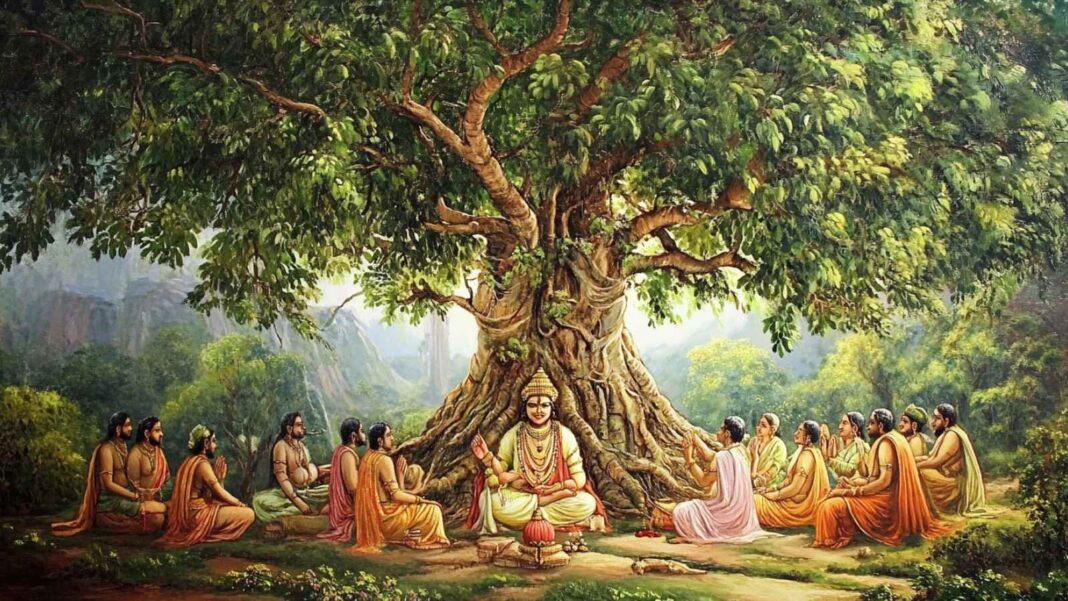
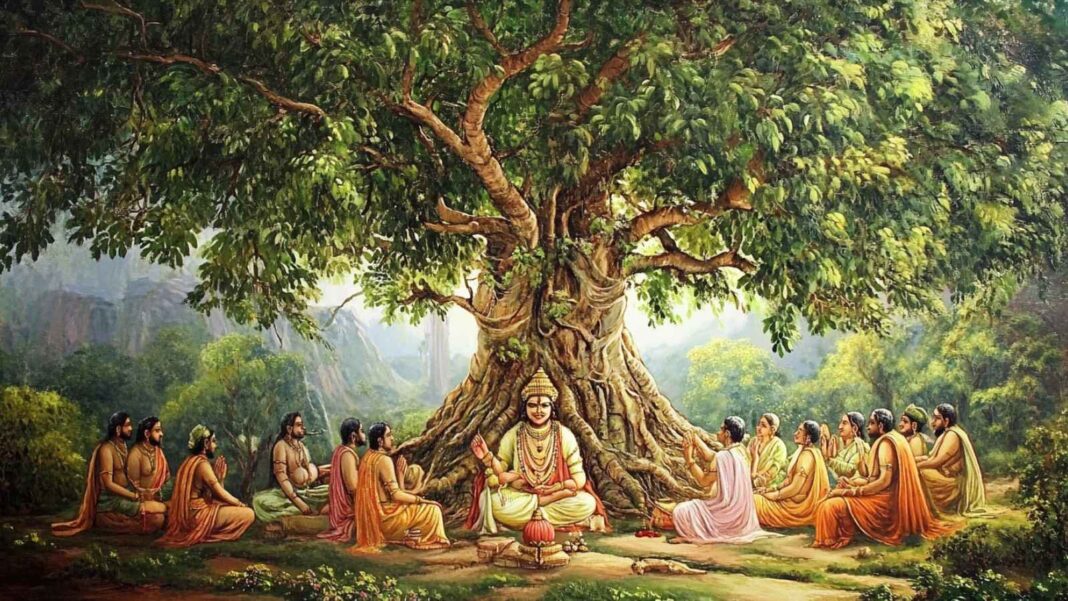
The Kadamba tree’s serene beauty and natural form make it a favorite in devotional practices. Devotees often gather beneath its shade to meditate, chant mantras, or perform rituals dedicated to various deities, reinforcing the tree’s role as a living symbol of divine grace.
Foundational Scriptures and Divine Guidance
Ancient Hindu scriptures revere the Kadamba tree as a vital part of nature and spirituality:
- Vedas and Upanishads:
These seminal texts honor nature as a direct manifestation of the divine. The Kadamba tree is praised for its life-affirming qualities and is sometimes invoked in hymns that celebrate the bounty of nature. Its cyclical renewal is seen as symbolic of the eternal rhythm of creation and dissolution. - Puranas:
Numerous Puranic legends and mythological narratives extol the virtues of the Kadamba tree. Stories often recount how sages and deities sought inspiration and refuge under its boughs. Such legends serve to inspire devotion and underscore the tree’s status as a divine witness to cosmic events. - Ritual Manuals and Ayurvedic Texts:
Traditional manuals provide detailed instructions on the proper worship of sacred flora, including the Kadamba tree. Ayurvedic texts, in particular, highlight its medicinal properties—emphasizing its use in natural healing—and correlate these benefits with spiritual purity and balance. - Symbolic Use in Rituals:
The Kadamba tree is frequently integrated into rituals and ceremonies. Offerings, such as flowers and water, are made to the tree as a symbol of reverence for nature’s abundance and the divine order of life.
“In the gentle rustling of the Kadamba leaves, one hears the eternal song of creation—a melody that binds the soul to the cosmos and reminds us that nature itself is an expression of the divine.”
(This wisdom, echoed in Vedic hymns and Puranic narratives, continues to inspire spiritual seekers.)
Ritual Practices and Daily Worship Involving the Kadamba Tree

Daily Devotional Practices
The Kadamba tree is an integral part of daily spiritual routines in many Hindu households and temples:
- Morning and Evening Puja:
Devotees begin and end their day by offering prayers under the shade of the Kadamba tree. Rituals typically involve the offering of water, flowers, and incense. The act of worship serves both to purify the environment and to invite the blessings of nature’s abundance. - Meditative Retreats:
In rural areas and temple complexes, the Kadamba tree is often a focal point for meditation. Its calming presence encourages introspection and spiritual reflection, fostering a deeper connection with the divine. - Seasonal Observances:
Certain festivals and seasonal transitions are marked by special ceremonies that honor the Kadamba tree. These observances celebrate the tree’s role in the cyclical patterns of nature, symbolizing rebirth, growth, and renewal.
Community and Cultural Celebrations
The Kadamba tree also plays a central role in communal festivities and cultural traditions:
- Festivals and Fairs:
Regional festivals often feature processions, music, dance, and ritualistic performances centered around the Kadamba tree. These events are designed to celebrate nature’s bounty and to reinforce community bonds. - Storytelling and Mythology Sessions:
Local elders and spiritual leaders frequently narrate ancient legends associated with the Kadamba tree, passing down oral traditions that emphasize its mythological significance and divine heritage. - Educational Programs:
Many schools and cultural institutions utilize the Kadamba tree as a symbol in environmental education. Programs that focus on sustainable living and natural conservation often draw inspiration from the tree’s resilience and ecological importance.
Temple Profile: Kadamba Vriksha Mandir, Udupi, Karnataka
Among the many sacred sites dedicated to revered flora, the Kadamba Vriksha Mandir in Udupi, Karnataka, stands out as a beacon of devotion to the Kadamba tree. Udupi, known for its rich cultural and spiritual heritage, offers an ideal setting for a temple that celebrates nature’s divine bounty.
Name and Exact Location
- Temple Name: Kadamba Vriksha Mandir
- Location: Udupi, Karnataka, India
Historical Background
Kadamba Vriksha Mandir boasts a storied history that intertwines regional folklore with spiritual traditions:
- Ancient Origins:
According to local legends, the site of Kadamba Vriksha Mandir was once home to a magnificent Kadamba tree revered by sages and local deities. It is believed that the tree was a source of divine inspiration, drawing spiritual energy from the cosmos and bestowing wisdom upon those who sought its shade. - Royal Patronage:
The temple’s origins can be traced back to the era of the Kadamba dynasty, which ruled parts of Karnataka and celebrated the natural world as a manifestation of divine power. Historical records indicate that local rulers and community leaders supported the establishment of the temple as a center for spiritual learning and healing. - Evolution Through the Ages:
Over centuries, Kadamba Vriksha Mandir has undergone several renovations and expansions. Despite modern enhancements, the temple has maintained its ancient charm and continues to serve as a vital center for cultural and spiritual gatherings.
Architectural Highlights
The architecture of Kadamba Vriksha Mandir is a harmonious blend of traditional design and contemporary functionality:
- Integration with Nature:
At the heart of the temple complex stands the ancient Kadamba tree, revered as the living deity. The design of the temple ensures that the tree remains the focal point, with the surrounding structures arranged to enhance its natural beauty. - Exquisite Carvings and Iconography:
The temple walls and pillars feature intricate carvings that depict mythological scenes, traditional motifs, and representations of the divine. These artistic elements not only beautify the temple but also serve as visual narrations of the sacred lore surrounding the Kadamba tree. - Spacious Courtyards and Meditation Pavilions:
Open courtyards and dedicated meditation areas invite visitors to engage in quiet reflection and communal worship. These spaces are designed to provide both aesthetic pleasure and spiritual solace. - Blend of Classic and Modern:
While the temple retains its classical South Indian architectural elements, modern amenities—such as digital kiosks, improved lighting, and comfortable seating—have been seamlessly integrated to enhance the overall visitor experience.
Visitor Experience
A visit to Kadamba Vriksha Mandir in Udupi is a multifaceted journey that engages the senses, nurtures the spirit, and offers deep cultural insights:
- Spiritual Ambiance:
The temple complex exudes an atmosphere of serenity and divine grace. The gentle rustle of Kadamba leaves, the soft glow of temple lamps, and the rhythmic chants of devotees create an immersive environment that soothes the mind and uplifts the soul. - Interactive Rituals:
Visitors are encouraged to participate in daily rituals and special ceremonies. Guided by experienced priests, guests can offer prayers, partake in meditative sessions, and experience the sacred tradition of presenting flowers and water to the venerable Kadamba tree. - Guided Tours and Cultural Narratives:
Knowledgeable guides lead tours that delve into the temple’s historical evolution, architectural intricacies, and the mythological significance of the Kadamba tree. These tours enrich the visitor experience by connecting ancient traditions with contemporary practices. - Festivals and Community Events:
During major festivals and local celebrations, the temple becomes a vibrant hub of activity. Traditional music, dance performances, and storytelling sessions bring the ancient lore of the Kadamba tree to life, offering visitors a unique glimpse into the region’s cultural heritage.
Foundational Scriptures and Ritual Practices
Scriptural Foundations
The reverence for the Kadamba tree is deeply rooted in Hindu scriptures and ancient wisdom:
- Vedas and Upanishads:
These ancient texts celebrate the sanctity of nature as a reflection of divine consciousness. The Kadamba tree, with its symbolic representations of renewal and interconnectedness, is frequently invoked in hymns that emphasize the unity of all existence. - Puranic Narratives:
The Puranas contain rich mythological accounts that highlight the miraculous qualities of the Kadamba tree. Legends speak of sages who meditated under its shade and of deities who blessed devotees in its presence, reinforcing the tree’s sacred status. - Ayurvedic Literature:
Classical Ayurvedic texts extol the therapeutic properties of the Kadamba tree, linking its medicinal benefits to spiritual detoxification and overall well-being. - Ritual Manuals:
Traditional ritual manuals detail the specific practices associated with the worship of the Kadamba tree. Devotees are instructed to offer water, flowers, and chants in its honor, ensuring that its divine energies are invoked during daily rituals.
Ritual Practices and Devotional Observances
Devotional practices surrounding the Kadamba tree are an integral part of both individual and communal spirituality:
- Daily Worship:
Devotees perform morning and evening pujas that involve offering water, Bilva (Kadamba) flowers, and incense to the tree. These rituals purify the environment and invite blessings for the day ahead. - Seasonal Ceremonies:
Special observances are conducted during significant seasonal transitions and lunar phases. These ceremonies celebrate the Kadamba tree’s role in the cyclical patterns of nature, marking times of renewal and spiritual awakening. - Community Gatherings:
In many villages and towns, the Kadamba tree serves as a natural congregation point. Community rituals performed beneath its canopy foster a sense of unity and collective reverence for the divine. - Ayurvedic and Healing Workshops:
Given its medicinal importance, educational workshops and health camps often feature the Kadamba tree, where traditional healing practices are demonstrated and its therapeutic properties are explained.
“The Kadamba tree, in its vibrant bloom and steadfast growth, reminds us that life is a continuous cycle of renewal—a divine dance of creation and dissolution that inspires both the heart and the soul.”
(This timeless reflection, echoed in the Vedic hymns and Puranic legends, continues to resonate with spiritual seekers.)