
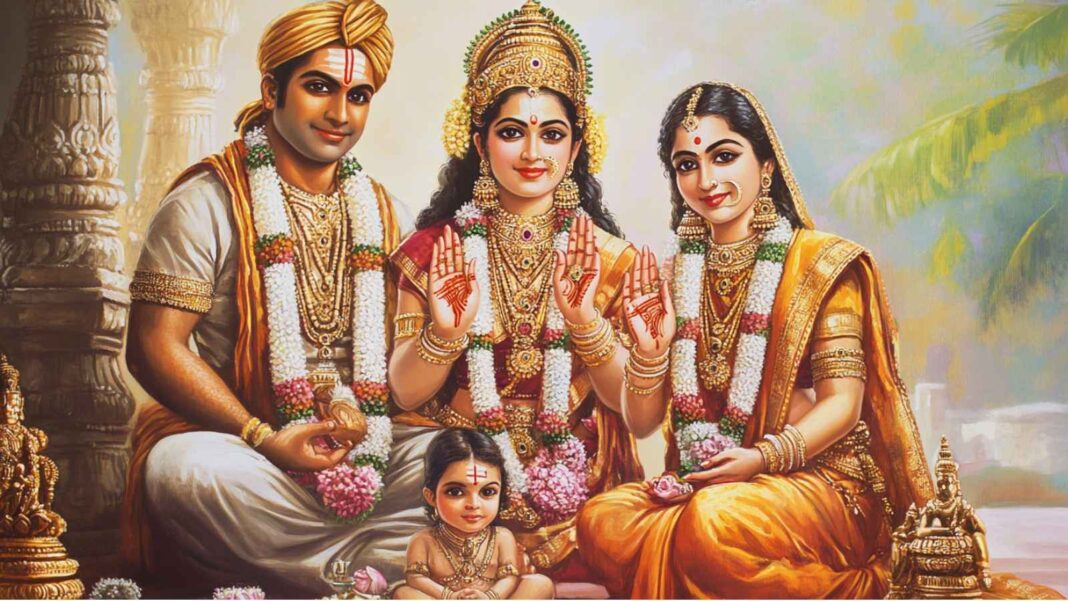

Rights and Duties Within the Hindu Family Structure
In Hinduism, the family is more than just a social unit; it is a sacred institution where individuals learn and practice dharma (righteous duty). The family serves as the primary environment for imparting values, traditions, and spiritual teachings. Each member has specific roles, rights, and responsibilities that contribute to the harmony and spiritual progress of the household.Family JRank
Read More About sacred texts
The Concept of Dharma in Family Life
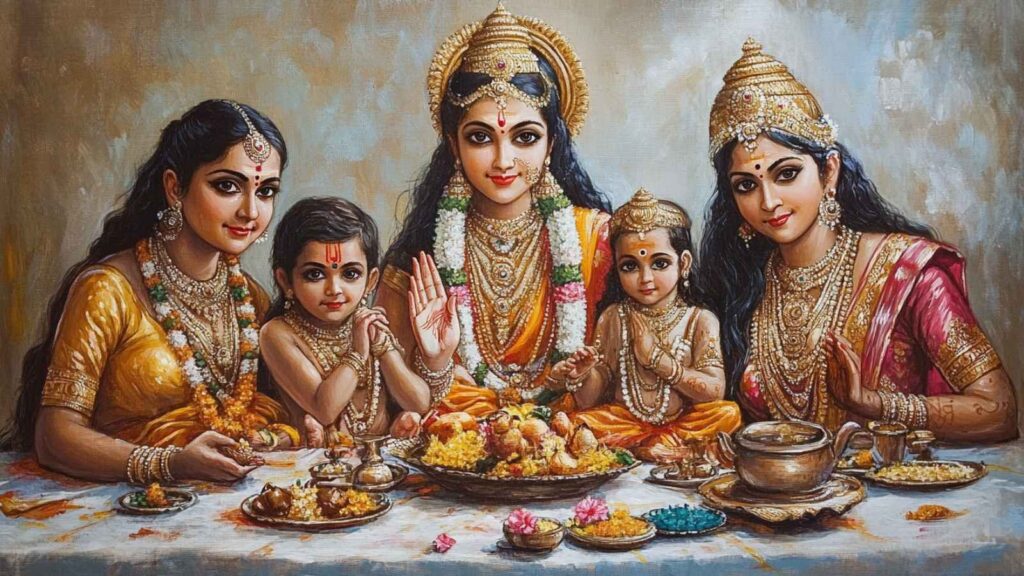
Dharma, a central tenet in Hindu philosophy, refers to the moral and ethical duties that sustain the cosmic order. Within the family, dharma guides the conduct of each member, ensuring that relationships are maintained with respect, love, and responsibility. By fulfilling their dharma, individuals contribute to the well-being of the family and society at large.
Traditional Hindu Family Structure
The traditional Hindu family is often extended and patriarchal, encompassing multiple generations under one roof. This joint family system includes grandparents, parents, children, and sometimes uncles, aunts, and cousins. Each member has a defined role that supports the family’s functioning and spiritual growth.
Roles and Responsibilities of Family Members

1. Father (Pitṛ)
- Role: Head of the household, provider, and protector.
- Duties:
- Ensure the family’s financial stability.
- Impart moral and spiritual education to children.
- Perform religious rituals and ceremonies.
2. Mother (Mātṛ)
- Role: Nurturer, caregiver, and moral guide.
- Duties:
- Manage household affairs.
- Instill values and discipline in children.
- Support the spiritual practices of the family.
3. Children (Putra/Putrī)
- Role: Learners and carriers of family traditions.
- Duties:
- Respect and obey parents and elders.
- Pursue education and personal development.
- Care for parents in their old age.
4. Grandparents (Pitāmaha/Pitāmahī)
- Role: Custodians of wisdom and tradition.
- Duties:
- Share life experiences and spiritual knowledge.
- Guide younger generations in ethical conduct.
- Participate in family rituals and storytelling.Hindutone+6Hindu Mythology+6Hindu Mythology+6Family JRank+5Facts and Details+5zoominindia.com+5
Rights Within the Hindu Family
While duties are emphasized, Hinduism also acknowledges the rights of family members to ensure a balanced and harmonious household.
- Right to Respect: Every member deserves respect, regardless of age or gender.
- Right to Education: Children have the right to receive proper education and guidance.
- Right to Property: Inheritance laws grant rights to property, with reforms ensuring gender equality.
- Right to Spiritual Practice: Individuals have the freedom to pursue their spiritual paths.
The Role of Rituals and Ceremonies
Rituals and ceremonies in Hinduism reinforce family bonds and the fulfillment of duties. Events like weddings, naming ceremonies, and festivals involve the entire family, emphasizing collective participation and responsibility.
Modern Challenges and Adaptations
In contemporary times, the traditional Hindu family structure faces challenges due to urbanization, nuclear family setups, and changing societal norms. However, the core principles of dharma, mutual respect, and responsibility remain relevant. Families adapt by redefining roles while maintaining the essence of their cultural and spiritual values.
Visual Representation
To create an AI-generated image representing the Hindu family structure:
Prompt: “An illustration of a traditional Hindu joint family, depicting multiple generations engaging in daily activities and rituals, set in a culturally rich household environment.”
Suggested Tools: Midjourney, DALL·E, or Stable Diffusion.
Conclusion
The Hindu family structure, rooted in the principles of dharma, assigns specific rights and duties to each member, fostering a harmonious and spiritually enriching environment. Despite modern challenges, these values continue to guide families in nurturing responsible individuals and preserving cultural heritage.


