


Rights and Responsibilities in Brahmacharya (Student Stage)
Brahmacharya, the first of the four āśrama stages in Hinduism, represents the student life dedicated to rigorous study under a guru, celibacy, and disciplined conduct Wikipedia. The term combines brahman (ultimate reality) and charya (conduct), indicating behavior aligned with spiritual ideals rather than worldly pleasures Wikipedia. Traditional texts grant the brahmacārī specific rights—such as initiation through the Upanayana ceremony, access to knowledge, and protection under the guru’s care—while imposing clear responsibilities like celibacy, service (seva), respect for the teacher, and strict daily regimens to cultivate self-control and focus World History CommonsWorld History Commons. This article examines scriptural foundations in the Vedas and Dharmashāstras, classical Gurukula practices, modern adaptations in educational contexts, and practical guidance—along with AI-image prompts and an SEO framework—to deepen your understanding of Brahmacharya and enhance your site’s ranking Roy Rosenzweig CenterFiveable.
Read More About sacred texts
Philosophical Foundations of Brahmacharya
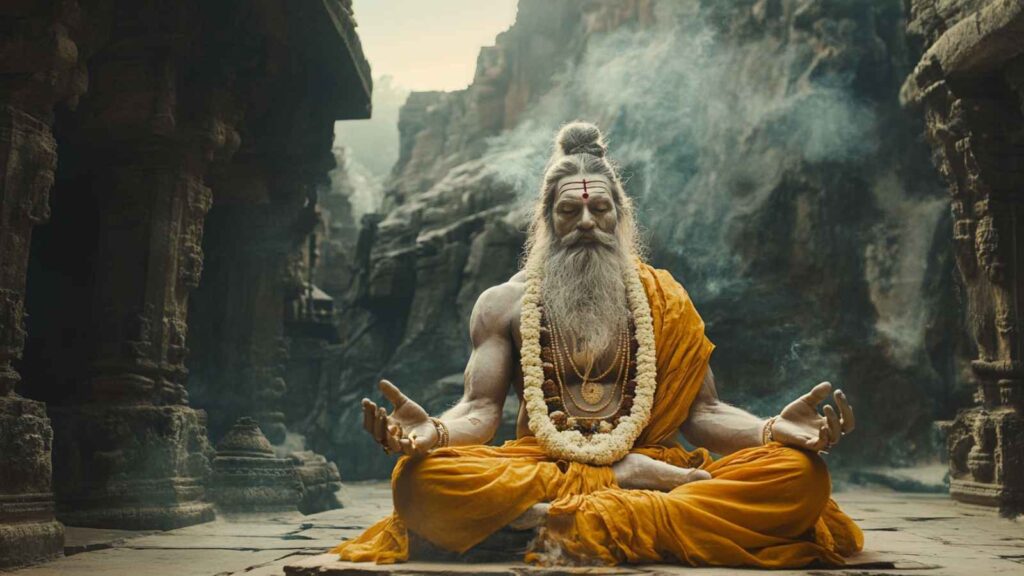
Brahmacharya’s roots lie in the Vedas and Upanishads, where self-restraint and devotion to learning are extolled as prerequisites for spiritual growth Wikipedia. The Chandogya Upanishad narrates seekers renouncing worldly life to dwell with a guru, studying the nature of Ātman and Brahman Wikipedia. Patanjali’s Yoga Sūtras classify Brahmacharya as one of the five yamas (ethical restraints), emphasizing moderation of the senses to conserve virya (vital energy) and promote mental clarity Himalayan Institute. In Dharmashāstras like the Manusmriti, Brahmacharya is prescribed as lasting up to 25 years, during which students should abstain from sensual pleasures to master Vedic knowledge and moral duties Wikipedia.
Rights of a Brahmacārī
Right to Sacred Initiation (Upanayana)
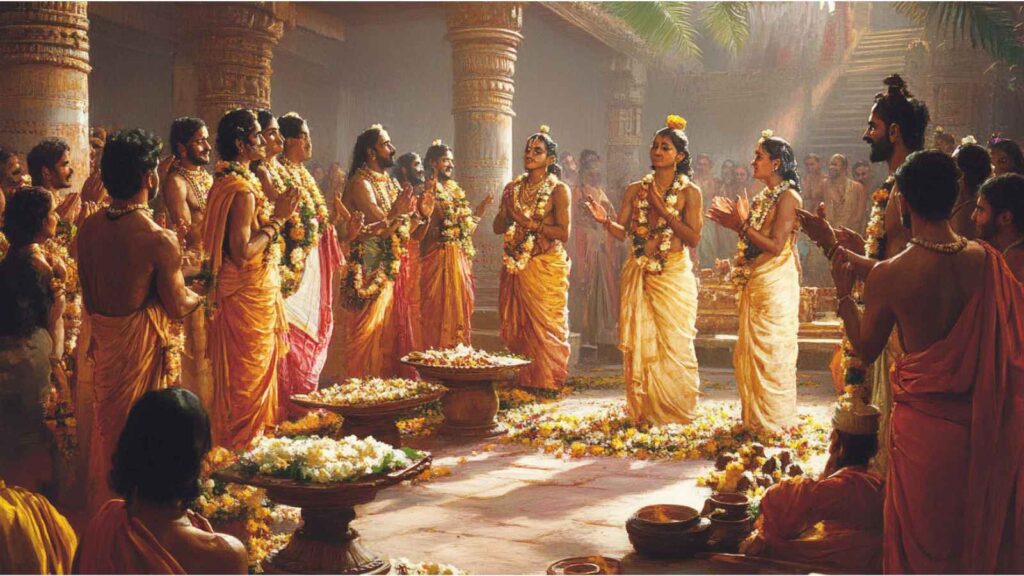
Upon reaching a prescribed age—5–8 for Brahmins, 6–22 for Kshatriyas, and 8–24 for Vaiśyas—the child undergoes the Upanayana ceremony, marking entry into the Brahmacharya stage and conferring the sacred thread (yajñopavīta) as a symbol of commitment to learning World History Commons. This rite bestows the right to formal education and community status, without which one forfeits orthodox social standing AdikkaChannels.
Right to Guru’s Protection and Guidance
Classical injunctions mandate that the guru assumes full responsibility for the student’s welfare, including lodging, nourishment, and moral oversight World History Commons. This establishes the student’s right to safe dwelling in the Gurukula and personalized instruction in scriptures, arts, and life skills Roy Rosenzweig Center.
Right to Learning and Resources
A brahmacārī is entitled to access Vedic texts, practical training (archery, music, martial arts), and daily recitations (Sandhyāvandanam) without charge Roy Rosenzweig Center. Teachers were traditionally prohibited from demanding onerous fees—only a modest dakṣiṇā (offering)—ensuring that financial hardship does not bar education AdikkaChannels.
Right to Rest and Recuperation
Despite rigorous study, students had the right to scheduled rest, recreation, and communal meals to maintain health and focus Home. This balance of discipline and care reflects the ashrama system’s integration of wellbeing and learning.
Responsibilities of a Brahmacārī
Celibacy and Self-Control
The cardinal duty is strict celibacy, refraining from sexual activity or thought to preserve vital energy for study and spiritual practices World History Commons. This includes abiding by communal celibacy norms—often living in groups of 15–20 to support shared discipline Spiritual Science Explorer.
Respect and Service to the Guru
Students must demonstrate unwavering respect, addressing the guru with humility, performing chores, assisting in rituals, and offering dakṣiṇā upon completion of studies World History Commons. This seva nurtures gratitude and social harmony.
Rigorous Daily Regimen
A typical day began at Brahma-muhurta (pre-dawn), followed by Sandhyāvandanam, scriptural study, memorization of mantras, practical skills training, and evening reflections Roy Rosenzweig Center. Observance of dietary purity (sattvic food only) and avoidance of intoxicants safeguarded mental clarity Home.
Pursuit of Academic Excellence
Dedicated memorization of Vedic ślokas, comprehension of Upanishadic wisdom, and mastery of auxiliary sciences (Jyotiṣa, Vyākaraṇa) were non-negotiable responsibilities to prepare the student for societal duties Roy Rosenzweig Center.
Personal Discipline and Modesty
Adherence to simple living, clean attire, minimal possessions, and truthful speech aligned the brahmacārī’s lifestyle with dharmic ideals and reinforced inner focus Himalayan Institute.
Classical Gurukula Practices
In the Gurukula, students lived in communal huts under the teacher’s supervision, cultivating frugality and solidarity World History Commons. Daily Sandhyāvandanam (morning and evening prayers) framed the study schedule, invoking Soma and Agni for clarity and devotion Wikipedia. Meals were simple—rice, dal, and vegetables—prepared by students in rotation, reinforcing service and non-attachment Home. Annual Samāvartana marked a student’s graduation, performing rites of passage and reaffirming commitment to societal responsibilities Christian Leaders Institute.
Modern Interpretations and Relevance
Contemporary educational institutions in India sometimes emulate Gurukula principles through residential schools emphasizing mentorship, character education, and community living Fiveable. The concept of Brahmacharya extends into yoga teacher training, where celibacy and code of conduct remain core to advanced practitioner paths Himalayan Institute. Ayurveda links Brahmacharya to semen conservation for health and vitality, promoting lifestyle guidelines that prevent premature exhaustion and disease ResearchGate.
Challenges and Solutions
Digital Distractions
Modern students face constant digital temptations—social media, streaming, and gaming—that undermine focus. Establishing tech-free hours and accountability groups can recreate collective discipline akin to traditional celibate communities Spiritual Science Explorer.
Balancing Academics and Discipline
High academic pressure often conflicts with spiritual practices. Integrating mindfulness sessions, group chanting, and physical yoga into school routines fosters holistic development without sacrificing performance Home.
Community and Mentorship
Lack of personal mentors can leave students adrift. Revival of peer-mentoring circles and alumni networks can mirror the guru–student bond, offering guidance, support, and lived examples of Brahmacharya in action Divine Life Society.
Implementing Brahmacharya Today
- Establish a Daily Routine: Wake before sunrise for meditation and set study hours, interspersed with exercise and breaks.
- Form Peer Support Groups: Commit to joint vows of minimal smartphone use and shared spiritual practices.
- Choose a Mentor: Identify a teacher or elder to provide accountability, feedback, and guidance.
- Adopt Sattvic Habits: Prioritize a simple, nutritious diet, regular physical activity, and adequate sleep.
- Track Progress: Maintain a journal logging insights, challenges, and accomplishments in both academic and spiritual domains.


