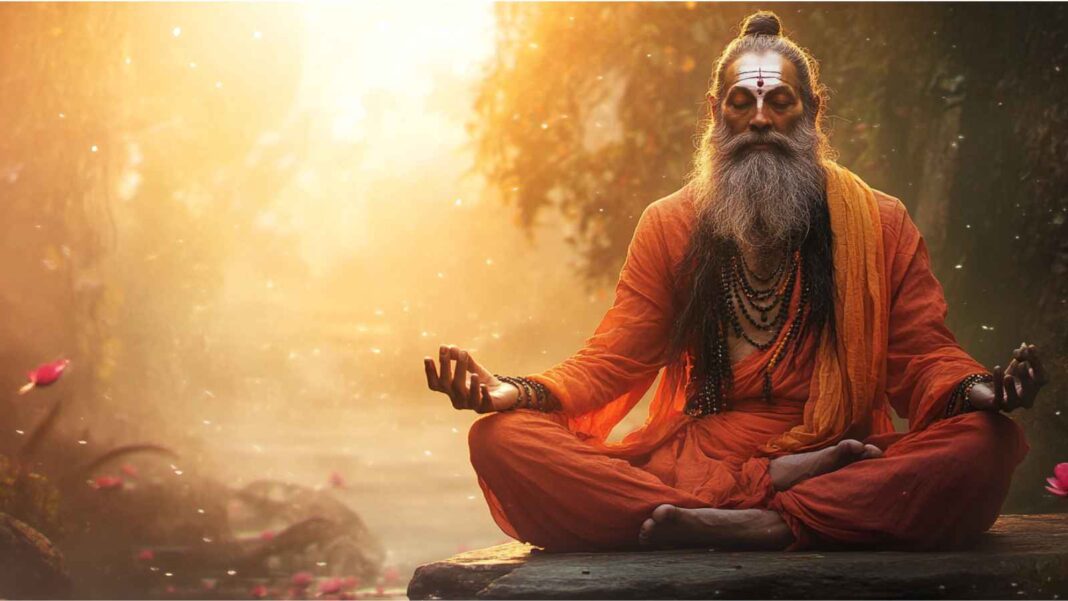
Samkhya Philosophy: Duality of Purusha and Prakriti Explained
Hinduism’s rich philosophical heritage offers diverse pathways to understand the nature of existence and the self. One of the oldest and most profound systems of thought in this tradition is Samkhya philosophy. Centered around the duality of Purusha (the conscious, unchanging principle) and Prakriti (the dynamic, ever-changing material nature), Samkhya has inspired spiritual seekers, shaped ritual practices, and contributed to the broader understanding of Hindu metaphysics. This article delves into the foundational aspects of Samkhya philosophy, examines its revered scriptures, and illustrates how its principles find resonance in sacred spaces across India. In doing so, we explore the interplay between lofty philosophy and the tangible experiences of temple devotees.
Read More About sacred texts
In this comprehensive guide, we will cover:
- A detailed introduction to Samkhya philosophy and its conceptual framework.
- An explanation of the duality of Purusha and Prakriti.
- An overview of foundational scriptures revered for their spiritual, philosophical, and ritual guidance.
- A showcase of select temples where Hinduism’s timeless wisdom comes alive—complete with location details, historical backgrounds, architectural highlights, and visitor experiences.
- A framework for generating compelling AI-based imagery to complement your understanding of Samkhya philosophy.
- SEO best practices, including a tailored title and meta description to help your content rank well.
Read on to explore the intricate dimensions of Samkhya philosophy, the mysteries of duality, and the spiritual heritage of India’s temples that continue to inspire millions.
I. Foundations of Samkhya Philosophy
Historical Context and Origin
Samkhya philosophy is one of the most ancient systems of thought in Hindu traditions. It is traditionally attributed to the sage Kapila, a legendary figure whose teachings have been passed down through the ages. Samkhya forms the intellectual underpinning for many subsequent schools of Indian philosophy, including Yoga and Vedanta. Whereas some aspects of Samkhya have been integrated into other spiritual practices, its unique emphasis on duality has remained distinct.
The historical evolution of Samkhya is marked by deep philosophical inquiry. Its ideas are primarily rooted in the early Upanishads, texts that explore the very nature of existence and the self. Over the centuries, scholarly works like the Sankhya Karika by Ishvara Krishna have codified its doctrines, making the duality of Purusha and Prakriti central to understanding the human condition and the cosmos.
The Core Concept: Duality of Purusha and Prakriti
At the heart of Samkhya philosophy lies the principle of dualism. This duality is expressed through two fundamental realities:
- Purusha: This is the purer, immutable principle that represents pure consciousness or spirit. Purusha is regarded as eternal, passive, and unchanging. It is the witness to the activities of the material world without itself being affected by these changes.
- Prakriti: In stark contrast, Prakriti is the dynamic, ever-changing material nature. It is the source of all energy, matter, and transformation in the universe. Prakriti is characterized by its inherent activity and creativity. According to Samkhya, the phenomenal world, including the mind and physical objects, emerges from the interplay of Prakriti’s various qualities (guṇas).
This philosophical framework explains the existence of both suffering and liberation. The entanglement of Purusha with the transformations of Prakriti leads to the cycles of creation and dissolution. Liberation, or Moksha, occurs when the individual soul (a manifestation of Purusha) realizes its true separation from the transient phenomena of Prakriti.
II. Foundational Scriptures of Samkhya Philosophy
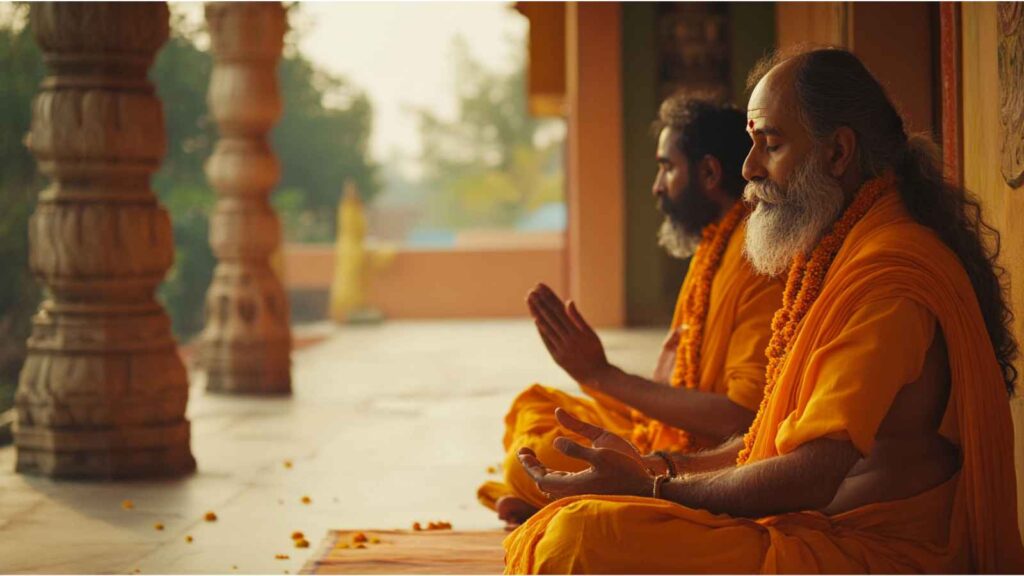
The teachings of Samkhya have been preserved through numerous sacred texts, which are revered for their spiritual, philosophical, and ritual guidance. These scriptures not only provide the doctrinal basis of Samkhya but also influence various aspects of daily religious practices.
1. Upanishads
The Upanishads are central to Hindu thought and are often regarded as the philosophical heart of the Vedas. Many Upanishadic texts discuss themes that are pivotal to Samkhya philosophy, such as the nature of consciousness, reality, and the separation between the self and the material world. They explore the interplay between the eternal and the ephemeral, setting the stage for later systematic treatments of duality.
2. Sankhya Karika
Authored by Ishvara Krishna, the Sankhya Karika is one of the principal treatises on Samkhya. It elucidates key concepts such as the transformation of Prakriti, the evolution of the universe, and the role of consciousness. The treatise is structured in concise verses that systematically present the ideas of dualism and the process of manifestation in the natural world.
3. Other Relevant Texts
- Brihadaranyaka and Chandogya Upanishads: These texts incorporate early ideas that influenced Samkhya thought.
- Yoga Sutras of Patanjali: While primarily a text on Yoga, Patanjali’s work borrows heavily from Samkhya philosophy, particularly in discussing the nature of the self and the role of consciousness in spiritual liberation.
These foundational scriptures are cited across centuries not only for their intellectual clarity but also for their profound spiritual insight. They continue to be pivotal in academic studies and spiritual practices alike, serving as guides for practitioners seeking deeper understanding of the self and the universe.
III. An In-Depth Exploration of Duality: Purusha and Prakriti
Understanding Purusha
Purusha is the embodiment of pure consciousness, the unchanging observer in the midst of the world’s flux. In Samkhya philosophy, Purusha is:
- Immutable: It remains untouched by the physical and mental processes taking place in the universe.
- Witness Consciousness: Purusha is the silent observer, never actively participating in creation but always aware.
- The True Self: It is identified as the essence of the individual, which can be realized through deep meditation and self-inquiry.
The ultimate goal of Samkhya practitioners is to recognize the difference between Purusha (the eternal observer) and Prakriti (the ever-changing material world) in order to attain liberation. This realization is pivotal to escaping the cycle of birth, death, and rebirth.
Understanding Prakriti
Contrary to Purusha, Prakriti is the fundamental reality behind all material manifestations:
- Dynamic and Creative: Prakriti is the source of everything that exists in the physical world, characterized by constant change and activity.
- Composite Nature: It comprises three primary guṇas (qualities)—Sattva (harmony and light), Rajas (activity and passion), and Tamas (inertia and darkness). The interplay and imbalance of these guṇas give rise to the diverse phenomena of the universe.
- Cause of Suffering and Transformation: While Prakriti is responsible for the dynamic aspects of life, it is also the root cause of suffering due to its transient and unstable nature.
In Samkhya philosophy, the world is essentially a manifestation of Prakriti. Liberation is achieved when one recognizes that the phenomena of Prakriti are not the true self. Instead, the true self, Purusha, remains constant and separate from the continually evolving material world.
The Interplay Between Purusha and Prakriti
The drama of existence, according to Samkhya, unfolds from the intricate relationship between these two entities. While Purusha is entirely passive and static, Prakriti undergoes endless change. The cosmic dance between the two explains:
- Creation and Dissolution: The phenomenal universe is seen as arising from Prakriti’s transformation and later dissolving back into it.
- Experience and Ignorance: Suffering is a consequence of mistaking Prakriti for the self. When an individual identifies with the fluctuating aspects of nature—thoughts, emotions, and bodily sensations—they are essentially misidentifying with Prakriti.
- Path to Liberation: Discrimination (viveka) between Purusha and Prakriti is the essential insight required for spiritual emancipation. Once a seeker realizes their true nature as Purusha, the illusory effects of Prakriti no longer dominate their existence.
Many modern spiritual practices, including forms of meditation and yoga, use these insights to help practitioners disentangle from the distractions of the material world and experience a deeper, unchanging reality.
IV. Samkhya Philosophy in Practice and Ritual
Philosophical Application in Daily Life
Samkhya’s teachings are not merely abstract theories; they serve as practical guides for daily living. Recognizing the transient nature of Prakriti helps individuals develop a sense of detachment and clarity. This detachment, however, is not indifference—it cultivates a balanced life where one can enjoy worldly activities without being overwhelmed by them.
Key applications of Samkhya philosophy in everyday life include:
- Mindfulness and Meditation: By focusing on the distinction between the inner observer (Purusha) and the outer world (Prakriti), practitioners can achieve a state of inner calm.
- Ethical Living: Understanding the root causes of suffering encourages adherents to act with compassion and mindfulness in their interactions.
- Spiritual Discipline: The constant engagement with the changing nature of Prakriti fosters humility, prompting individuals to seek the eternal wisdom of Purusha.
Rituals and Spiritual Practices
Rituals in Hindu traditions often echo the dualistic themes of Samkhya:
- Ritual Purification: Various ceremonies are designed to cleanse the impurities of the physical and mental body—representations of Prakriti—so that the true, unchanging self (Purusha) may be realized.
- Yoga and Meditation Retreats: These retreats frequently incorporate Samkhya-inspired practices, guiding practitioners to discern the ephemeral from the eternal.
- Scriptural Recitations: Chanting and reciting passages from the Upanishads and the Sankhya Karika reinforce the philosophical tenets of duality, fostering a deeper internalization of these concepts.
The influence of Samkhya is also evident in several rituals and festivals where the transient nature of the material world is symbolically celebrated, and the eternal is revered.
V. Temples: Living Centers of Philosophical and Spiritual Wisdom
While Samkhya philosophy provides the intellectual framework for understanding the universe, Hindu temples offer living, breathing embodiments of this ancient wisdom. Temples not only serve as places of worship but also as cultural hubs where the interplay of the eternal and the transient is celebrated. Below, we explore three renowned temples that reflect these dualities through their spiritual ambiance, historical heritage, and architectural splendor.
1. Kashi Vishwanath Temple
Name and Exact Location
Kashi Vishwanath Temple
Location: Varanasi, Uttar Pradesh, India
Historical Background
Kashi Vishwanath Temple is one of Hinduism’s most venerated shrines. With roots that trace back to ancient times, the temple is intricately linked with the city of Varanasi—a city celebrated as a beacon of spiritual wisdom and enlightenment. Historically, the temple has withstood the test of time through numerous renovations and reconstructions, each undertaken with deep devotional fervor. Ancient texts and local legends speak of its divine origins and the eternal presence of Lord Shiva, making it a living symbol of the interplay between the transient (the mortal world) and the eternal (the divine).
Architectural Highlights
- Intricate Sculptures and Carvings: The temple is adorned with elaborate sculptures and carvings that depict mythological episodes and philosophical allegories, echoing the dual themes of Samkhya.
- Sacred Mandapas: Spacious prayer halls, or mandapas, serve as places for congregation and spiritual recitation, reinforcing the connection between material space and spiritual transcendence.
- Resonant Ambience: The interplay of natural light, shadow, and ornate carvings provides a subtle yet immersive environment for meditation and reflection.
Visitor Experience
Visitors to Kashi Vishwanath Temple often describe an overwhelming sense of peace combined with an energetic spiritual pulse. The rhythmic clanging of temple bells, the wafting scent of incense, and the collective chanting of devotees evoke an atmosphere where the eternal presence of Purusha is palpably felt amidst the dynamic tapestry of Prakriti.
2. Srirangam Ranganathaswamy Temple
Name and Exact Location
Srirangam Ranganathaswamy Temple
Location: Srirangam, Tiruchirapalli District, Tamil Nadu, India
Historical Background
Srirangam Ranganathaswamy Temple is one of the largest functioning temple complexes in India. With a history that spans over a millennium, the temple stands as a testament to the evolving nature of art, spirituality, and cultural synthesis. It has played a significant role in the development of devotional traditions and philosophical thought in South India. Historically, the temple has been a focal point for the dissemination of sacred knowledge, reinforcing the interplay of the static (the unwavering divine) and the dynamic (the evolving rituals and practices).
Architectural Highlights
- Expansive Temple Complex: The temple’s sprawling design features multiple enclosures (prakarams) that exhibit detailed carvings, towering gopurams (gateway towers), and expansive courtyards.
- Ornate Statues and Murals: Every wall and pillar is a canvas depicting stories from ancient scriptures, seamlessly blending the themes of divine eternity and worldly progression.
- Water Tanks and Ritual Spaces: The sacred water tanks found within the complex provide spots for ritual purification and meditation, reinforcing the philosophical concept of renewal and dissolution.
Visitor Experience
The temple captivates visitors with its blend of grandeur and intimacy. Tourists and devotees alike remark on the sense of awe evoked by its towering spires and meticulously crafted sculptures. The vibrant processions, melodic temple chants, and the palpable devotion create an immersive experience where one can reflect on the transient nature of life while celebrating the eternal.
3. Brihadeeswarar Temple
Name and Exact Location
Brihadeeswarar Temple
Location: Thanjavur, Tamil Nadu, India
Historical Background
Constructed during the reign of the Chola dynasty, Brihadeeswarar Temple is a UNESCO World Heritage Site known for its historical and cultural significance. The temple stands as a monument to the Chola kings’ devotion to Lord Shiva and their mastery over art and architecture. Its construction is celebrated as a period when spiritual aspirations and empirical achievements converged, creating a space where the tangible and intangible coalesce harmoniously.
Architectural Highlights
- Majestic Vimana: The temple’s towering vimana (central shrine tower) is a marvel of ancient engineering, symbolizing the aspiration of reaching towards the divine.
- Intricate Bas-Reliefs: The walls and pillars are lined with detailed bas-reliefs that narrate epic tales from Hindu scriptures, illustrating the dynamic interplay of creation and dissolution.
- Innovative Design: The balanced design integrates symmetry with elaborate ornamentation, exemplifying the union of static beauty and evolving art—a reflection of the eternal essence within fleeting worldly forms.
Visitor Experience
Devotees and tourists often describe a transcendent experience when visiting Brihadeeswarar Temple. The combination of architectural magnificence, historical significance, and ongoing vibrant rituals creates an atmosphere that is both grounding and elevating. Visitors are encouraged to reflect on the principles of Samkhya as they witness the convergence of art, tradition, and spirituality.