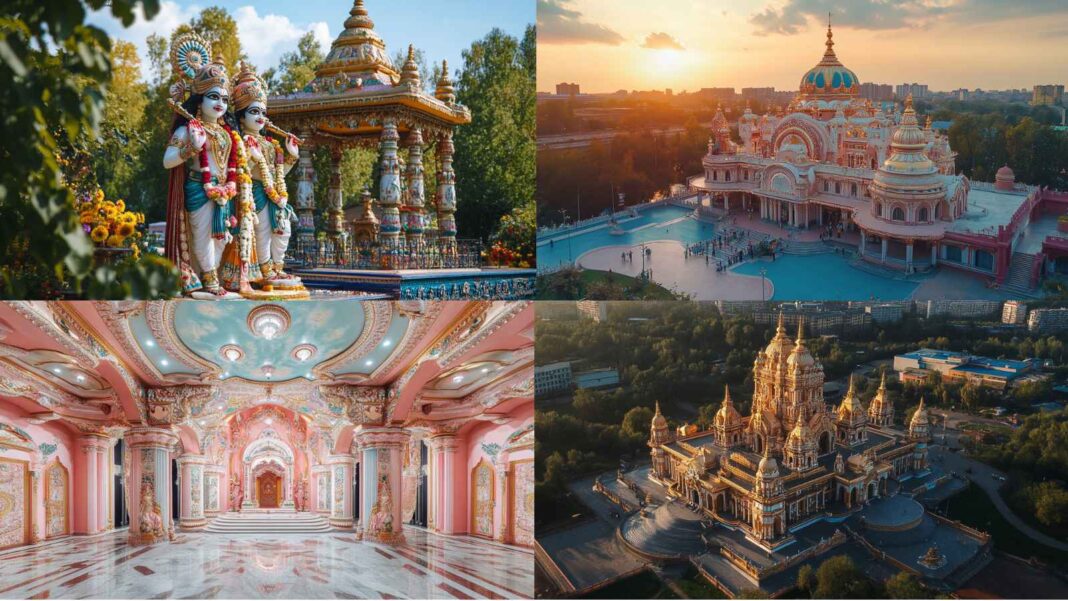
Top 10 Must-Visit Hindu Temples in Romania
Introduction
Hinduism, one of the world’s oldest living religions, has long been celebrated for its rich tapestry of spiritual practices, sacred texts, and profound philosophies. While India is the heartland of Hindu culture, the vibrant legacy of this ancient faith has crossed continents and found new expressions in unexpected places. Romania—a country steeped in its own rich traditions and diverse cultural heritage—has witnessed the emergence of Hindu temples that serve as spiritual oases for both the Indian diaspora and curious travelers alike.
In Romania’s bustling cities and quaint towns, these temples not only provide a haven for devotion and meditation but also stand as architectural landmarks that echo the timeless artistry of ancient India. They are living embodiments of the Hindu spirit, where age-old rituals meet modern design and where cultural exchange paves the way for a deeper understanding of spiritual diversity. Top 10 Must-Visit Hindu Temples in Romania
Whether you are a devout pilgrim eager to experience the sacred ambiance of a temple, an architecture enthusiast fascinated by intricate carvings and colorful murals, or a cultural explorer keen on discovering unique facets of global heritage, this guide will lead you through the top 10 must-visit Hindu temples in Romania. Each temple tells a story—of its founders, its community, and the divine legends it enshrines. From the bustling streets of Bucharest to the serene corners of Transylvania, join us on a journey that bridges the gap between East and West and celebrates the universal appeal of Hindu devotion.
Read More About Hindu Temple
1. Sri Lakshmi Narayan Temple Bucharest
Exact Location:
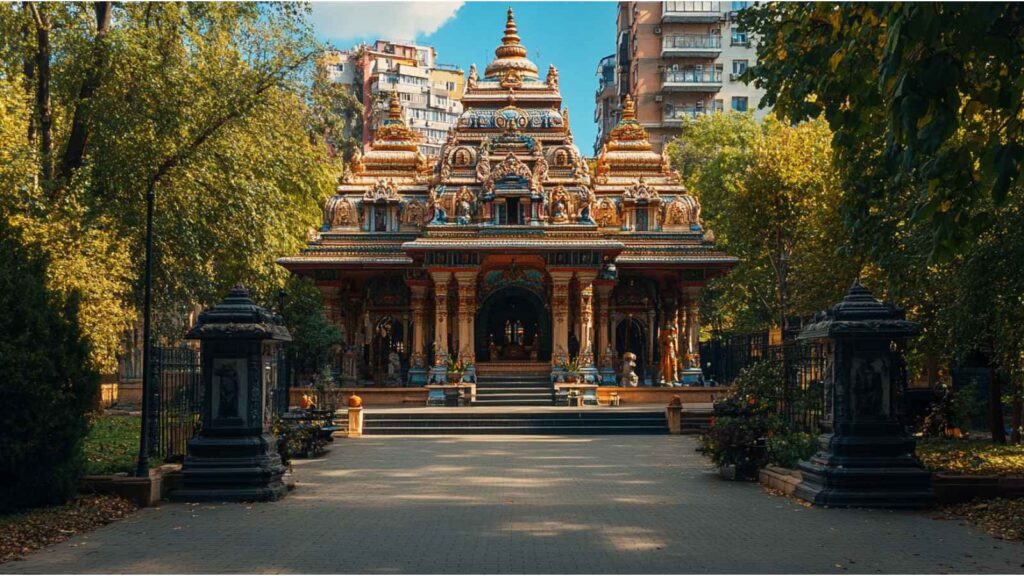
Nestled in the heart of Bucharest near the historic Lipscani district, Sri Lakshmi Narayan Temple is located at 12 Strada Ion Câmpineanu, Bucharest, Romania.
Historical Background:
Sri Lakshmi Narayan Temple was established in the early 2000s by a group of visionary Indian expatriates and local devotees who sought to create a sanctuary of peace and spirituality in Romania’s bustling capital. Inspired by the timeless worship of Lord Vishnu and Goddess Lakshmi, the temple’s founding was driven by a desire to preserve the sacred traditions of Hinduism and to foster cultural exchange. Over the years, this temple has evolved into a vibrant community center where annual celebrations such as Diwali and Navaratri are observed with great devotion and fervor.
Architectural Highlights:
The temple’s architecture is a harmonious blend of traditional South Indian temple design and subtle European influences. Visitors are greeted by an ornate façade featuring intricately carved stone panels and decorative motifs that narrate ancient mythological tales. The main sanctum, illuminated by natural light filtering through stained glass windows, houses exquisite idols of Lord Vishnu and Goddess Lakshmi. The interplay of vibrant murals, elegant domes, and detailed sculptures reflects both the artistic heritage of ancient India and the modern aspirations of its community in Romania.
Visitor Experience:
At Sri Lakshmi Narayan Temple, visitors find themselves immersed in an atmosphere of reverence and serenity. The temple’s peaceful ambiance—accentuated by melodious chants and the gentle scent of incense—provides a welcome retreat from the urban rush. Guided tours often delve into the temple’s rich history and architectural nuances, while festive events offer visitors an opportunity to participate in traditional rituals, cultural performances, and community feasts. Whether you are seeking spiritual solace or simply wish to admire a unique blend of cultural artistry, this temple promises an enriching and memorable experience.
2. Shri Hanuman Mandir Bucharest
Exact Location:
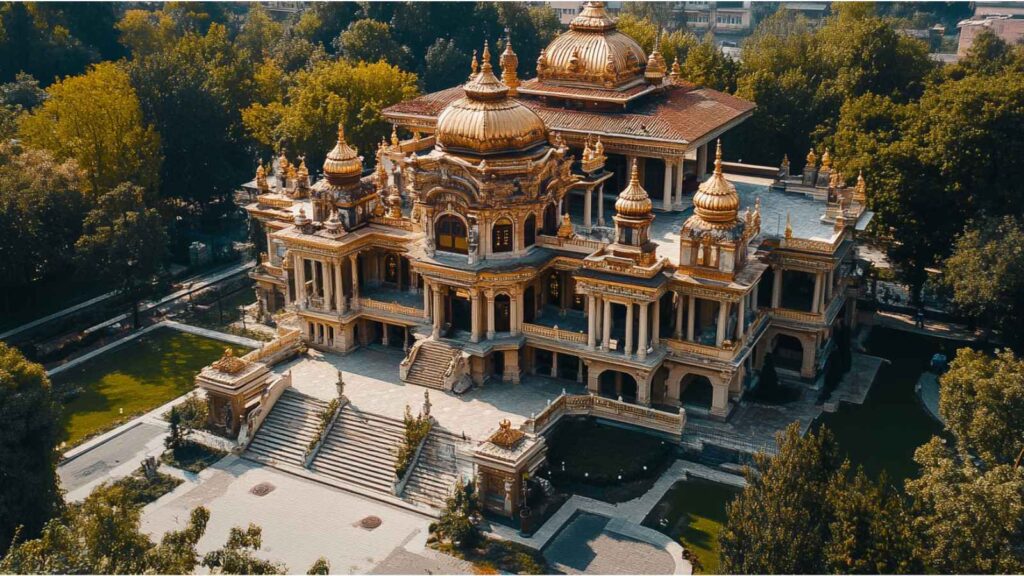
Located in the vibrant Sector 3 of Bucharest near the Rahova neighborhood, Shri Hanuman Mandir can be found at 25 Bulevardul Ion Mihalache, Bucharest, Romania.
Historical Background:
Dedicated to the mighty Lord Hanuman—the epitome of strength, devotion, and loyalty—Shri Hanuman Mandir was established in the late 1990s by a community of Indian professionals and merchants. This temple stands as a testament to the enduring spirit of service and the belief in overcoming obstacles through faith. Its history is enriched by countless stories of personal transformation and community solidarity, making it a cherished space where devotees celebrate Hanuman’s legendary feats and virtues.
Architectural Highlights:
Shri Hanuman Mandir boasts a striking design that marries traditional Hindu symbolism with modern construction techniques. The temple’s entrance features a majestic gateway adorned with intricate carvings that depict various episodes from the epic Ramayana. Inside, the sanctuary is bathed in natural light, with vibrant murals and a central statue of Lord Hanuman that exudes energy and dynamism. The structure’s clean lines and contemporary finishes blend seamlessly with traditional embellishments, creating a space that is both awe-inspiring and accessible to all.
Visitor Experience:
Visitors to Shri Hanuman Mandir are enveloped in a vibrant atmosphere of devotion and communal spirit. The temple regularly hosts energetic aartis, devotional music sessions, and interactive storytelling events that bring Hanuman’s heroic deeds to life. Whether you come to offer your prayers or simply absorb the uplifting ambiance, the temple’s friendly community and well-organized programs ensure that every visitor leaves with a sense of empowerment and renewed faith.
3. Shri Ram Temple Cluj-Napoca
Exact Location:
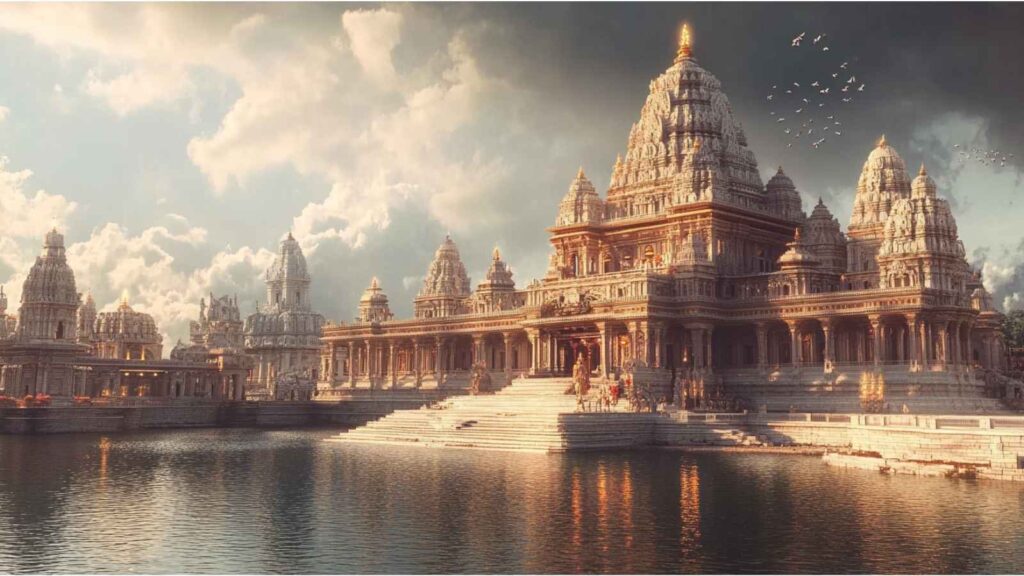
In the culturally dynamic city of Cluj-Napoca, Shri Ram Temple is located at Strada Memorandumului 7, Cluj-Napoca, Romania.
Historical Background:
Shri Ram Temple in Cluj-Napoca was founded by a dedicated group of Hindu students and professionals who arrived in Romania seeking higher education and career opportunities. Inspired by the timeless narrative of the Ramayana, the temple was established in the early 2000s as a hub for spiritual learning and cultural exchange. Over the years, it has grown into a center for intellectual discourse and community bonding, hosting seminars, recitals, and theatrical performances that recount the epic journey of Lord Rama.
Architectural Highlights:
The architectural design of Shri Ram Temple is a stunning synthesis of ancient Indian styles and modern European aesthetics. The temple’s façade is characterized by a series of arched entrances and intricately carved pillars that echo the grandeur of Indian palaces. Inside, the sanctum sanctorum is a visual masterpiece, featuring detailed frescoes, handcrafted wooden panels, and a life-like idol of Lord Rama, accompanied by Goddess Sita and Lakshmana. The thoughtful use of natural materials, soft lighting, and traditional motifs creates an ambiance that encourages introspection and reverence.
Visitor Experience:
At Shri Ram Temple, the visitor experience is both immersive and enlightening. Regularly organized cultural events—such as Ram Navami celebrations, storytelling sessions, and classical music recitals—invite visitors to explore the rich cultural heritage associated with Lord Rama. Visitors are encouraged to participate in guided tours, interactive workshops, and community dinners that provide insights into the temple’s historical significance and architectural beauty. This temple not only serves as a place of worship but also as a vibrant center of learning and cultural celebration.
4. Sri Venkateswara Temple Timisoara
Exact Location:
Situated in the historic district of Timisoara, Sri Venkateswara Temple is located at Strada Vasile Parvan 18, Timisoara, Romania.
Historical Background:
Sri Venkateswara Temple is dedicated to Lord Venkateswara, a revered manifestation of Lord Vishnu known for his benevolence and protective grace. Established in the mid-2000s by a coalition of South Indian expatriates and local devotees, the temple was built to honor the divine traditions of the Tirumala temple in India. Over time, it has become a symbol of cultural resilience and spiritual continuity for the Indian community in Timisoara, hosting regular rituals, festivals, and outreach programs that promote the timeless values of devotion and charity.
Architectural Highlights:
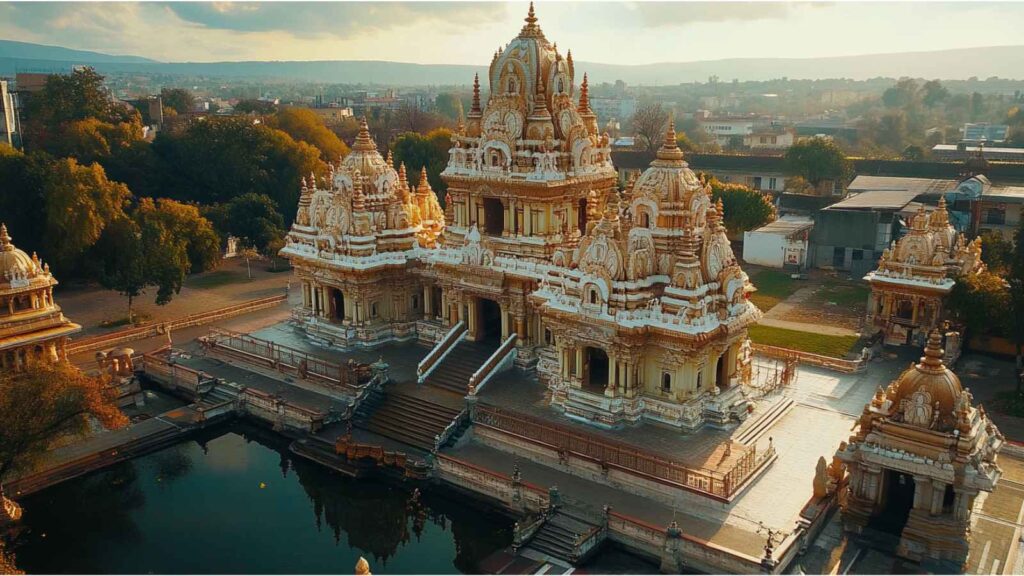
The temple’s design is a brilliant amalgamation of traditional Dravidian architecture and local influences. A towering gopuram (temple tower) welcomes visitors with its detailed sculptures and vibrant color palette, while the main sanctum is enriched by delicate carvings and ornate murals that depict various mythological episodes. The use of polished stone, graceful arches, and dynamic lighting not only highlights the temple’s artistic excellence but also creates a serene environment that enhances the spiritual experience.
Visitor Experience:
Visitors to Sri Venkateswara Temple are drawn to its tranquil ambiance and the promise of divine blessings. The temple’s serene environment, punctuated by rhythmic chants and the soft tolling of bells, offers a meditative retreat from the urban hustle. Devotees can participate in traditional poojas, abhishekams (ritual bathing of the deity), and cultural workshops that illuminate the rich heritage of South Indian temple traditions. Friendly volunteers and knowledgeable guides are always on hand to share the temple’s history and significance, making every visit a journey of discovery and devotion.
5. Sai Baba Temple, Brasov
Exact Location:
Located in the charming medieval city of Brasov, Sai Baba Temple can be found at Strada Republicii 15, Brasov, Romania.
Historical Background:
Dedicated to the universally revered saint Shirdi Sai Baba, the Sai Baba Temple in Brasov was established in the early 2010s by a passionate group of devotees. Drawn by Sai Baba’s message of love, compassion, and unity, the founders envisioned a space where people from all walks of life could come together in prayer and reflection. The temple quickly became a cultural beacon in Brasov, fostering a sense of community and serving as a bridge between the ancient spiritual traditions of India and the modern, multicultural fabric of Romania.
Architectural Highlights:
Sai Baba Temple in Brasov is designed with simplicity and devotion at its core. The structure features a modest yet elegant façade with inscriptions celebrating Sai Baba’s teachings and life events. Inside, the temple is characterized by warm hues, natural materials, and subtle decorative elements that evoke a sense of calm and introspection. Large windows let in abundant natural light, enhancing the gentle ambiance, while traditional Indian art pieces and photographs of Sai Baba add a personal, heartfelt touch to the space.
Visitor Experience:
The visitor experience at Sai Baba Temple is one of warmth and inclusivity. Devotees from the local community and visiting tourists alike are welcomed into an environment that emphasizes personal connection and spiritual healing. Daily aartis, bhajans (devotional songs), and meditation sessions create a rhythm of devotion that resonates with the universal values of Sai Baba’s teachings. Many visitors appreciate the temple’s commitment to community outreach, with regular charity events and discussion groups that foster understanding and compassion among diverse groups of people.
6. Krishna Temple, Iasi
Exact Location:
In the culturally rich city of Iasi, Krishna Temple is located at Bulevardul Unirii 32, Iasi, Romania.
Historical Background:
Krishna Temple in Iasi was founded by a vibrant community of Indian students, professionals, and local enthusiasts who wished to celebrate the playful and profound legacy of Lord Krishna. Established in the early 2000s, the temple quickly gained a reputation as a center for cultural dialogue and artistic expression. The temple’s history is interwoven with the joyous celebrations of Janmashtami, where Krishna’s birth is commemorated with elaborate rituals, devotional dances, and spirited music sessions that have since become a hallmark of its legacy.
Architectural Highlights:
The architectural design of Krishna Temple is a reflection of both tradition and innovation. The exterior showcases graceful arches and intricately carved reliefs that depict various episodes from Krishna’s life—from his enchanting childhood antics to his role as a wise guide in the Mahabharata. Inside, the sanctum is a canvas of vibrant murals, handcrafted sculptures, and ornate decorative elements that invite deep contemplation and celebration of divine love. Modern lighting and climate control have been thoughtfully integrated, ensuring that the artistic details are preserved while providing comfort to all visitors.
Visitor Experience:
At Krishna Temple, visitors are treated to an immersive cultural and spiritual journey. The temple frequently organizes kirtans (devotional singing sessions), interactive storytelling events, and classical music recitals that breathe life into the ancient legends of Krishna. The warm, welcoming atmosphere and well-curated community programs encourage visitors to participate actively in rituals and festivals. Whether you are a lifelong devotee or a curious traveler, the temple’s vibrant energy and artistic charm promise a uniquely enriching experience.
7. Durga Mandir, Constanta
Exact Location:
Durga Mandir is located in the coastal city of Constanta at Strada Ovidiu 8, Constanta, Romania, making it easily accessible for those seeking a spiritual retreat by the sea.
Historical Background:
Dedicated to Goddess Durga—the fierce yet nurturing embodiment of divine feminine power—Durga Mandir in Constanta was established in the mid-2000s by members of the local Hindu community. The temple was created as a space for celebrating the strength and resilience of the goddess, particularly during the festive period of Navaratri. Its historical narrative is rich with stories of courage and transformation, offering solace and empowerment to devotees seeking to overcome life’s challenges.
Architectural Highlights:
Durga Mandir’s design is a vibrant interplay of bold colors and intricate carvings. The temple’s façade is adorned with detailed sculptures of the goddess in her warrior form, along with symbolic motifs that represent power and protection. Inside, the sanctum is awash with natural light that accentuates delicate frescoes, ornate pillars, and handcrafted artifacts. The temple’s design successfully merges traditional Indian artistry with modern construction techniques, creating an inviting and inspirational space for meditation and prayer.
Visitor Experience:
Visitors to Durga Mandir experience a transformative journey marked by a palpable sense of energy and devotion. Regular cultural performances, traditional dance recitals, and ritualistic ceremonies—especially during Navaratri—offer a multisensory exploration of the goddess’s lore. The temple’s dedicated volunteers and community programs ensure that every visitor feels welcomed and valued, whether they come seeking divine blessings or an immersive cultural experience by the Black Sea.
8. Annapurna Temple, Ploiesti
Exact Location:
Located in the industrial yet evolving city of Ploiesti at Strada Fabricii 4, Ploiesti, Annapurna Temple offers a unique blend of spiritual solace amid urban development.
Historical Background:
Annapurna, the goddess of nourishment and abundance, is celebrated at this temple as a symbol of both physical and spiritual sustenance. Founded in the 2010s by local Indian professionals and students, Annapurna Temple was envisioned as a community hub where the ideals of charity, hospitality, and care converge. Over time, the temple has become synonymous with community outreach and social welfare, hosting regular food drives, cultural workshops, and seasonal festivities that honor the goddess’s benevolent nature.
Architectural Highlights:
Annapurna Temple is distinguished by its contemporary design interwoven with traditional elements. The façade features clean lines accented with subtle carvings and vibrant reliefs that hint at the goddess’s mythological stories. The interior is thoughtfully designed with open spaces, natural light, and the soft hum of devotional music, creating an atmosphere of calm and abundance. The integration of water features and landscaped gardens further enhances the temple’s symbolic representation of nourishment and growth.
Visitor Experience:
Visitors to Annapurna Temple are greeted with an ambiance of warmth and care. The temple’s regular community kitchens, interactive workshops, and volunteer-led initiatives allow visitors to experience the spirit of giving that defines the goddess Annapurna. Whether attending a special pooja or simply enjoying the serene environment, guests often leave with a sense of fulfillment, inspired by the temple’s commitment to both spiritual and social nourishment.
9. Mahalakshmi Temple, Sibiu
Exact Location:
Set against the historic backdrop of Sibiu’s medieval charm, Mahalakshmi Temple is located at Strada Avrig 11, Sibiu, Romania.
Historical Background:
Mahalakshmi Temple is dedicated to Goddess Mahalakshmi—the divine symbol of wealth, prosperity, and well-being. Founded by a collaborative group of business professionals and spiritual enthusiasts in the early 2000s, the temple was established to provide a space where devotees could seek blessings for both material success and spiritual growth. Over the years, it has become a revered institution in Sibiu, hosting special ceremonies during Diwali and other auspicious occasions that celebrate abundance and gratitude.
Architectural Highlights:
The temple’s design is a celebration of opulence and tradition. Its exterior features richly detailed carvings and decorative motifs that narrate mythological tales of prosperity and fortune. Inside, the sanctum is adorned with a beautifully sculpted idol of Goddess Mahalakshmi, set against intricately painted walls that depict scenes from ancient scriptures. Modern amenities have been seamlessly integrated, ensuring that while the temple maintains its traditional grandeur, it remains a comfortable and accessible space for devotees.
Visitor Experience:
A visit to Mahalakshmi Temple in Sibiu offers a multi-layered sensory experience. Visitors are welcomed by the gentle chime of bells, the delicate fragrance of fresh flowers, and the warm glow of carefully arranged lighting. Regular poojas, devotional music, and community discussions on spiritual prosperity create an atmosphere that is both uplifting and inspiring. Guests often leave with not only a sense of divine blessing but also practical insights into integrating spiritual wealth with daily life.
10. Navagraha Temple, Oradea
Exact Location:
In the vibrant city of Oradea, Navagraha Temple is uniquely situated at Strada Republicii 9, Oradea, Romania—a location that reflects its cosmic inspiration.
Historical Background:
Navagraha Temple stands out for its innovative approach to traditional worship. Established in the late 2010s by a group of scholars, astrologers, and devoted practitioners, the temple is dedicated to the nine celestial deities known as the Navagrahas. These deities are believed to influence human destiny and cosmic balance. The temple’s inception was driven by a desire to blend ancient Vedic wisdom with modern scientific curiosity, making it a hub for spiritual learning and astrological research.
Architectural Highlights:
The design of Navagraha Temple is as modern as it is symbolic. Featuring a layout that incorporates nine distinct altars—each dedicated to one of the celestial bodies—the temple uses ambient lighting, reflective surfaces, and contemporary sculptures to evoke the mystery of the cosmos. The creative integration of traditional iconography with abstract, modern art makes the temple an architectural conversation piece that invites both meditation and intellectual exploration.
Visitor Experience:
At Navagraha Temple, visitors embark on a journey that bridges the gap between tradition and modernity. The temple regularly hosts workshops on Vedic astrology, meditation sessions, and guided tours that explain the influence of planetary energies on human life. Its serene atmosphere, punctuated by the gentle cadence of devotional hymns and the soft glow of modern lighting, offers a space for both spiritual inquiry and scientific curiosity. Whether you’re an astrology enthusiast or simply seeking an unconventional spiritual experience, Navagraha Temple promises an enlightening visit.