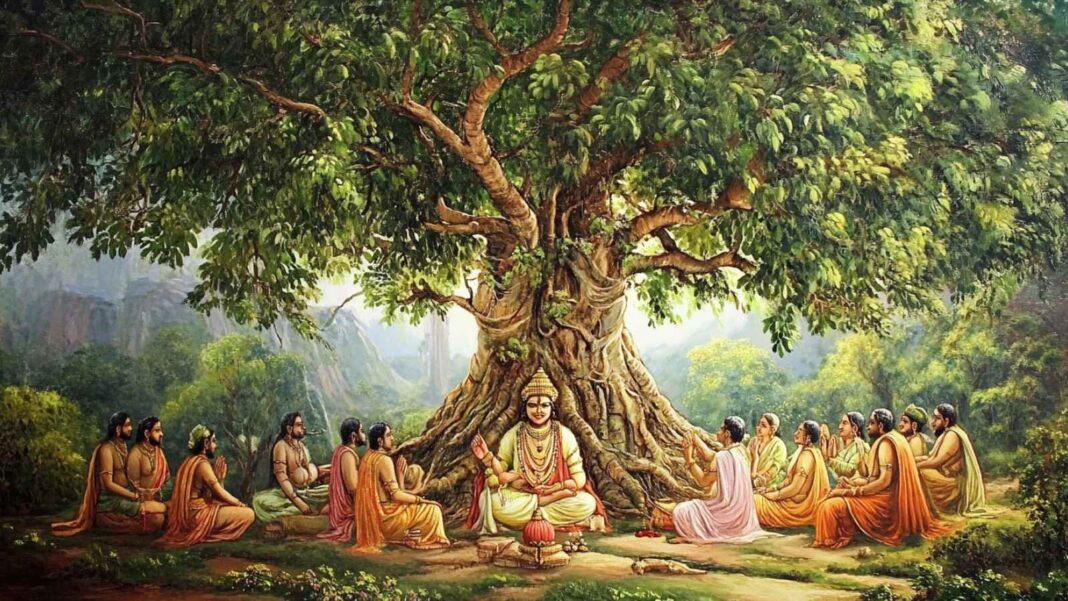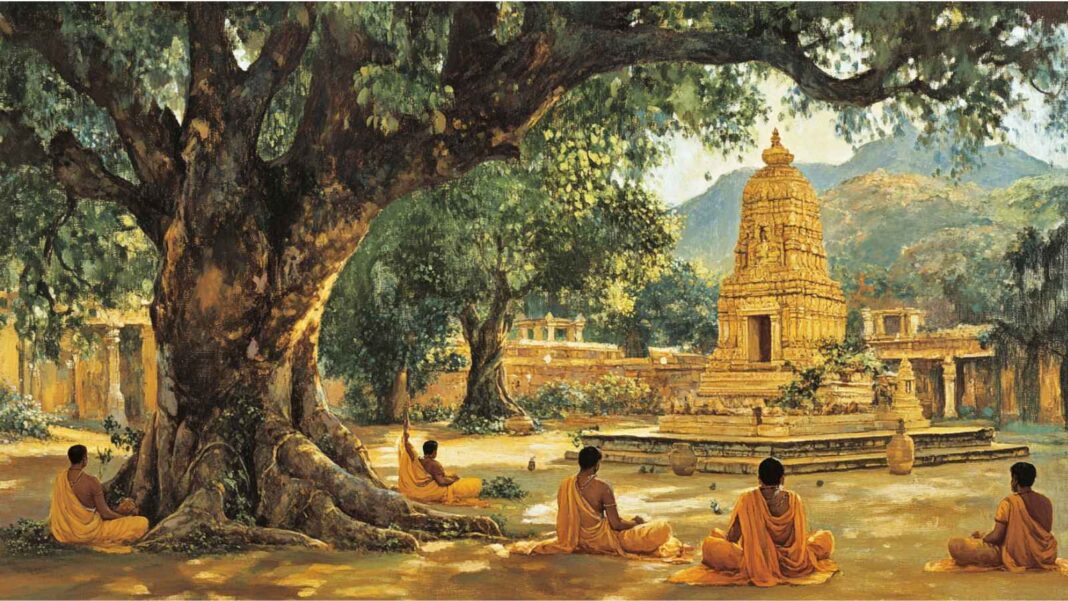

Nature has always been an integral part of Hindu spirituality, and among its many revered elements, the Neem tree (Azadirachta indica) holds a special place. Known for its remarkable healing properties and purifying essence, the Neem tree is not merely a botanical marvel but a living symbol of divine intervention, protection, and eternal well-being.
Read More About sacred texts
Across millennia, ancient scriptures such as the Vedas, Upanishads, and various Puranas have extolled the virtues of the Neem tree. Its bitter leaves and robust bark are celebrated for their medicinal benefits, while its role in ritual purification and daily worship underscores its spiritual prominence. In Hindu households, the Neem tree is a constant reminder of nature’s benevolence and the interconnectedness of life.
This article delves into the multifaceted significance of the Neem tree in Hinduism. We will explore its spiritual and philosophical dimensions, examine foundational scriptures that guide its worship, and detail ritual practices that invoke its divine energies. In addition, a comprehensive temple profile of the Neem Sadhana Mandir in Ahmedabad, Gujarat, provides historical insights, architectural highlights, and immersive visitor experiences. Furthermore, we offer creative ideas for AI-generated imagery to capture the Neem tree’s sacred beauty, complete with references and citation frameworks.
Whether you are a devout seeker, a cultural enthusiast, or simply curious about the spiritual heritage of India, this guide offers a deep exploration of the Neem tree as one of Hinduism’s most cherished symbols.
The Spiritual and Philosophical Significance of the Neem Tree

Sacred Symbolism in Hindu Tradition
The Neem tree is venerated as one of the most auspicious and powerful sacred flora in Hinduism. Its significance is manifold:
- Divine Protector:
Revered as a guardian against evil and disease, the Neem tree is often seen as a natural purifier. Its bitter leaves are believed to ward off negative energies and protect the household. - Symbol of Healing and Purification:
Used extensively in Ayurveda, the Neem tree is celebrated for its medicinal properties. In spiritual practices, its ability to cleanse the body and mind mirrors the purification of the soul. - Eternal Life and Resilience:
The Neem tree’s robust growth and longevity symbolize endurance and the eternal nature of life. Its ability to thrive in harsh conditions is seen as a metaphor for spiritual resilience and renewal. - Connection to the Divine:
In many ancient texts, the Neem tree is associated with the divine. Its presence in sacred groves and near temples underscores its role as a mediator between the mortal realm and higher spiritual dimensions.
Foundational Scriptures and Divine Guidance
Ancient Hindu scriptures provide a rich tapestry of spiritual insights that highlight the sanctity of the Neem tree:
- Vedas and Upanishads:
These seminal texts, which form the bedrock of Hindu philosophy, view nature as a direct manifestation of the divine. The Neem tree, with its purifying properties, is often interpreted as a symbol of the primordial source of life and spiritual energy. - Puranas:
Numerous Puranic texts contain legends that illustrate the miraculous aspects of the Neem tree. Stories recount how the Neem tree provided refuge and healing to sages and deities alike, reinforcing its role as a guardian of health and well-being. - Ayurvedic Texts:
Classical Ayurvedic literature such as the Charaka Samhita and Sushruta Samhita detail the therapeutic virtues of Neem. These texts not only describe its physical benefits but also extol its role in spiritual detoxification and overall harmony. - Ritual Manuals:
Traditional manuals prescribe specific rituals for Neem tree worship. These include offerings of water, flowers, and sacred ash, as well as the recitation of mantras aimed at invoking its protective and healing energies.
“The Neem tree, with its bitter leaves and resilient form, embodies the duality of nature—offering both protection and purification, a true reflection of the divine balance in the universe.”
(A sentiment that resonates through the Vedic hymns and Ayurvedic scriptures.)
Ritual Practices and Devotional Observances

Daily Worship and Household Traditions
In many Indian homes, the Neem tree is much more than a medicinal plant—it is an essential part of daily spiritual practice:
- Morning and Evening Puja:
Devotees often perform puja (ritual worship) at the break of dawn and at dusk. Offerings of water, flowers, and incense are made at the Neem tree, accompanied by the recitation of mantras that seek to invoke its purifying blessings. - Seasonal Observances:
During certain lunar phases and seasonal transitions, special rituals are conducted in honor of the Neem tree. These ceremonies, often held in community settings, are designed to align the energies of nature with the well-being of the community. - Medicinal Rituals:
The Neem tree is integral to many Ayurvedic remedies. Its leaves are used to prepare herbal concoctions that are believed to purify the body and ward off illnesses. This dual role of the Neem tree—as both a spiritual symbol and a medicinal herb—cements its status in Hindu tradition.
Festivals and Community Celebrations
The Neem tree also plays a central role in several Hindu festivals and community gatherings:
- Neem Day Celebrations:
Some regions in India celebrate “Neem Day” as a time to honor the tree’s healing properties and to promote environmental consciousness. These celebrations often include community fairs, educational programs, and ritual ceremonies. - Regional Festivals:
In states such as Gujarat and Maharashtra, festivals centered on health and purification frequently incorporate the Neem tree as a symbol of divine protection and well-being. - Educational and Cultural Programs:
Many schools and community centers use the Neem tree as an educational symbol to teach the principles of Ayurveda, environmental conservation, and sustainable living, thereby intertwining ancient wisdom with modern ecological practices.
Temple Profile: Neem Sadhana Mandir, Ahmedabad, Gujarat
One of the most revered temples dedicated to the sacred Neem tree is the Neem Sadhana Mandir located in Ahmedabad, Gujarat. This temple is a living testament to the enduring legacy of the Neem tree as a symbol of health, purification, and spiritual enlightenment.
Name and Exact Location
- Temple Name: Neem Sadhana Mandir
- Location: Ahmedabad, Gujarat, India
Historical Background
Neem Sadhana Mandir has a rich historical tapestry woven through centuries of devotion and cultural evolution:
- Ancient Origins:
According to local legend, the site where the temple now stands was once home to an ancient Neem tree revered by sages and healers. It is believed that this sacred tree served as a natural sanctuary where divine wisdom and medicinal knowledge were passed down through generations. - Royal Patronage and Community Heritage:
Over the centuries, local rulers and community leaders recognized the spiritual and medicinal importance of the Neem tree. They provided patronage for the construction of a temple that would enshrine this living symbol. The temple has since been a center of healing, meditation, and cultural preservation. - Cultural Renaissance:
In more recent times, the Neem Sadhana Mandir has been renovated to incorporate modern amenities while preserving its ancient charm. The temple continues to be a vibrant hub for spiritual seekers, traditional healers, and community gatherings.
Architectural Highlights
The architecture of Neem Sadhana Mandir reflects a harmonious blend of ancient design principles and contemporary innovations:
- Integration with Nature:
The temple is uniquely designed around a central Neem tree, which is considered the living deity of the complex. The structure seamlessly integrates natural elements with built architecture, allowing the tree’s expansive canopy to serve as a constant reminder of nature’s omnipresence. - Intricate Carvings and Iconography:
Detailed carvings adorn the temple’s walls and pillars, featuring motifs of Neem leaves, traditional symbols, and scenes from ancient scriptures. These artistic expressions serve both as devotional icons and as educational tools, narrating the sacred lore associated with the Neem tree. - Open Courtyards and Meditation Spaces:
The temple complex includes open courtyards that encourage community interaction and quiet reflection. Dedicated meditation pavilions, designed with natural materials and serene landscaping, offer visitors tranquil spaces for introspection and prayer. - Modern Enhancements:
While retaining its historical charm, the temple has been updated with modern facilities such as digital information kiosks, improved lighting, and comfortable seating areas, ensuring that the visitor experience is both enriching and accessible.
Visitor Experience
A visit to Neem Sadhana Mandir is a deeply immersive experience that touches the body, mind, and spirit:
- Spiritual Ambiance:
As you step into the temple complex, you are greeted by the soothing rustle of Neem leaves, the subtle fragrance of incense, and the gentle sound of devotional hymns. This calming atmosphere provides a perfect backdrop for spiritual contemplation. - Interactive Rituals:
Visitors are encouraged to participate in daily pujas and special ceremonies. Under the guidance of experienced priests, guests can offer water, flowers, and prayers to the sacred Neem tree, experiencing firsthand the rituals that have been preserved through centuries. - Guided Tours and Educational Insights:
Knowledgeable guides offer detailed tours of the temple, sharing the historical evolution, architectural nuances, and spiritual significance of the Neem Sadhana Mandir. These tours are designed to be both informative and inspirational, catering to both first-time visitors and seasoned pilgrims. - Festivals and Cultural Events:
The temple hosts a variety of events throughout the year, including festivals centered on health, purification, and environmental awareness. These events feature traditional music, dance, and storytelling, providing a vibrant glimpse into the local culture and spiritual traditions.
Foundational Scriptures and Ritual Practices
Scriptural Foundations
The sacredness of the Neem tree is deeply rooted in Hindu scriptures and traditional Ayurvedic texts:
- Vedas and Upanishads:
These ancient scriptures underscore the sanctity of nature, portraying the Neem tree as an embodiment of divine energy and healing power. Its presence is often associated with the purity and vitality that pervade the cosmos. - Puranas:
Legends in the Puranas recount the miraculous powers of the Neem tree—its ability to purify, heal, and protect. These narratives provide a mythological framework that supports its widespread veneration. - Ayurvedic Texts:
Classical texts like the Charaka Samhita and Sushruta Samhita detail the therapeutic benefits of Neem. Its medicinal properties are celebrated not only for physical healing but also for their role in restoring spiritual and emotional balance. - Ritual Manuals:
Ancient ritual manuals prescribe specific offerings and chants to honor the Neem tree. These texts guide devotees on performing rituals that invoke the tree’s protective and purifying energies.
Devotional Observances and Ritual Practices
Devotional practices involving the Neem tree form an integral part of spiritual life for many:
- Daily Worship:
Devotees perform simple yet meaningful rituals at the Neem tree each day. Offerings of water, incense, and flowers, combined with the recitation of sacred mantras, are believed to invoke blessings and promote overall well-being. - Seasonal Ceremonies:
Special rituals conducted during auspicious lunar phases and seasonal transitions celebrate the Neem tree’s role in nature’s cycles. These ceremonies not only mark the passage of time but also renew the devotees’ connection to the divine. - Community Rituals:
In villages and urban centers alike, the Neem tree often serves as a natural gathering point. Community rituals performed beneath its branches foster a sense of unity and collective spiritual rejuvenation.
“In the humble Neem tree, one finds a divine pharmacy—a natural guardian that purifies, protects, and nurtures the soul.”
(A timeless reflection derived from Ayurvedic wisdom and Vedic teachings.)