
Bhagavata Purana: The Divine Stories of Lord Krishna’s Life and Teachings
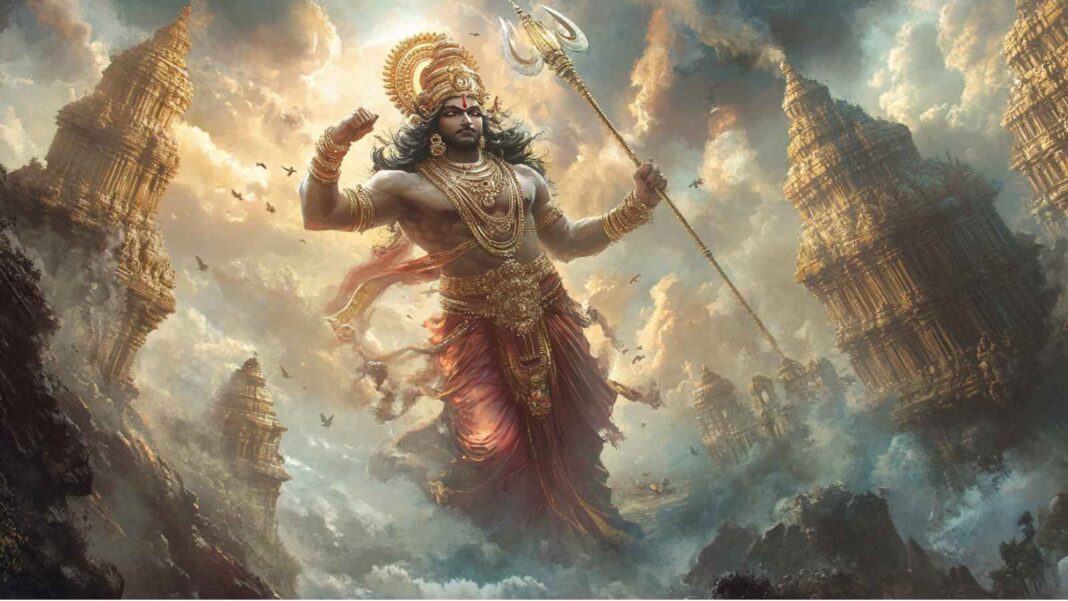
The Bhagavata Purana stands as one of Hinduism’s most treasured scriptures—a rich compendium of divine stories that illuminate the life, adventures, and timeless teachings of Lord Krishna. Revered for its spiritual, philosophical, and ritual guidance, this Purana transcends the boundaries of mythology and ritual, offering a window into the eternal principles of dharma (righteousness), bhakti (devotional love), and moksha (liberation). By recounting Krishna’s childhood exploits, his playful pastimes in Vrindavan, and his profound discourses on life and devotion, the Bhagavata Purana has served as a cornerstone for the Bhakti movement and has deeply influenced the artistic, cultural, and religious landscape of India.
Read More About sacred texts
In this article, we explore the divine narratives of the Bhagavata Purana, analyzing the life and teachings of Lord Krishna as they continue to inspire millions around the world. We also examine how this revered scripture has shaped devotional practices, ritual observances, and even sacred architecture. Alongside a detailed exploration of its philosophical significance, we present comprehensive profiles of temples that embody Krishna’s legacy—each with unique historical backgrounds, architectural marvels, and unforgettable visitor experiences. Additionally, we provide an AI-driven image generation framework to help create compelling visuals that capture the divine essence of this ancient text.
The Bhagavata Purana: Divine Stories and Eternal Teachings
The Spiritual and Philosophical Significance
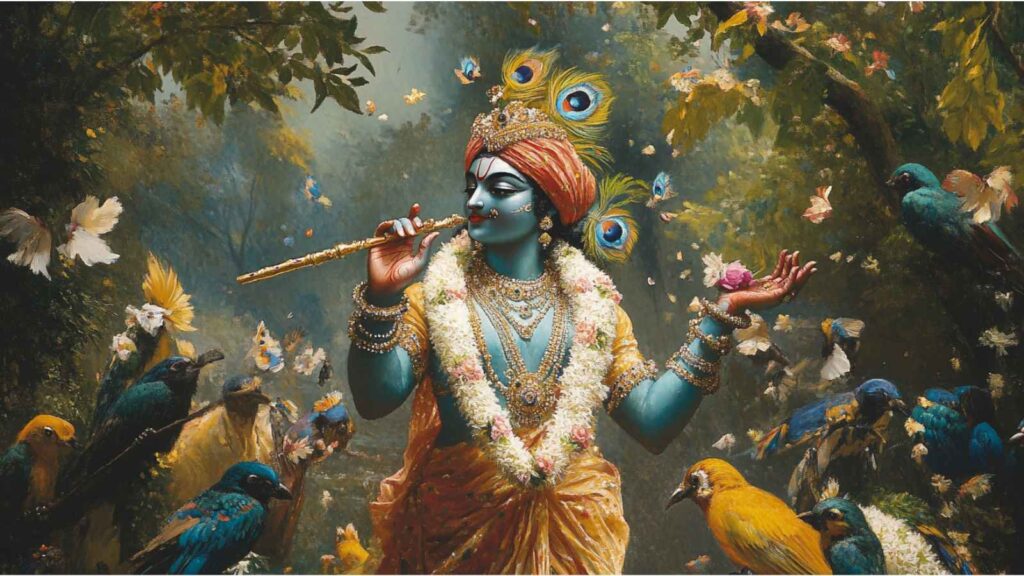
The Bhagavata Purana is much more than an epic narrative; it is a living guide that illuminates the path to spiritual enlightenment. It chronicles the divine pastimes of Lord Krishna—from his playful antics as a child in the pastoral setting of Vrindavan to the majestic episodes of his life as a prince and statesman. Each story is imbued with lessons on love, sacrifice, and the eternal nature of the soul. Here are some of the key aspects:
- Devotional Love (Bhakti):
At its core, the Bhagavata Purana emphasizes that the purest form of devotion is love toward the divine. Krishna’s relationships—with his devotees, friends, and family—serve as vivid illustrations of unconditional love. His interactions are not mere stories; they are practical demonstrations of how to live a life steeped in devotion and compassion. - The Nature of Reality:
The Purana delves into profound philosophical themes such as the transient nature of the material world and the eternal essence of the self (Atman). It invites readers to look beyond the temporary and to seek a deeper understanding of life’s ultimate truths. Through Krishna’s teachings, the text encourages introspection, selfless service, and spiritual resilience. - Moral and Ethical Guidance:
Every narrative within the Bhagavata Purana is layered with moral teachings. Whether it is the playful mischief of a child or the somber responsibilities of a leader, each episode reflects on the intricacies of human behavior and its alignment with cosmic order (Rta). These stories continue to offer ethical guidelines relevant for modern life.
Foundational Scriptures and Ritual Guidance
The Bhagavata Purana is considered a foundational scripture within Hinduism—one that has shaped ritualistic practices and devotional observances for generations. Its verses are recited during festivals, meditation sessions, and daily prayers. Devotees believe that by immersing themselves in its narratives, they can overcome the illusions of the material world (Maya) and attain a state of inner peace and enlightenment.
- Ritual Practices:
Rituals derived from the Bhagavata Purana encompass offerings, chants, and reenactments of Krishna’s divine pastimes. These practices provide structure and meaning to daily worship and mark important life events, ensuring that sacred traditions remain vibrant in the cultural fabric of society. - Philosophical Discourses:
The Bhagavata Purana is also a source of profound metaphysical inquiry. It raises questions about the nature of divinity and the interplay between free will and destiny. As such, it has been the subject of countless commentaries by scholars and sages, each offering insights that continue to shape contemporary Hindu thought. - Literary and Artistic Influence:
The poetic language and rich imagery of the Bhagavata Purana have inspired generations of artists, poets, and musicians. Its stories form the basis of classical dance dramas, music compositions, and visual arts, creating a vibrant tapestry of cultural expressions that celebrate the divine play (Lila) of Lord Krishna.
Divine Narratives: The Life and Teachings of Lord Krishna
Krishna’s Childhood in Vrindavan
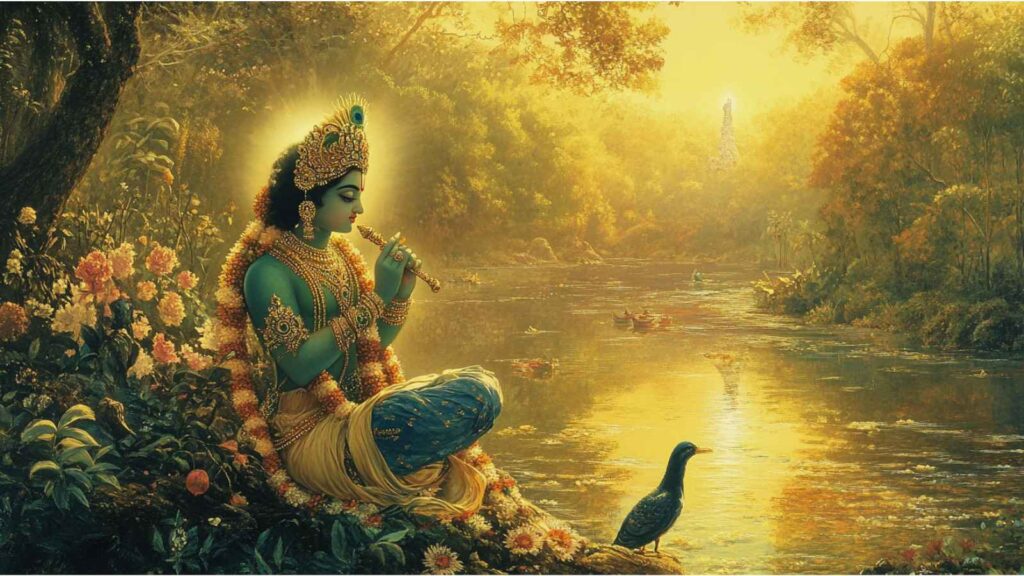
One of the most enchanting segments of the Bhagavata Purana is the account of Krishna’s early years in Vrindavan. In this idyllic setting, Krishna is portrayed as a mischievous yet profoundly compassionate child, whose divine exploits captivate the hearts of all who hear his story.
- Pastimes and Miracles:
Tales of Krishna lifting the Govardhana Hill to protect the inhabitants of Vrindavan from torrential rains, and his playful interactions with his cowherd friends and the Gopis (milkmaids), are legendary. These stories underscore the themes of divine protection, joy, and the celebration of life’s simple pleasures. - Spiritual Allegory:
While entertaining, these narratives are rich in symbolic meaning. Krishna’s playful acts are understood as allegories for the soul’s journey toward realizing its innate divinity—a gentle reminder that the divine can be both transcendent and intimately present in everyday life.
Krishna as a Teacher and Statesman
Beyond the pastoral charm of Vrindavan, the Bhagavata Purana also details Krishna’s role as a wise counselor and a principled leader. His participation in key events, such as the Kurukshetra war and his interactions with great warriors and philosophers, reveal a multifaceted personality that embodies both the playful and the profound.
- Moral Guidance:
Krishna’s dialogue with his devotee Arjuna, immortalized in the Bhagavad Gita (which shares spiritual undercurrents with the Bhagavata Purana), presents a timeless lesson on duty, sacrifice, and the pursuit of truth. His teachings emphasize that one must act with righteousness, detachment, and unwavering devotion to the divine. - Statecraft and Diplomacy:
In his role as a statesman, Krishna demonstrated remarkable diplomatic skills and an ability to guide complex political and social dynamics. His actions serve as a blueprint for ethical leadership, highlighting that true power lies not in force but in compassion, wisdom, and selfless service.
Sacred Temples Celebrating Krishna’s Divine Legacy
Temples dedicated to Lord Krishna serve as living embodiments of the Bhagavata Purana’s divine narratives. They not only provide a physical space for worship but also stand as monuments to the enduring legacy of Krishna’s teachings. Below are detailed profiles of three prominent temples that celebrate Krishna’s life and philosophy.
Temple Profile 1: Dwarkadhish Temple
Name and Exact Location
Dwarkadhish Temple
Location: Dwarka, Gujarat, India
Historical Background
Dwarka, often referred to as the “City of Lord Krishna,” holds a central place in Krishna-centric lore. The Dwarkadhish Temple is believed to be the site where Lord Krishna ruled as a king and governed with wisdom and justice. Myth and history intertwine in this sacred city, which is mentioned in multiple scriptures, including the Bhagavata Purana. The temple has evolved over centuries, witnessing numerous reconstructions and restorations, yet it remains a vibrant center of pilgrimage and devotion.
Architectural Highlights
- Ornate Facade:
The Dwarkadhish Temple is renowned for its intricate carvings and elaborate stone sculptures that depict various episodes from Krishna’s life, including his youthful pastimes and heroic deeds. - Domes and Pillars:
The structure features towering domes and elegantly fluted pillars, symbolizing the divine architecture that reflects cosmic order. - Spiritual Ambience:
Designed to inspire awe and devotion, the temple’s interiors are adorned with murals, frescoes, and sacred iconography that narrate the rich heritage of Krishna’s divine lila (play).
Visitor Experience
- Pilgrimage and Worship:
Devotees visit the temple to participate in elaborate rituals, daily aarti (prayer ceremonies), and seasonal festivals such as Janmashtami, which celebrate Krishna’s birth. - Cultural Immersion:
Visitors can explore local markets, listen to devotional music, and experience traditional dance performances that bring the Bhagavata Purana’s narratives to life. - Historical Tours:
Guided tours provide insights into the temple’s architecture, historical significance, and the mythological events that shaped its foundation.
Temple Profile 2: Sri Krishna Matha, Udupi
Name and Exact Location
Sri Krishna Matha (Udupi Krishna Temple)
Location: Udupi, Karnataka, India
Historical Background
The Sri Krishna Matha in Udupi is another iconic temple dedicated to Lord Krishna, whose origins can be traced back centuries. It is a pivotal site for Vaishnavite traditions, with legends attributing its founding to the great philosopher and saint Madhvacharya. This temple has become synonymous with the pure devotion of the Madhva community and stands as a beacon of Krishna-centric spiritual practice throughout South India.
Architectural Highlights
- Dravidian Style:
The temple is constructed in the classical Dravidian architectural style, featuring intricately carved gopurams (entrance towers) and expansive mandapas (halls) that host elaborate rituals. - Sculptural Narratives:
Sculptures and relief panels throughout the temple complex vividly recount episodes from the Bhagavata Purana, particularly the enchanting tales of Krishna’s childhood and divine miracles. - Sacred Ambiance:
The serene and meticulously landscaped surroundings, coupled with the rhythmic chants of ancient hymns, create an immersive atmosphere for meditation and devotion.
Visitor Experience
- Devotional Activities:
Visitors can experience ritualistic worship, partake in devotional discourses, and witness the musical recitation of ancient Vedic hymns. - Cultural Enrichment:
The temple hosts annual festivals like Krishna Janmashtami, drawing thousands of devotees for vibrant processions, cultural performances, and traditional feasts. - Educational Tours:
Informative tours are available for those interested in the temple’s history, architectural features, and the spiritual significance encapsulated in its timeless traditions.
Temple Profile 3: ISKCON Vrindavan
Name and Exact Location
ISKCON Vrindavan Temple
Location: Vrindavan, Uttar Pradesh, India
Historical Background
Vrindavan is synonymous with the early, playful, and enchanting life of Lord Krishna. The ISKCON (International Society for Krishna Consciousness) temple in Vrindavan, established in the late 20th century, has quickly become one of the most cherished modern centers for Krishna devotion. While it is relatively new compared to ancient temples, its establishment is deeply rooted in the timeless narratives of the Bhagavata Purana, celebrating the eternal pastimes of Krishna in his divine abode.
Architectural Highlights
- Modern Aesthetics with Traditional Touches:
The ISKCON Vrindavan temple seamlessly blends modern architectural elements with traditional motifs inspired by classical Indian temple design. - Vibrant Iconography:
The temple interiors feature elaborate murals, statues, and decorative installations that vividly bring to life Krishna’s lila—his playful interactions with the Gopis, divine miracles, and philosophical teachings. - Tranquil Gardens:
Surrounding the temple are expansive gardens and meditation spaces that invite visitors to reflect on the spiritual heritage of Vrindavan, the sacred land where Krishna spent his youth.
Visitor Experience
- Spiritual Immersion:
Devotees and tourists alike are drawn to ISKCON Vrindavan for its dynamic daily rituals, engaging kirtans (devotional songs), and interactive spiritual workshops. - Cultural Festivities:
The temple is a hub of cultural activity, especially during festivals like Holi and Janmashtami, when the air vibrates with music, dance, and communal celebrations. - Learning Opportunities:
Visitors can attend lectures, study sessions, and art exhibitions that explore the philosophical and theological dimensions of the Bhagavata Purana and Krishna’s teachings.
The Enduring Legacy of the Bhagavata Purana in Devotional Culture
The Bhagavata Purana has not only enriched devotional practices and spiritual life but also served as a guiding light for art, literature, and sacred architecture. Its divine narratives continue to inspire the design and function of temples, rituals, and cultural traditions across the Indian subcontinent. The text’s influence is evident in every form of Krishna worship—from the ancient stone carvings in Dwarkadhish Temple to the vibrant festivities of ISKCON Vrindavan.
- Integration of Myth and Ritual:
The teachings and stories embedded in the Bhagavata Purana provide a blueprint for living a life of righteous devotion. They influence everyday rituals, family celebrations, and large-scale religious ceremonies, ensuring that the divine play of Lord Krishna remains a central part of communal life. - Cultural Synthesis:
The artistic expressions inspired by the Bhagavata Purana—be it classical dance, music, or visual arts—exemplify the deep synthesis between spiritual insight and creative expression. They encapsulate the very essence of Krishna’s life, transforming abstract philosophical principles into tangible cultural forms. - Philosophical Depth:
Beyond its aesthetic and devotional appeal, the Bhagavata Purana offers timeless philosophical insights that guide ethical conduct and elevate human consciousness. Its reflections on the nature of divinity, the purpose of life, and the interplay of destiny and free will continue to stimulate spiritual discourse across generations.