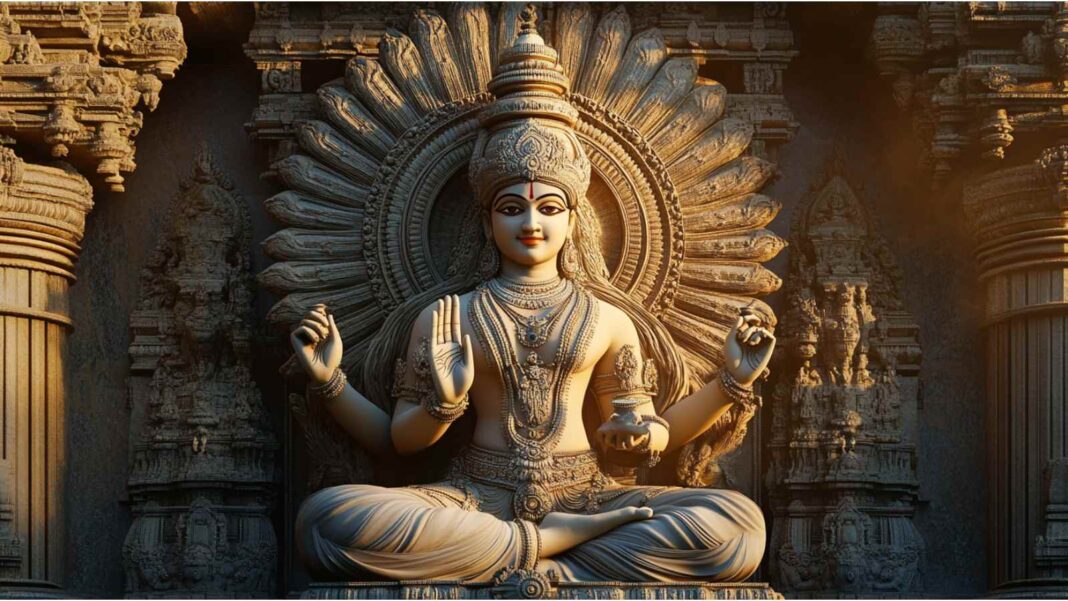

Lord Rama occupies a central, almost transcendent, place in Hindu mythology as the personification of dharma—the righteous duty or moral order governing the cosmos. In the ancient epic of the Ramayana, Rama is not just a heroic figure but a living example of how duty, sacrifice, and adherence to moral principles can shape both personal destiny and societal order. His life, marked by relentless personal sacrifice for the sake of fulfilling his sacred responsibilities, continues to guide millions of devotees and serves as an ethical blueprint in modern times.
Read More About sacred texts
This comprehensive exploration delves into the many facets of Lord Rama’s life and legacy. We will analyze how his steadfast commitment to duty, even in the face of immense personal loss, exemplifies the timeless ideals of duty and righteousness. In doing so, this blog connects ancient wisdom with modern ethical practice, inviting readers to reflect on how the lessons of Rama can be integrated into everyday life.
Rama’s Life Journey: A Blueprint of Dharma

Early Life and Divine Birth
According to the epic Ramayana, Lord Rama was born to King Dasharatha and Queen Kaushalya in Ayodhya. His birth was more than a royal event; it was divinely ordained to restore dharma in a world increasingly shadowed by adharma (unrighteousness).
- Divine Heritage: Rama was born with divine qualities, destined to become the ideal man (Maryada Purushottama). This unique identity set him apart as a beacon of virtue and self-sacrifice.
- Early Training: Raised in an environment that prized wisdom, martial skills, and moral rectitude, Rama’s early years were steeped in the rigorous disciplines that would later define his kingship and personal integrity.
The Formative Years: Lessons in Leadership and Compassion
During his youth, Rama’s life was characterized by the dual pursuit of knowledge and practical leadership skills:
- Mentorship and Guidance: Under the tutelage of sages and royal mentors, Rama imbibed lessons on governance, warfare, and, importantly, self-discipline. These formative experiences laid the foundation for a life devoted to serving his people and upholding moral order.
- Adherence to Dharma from the Start: Even in his early endeavors—from his interactions with sages to his role in managing court affairs—Rama’s actions reflected a commitment to duty that transcended personal ambitions. His life was a living lesson in the importance of personal sacrifice for the greater good.
The Philosophical Grounding: Understanding Dharma

Defining Dharma in Hindu Thought
In Hindu philosophy, dharma is a multi-layered concept that encompasses duty, righteousness, law, and the cosmic order. It is both an individual responsibility and a universal law that supports societal balance and harmony.
- Cosmic and Social Order: Dharma represents the fundamental principles that sustain the universe. For human beings, it is a guide to living a life aligned with cosmic order and moral truth.
- Personal vs. Universal Duty: The life of Rama illustrates that following one’s personal duty, regardless of circumstance, is essential to maintain the larger cosmic equilibrium. His adherence to dharma served not only his own spiritual growth but also the well-being of society.
Rama’s Exemplification of Dharma
Lord Rama is often hailed as the ideal man (Maryada Purushottama) precisely because he embodies dharma, even when it demands steep personal sacrifices. His choices, as narrated in the Ramayana, highlight a recurring theme: duty comes above personal happiness.
- Exile and Separation: One of the most poignant chapters in Rama’s life is his voluntary exile from his kingdom, Ayodhya. Despite the pain of separation from his beloved family and the comforts of royal life, Rama chose the path prescribed by duty—a decision that epitomizes the essence of dharma.
- Upholding Truth and Justice: Throughout his life, Rama was unwavering in his commitment to truth, honor, and justice. Whether dealing with the duties of kingship or confronting personal adversities, Rama’s choices were anchored in a moral compass that prioritized righteousness over self-interest.
“A person who sacrifices everything in obedience to duty, without a second thought, becomes an eternal source of inspiration.”
– Inspired by the teachings of the Ramayana
Personal Sacrifice in the Pursuit of Duty
The Agony of Exile
One of the most defining periods of Rama’s life is his 14-year exile, an episode that starkly illustrates his unwavering adherence to duty despite profound personal loss.
- The Royal Edict: The circumstances leading to his exile were rooted in palace intrigues and the complexities of courtly politics. However, when faced with the decision, Rama’s commitment to uphold dharma prevailed.
- Impact on Family and Relationships: The exile not only separated Rama from his father, King Dasharatha, but also from his beloved wife Sita and loyal brother Lakshmana. Yet, each step of his journey through the wilderness was a testament to his belief that abiding by one’s duty is the highest calling—even when it means enduring personal sorrow.
A Model of Selflessness and Duty
Rama’s life is emblematic of the principle that true leadership requires one to set aside personal desires for the welfare of the many:
- Sacrifice Over Self: His decision to relinquish the throne temporarily and embrace life in the forest is often seen as the ultimate act of selflessness. Instead of seeking personal comfort or retribution, Rama chose a path that aligned with the eternal laws of morality and duty.
- Lessons for Modern Leadership: In contemporary times, Rama’s sacrifices serve as a powerful metaphor for ethical leadership. Leaders and individuals alike can draw inspiration from his life: that the path of righteousness often demands difficult choices and significant personal sacrifice, yet yields a legacy of enduring moral strength.
The Ramayana: An Epic of Duty, Honor, and Resilience
The Ramayana, authored by the sage Valmiki, stands as a monumental epic that not only narrates Rama’s exploits but also encapsulates the very essence of dharma:
- Narrative of Trials and Triumph: Through the many trials Rama faces—whether it is the ordeal of exile, the abduction of Sita by the demon king Ravana, or the ensuing war—each episode reinforces the theme that duty is paramount.
- Symbolism of Suffering and Redemption: Rama’s suffering is portrayed not as misfortune but as an integral part of the cosmic plan. His ability to remain resolute under immense pressure offers a profound message: true dharma is achieved not in the absence of pain but in the willingness to endure it for a higher purpose.
“Rama’s journey teaches us that to adhere to one’s duty, one must often bear personal hardships, for the salvation of society lies in the sacrifice of the individual.”
– Traditional interpretation of the Ramayana
Lord Rama’s Unyielding Commitment to Duty: A Deeper Analysis
Ethical and Moral Dimensions of Rama’s Actions
Rama’s life can be seen as a continuous quest to reconcile personal emotions with universal responsibility. His choices offer a deep dive into the ethical dimensions of duty:
- Balancing Love and Obligation: The relationship with his wife, Sita, stands as a poignant example of how personal affection must sometimes take a backseat to broader responsibilities. Despite the profound love between them, Rama’s decisions were often guided by what was necessary for the greater good.
- Leadership as Service: For Rama, kingship was not a position of power to be enjoyed but a burden of duty to be carried with honor. His governance was marked by fairness, justice, and an ever-present commitment to the welfare of his subjects.
Social Impact and Educational Value
Beyond the spiritual and ethical teachings, Rama’s life has had a transformative impact on societal values:
- Cultural Narratives: The stories of Lord Rama have shaped Indian culture for millennia, influencing art, literature, dance, and drama. His image as the paragon of virtue has been immortalized in countless retellings, reinforcing societal norms centered on duty and righteousness.
- Inspiration for Social Reform: In modern times, leaders in politics, education, and social activism have drawn from Rama’s example when advocating for justice, ethical behavior, and the pursuit of the common good. His life remains a powerful symbol that, even in the face of adversity, adherence to duty and moral integrity can bring about lasting positive change.
The Modern-Day Relevance of Rama’s Ideals
As society grapples with ethical dilemmas and conflicting values, the life of Lord Rama continues to offer guiding principles that remain profoundly relevant:
- Ethics in Governance: In an era marked by political turbulence and moral ambiguity, Rama’s model of leadership—marked by selflessness, resilience, and a deep-seated commitment to justice—provides a timeless blueprint for ethical governance.
- Personal Development: For individuals, embracing the values embodied by Rama can lead to a balanced life. His example encourages personal discipline, humility, and the importance of aligning one’s actions with the larger principles of truth and justice.
- Community and Civic Responsibility: The communal aspect of Rama’s story—his relationships with his family, his loyal subjects, and his devotees—underscores the idea that each individual has a role in maintaining societal balance. His legacy invites us to take responsibility for our communities and work together in building a just, harmonious society.
“The enduring appeal of Lord Rama lies in his uncompromising commitment to duty—a lesson that is as relevant today as it was in ancient times.”
– Modern interpretation of dharma and leadership
The Sacred Texts: Sources of Rama’s Legacy
The Ramayana: The Eternal Narrative of Duty
The Ramayana, with its intricate narrative and profound moral lessons, is the primary source that documents the life of Lord Rama.
- Epic Narration: Composed by the sage Valmiki, the Ramayana is not just a tale of heroism, but an exploration of the principles of duty, sacrifice, and ethical living.
- Canonical Teachings: From the moment of Rama’s birth to his triumphant return to Ayodhya, every aspect of his journey is imbued with lessons on how duty and sacrifice forge the path to righteousness.
Other Sacred Texts and Commentaries
In addition to the Ramayana, several Puranas and devotional texts celebrate Rama’s life and teachings:
- Adhyatma Ramayana and Tulsidas’ Ramcharitmanas: These texts provide devotional narratives that further elaborate on Rama’s character, emphasizing his role as the ideal man who epitomizes dharma.
- Philosophical Discourses: Commentaries by renowned scholars have dissected Rama’s life, offering modern interpretations that bridge ancient wisdom with contemporary ethical dilemmas.
“In every age, Rama’s adherence to dharma serves as a mirror, reflecting the ideals of justice, truth, and moral fortitude that society aspires to achieve.”
– Excerpts from traditional commentaries on the Ramayana