

Principal Upanishads: The Philosophical Foundation of Hindu Spirituality
Hinduism is a religion built on profound spiritual insights and teachings, and at the heart of this wisdom are the Upanishads. These ancient texts are regarded as the ultimate philosophical foundation for Hindu spirituality, offering deep insights into the nature of the self, the universe, and the Supreme Being, Brahman. As the concluding part of the Vedic literature, the Upanishads bring together profound metaphysical ideas and philosophical concepts that guide seekers on their path to self-realization and liberation (moksha).
The Principal Upanishads, a collection of key texts within the broader Upanishadic tradition, have been revered for thousands of years and continue to inspire spiritual seekers worldwide. In this article, we will delve into the philosophical core of the Principal Upanishads, their significance in Hinduism, and their role in shaping spiritual practices and philosophies that remain relevant even today.
Read More About sacred texts
What Are the Upanishads?
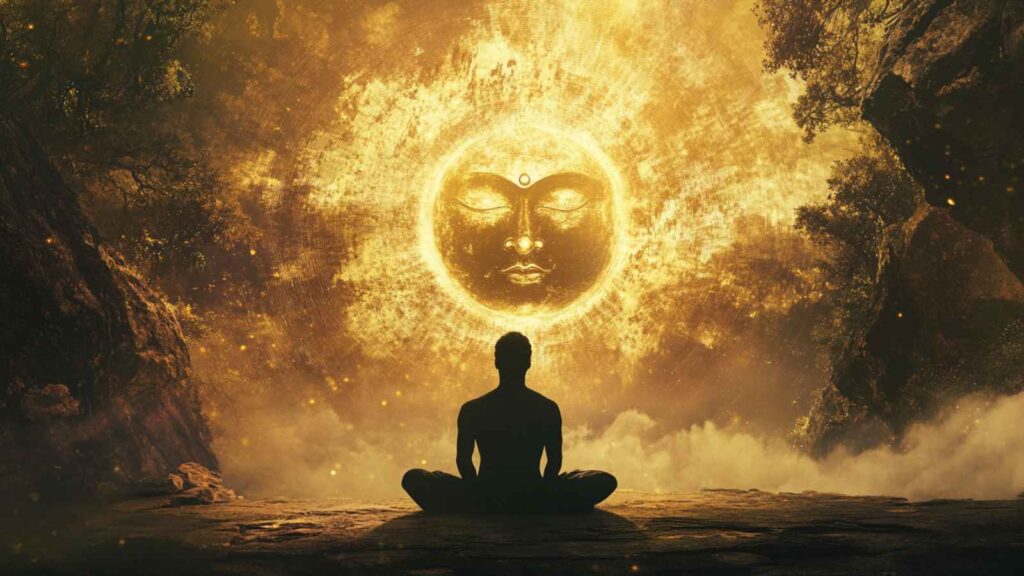
The term Upanishad is derived from the Sanskrit roots “upa” (near), “ni” (down), and “shad” (to sit). This etymology suggests the concept of sitting near a teacher, symbolizing the transmission of esoteric knowledge. The Upanishads are the philosophical and mystical sections of the Vedic texts, offering teachings on spiritual wisdom and profound philosophical insights.
The Upanishads are often seen as the Vedanta, meaning “the end of the Vedas.” They represent the culmination of the Vedic wisdom, focusing not on external rituals but on the internal realization of spiritual truths. The philosophical teachings within the Upanishads go beyond rituals and sacrifices, delving into the nature of existence, the self (Atman), and the ultimate reality (Brahman).
While the Aranyakas and Brahmanas serve as ritualistic texts, the Upanishads are concerned with knowledge and meditation. They shift the focus to metaphysical inquiries about the universe, human consciousness, and the ultimate reality. The Principal Upanishads are considered the core texts of this philosophical system, and they lay the foundation for the practices of yoga, meditation, and Jnana Yoga (the path of knowledge).
Key Teachings of the Principal Upanishads
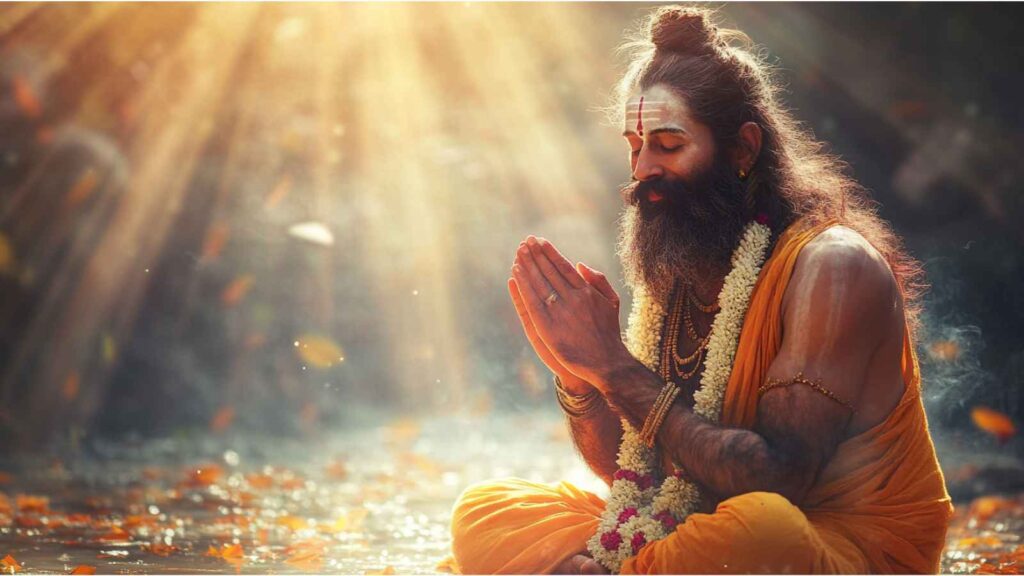
The Principal Upanishads—Isha Upanishad, Kena Upanishad, Katha Upanishad, Mundaka Upanishad, Mandukya Upanishad, and others—address the most profound philosophical inquiries regarding the nature of the universe and the self. They are celebrated for their exploration of concepts like Brahman (the supreme reality), Atman (the soul), Maya (illusion), and Moksha (liberation). Let’s examine the core teachings of these influential texts:
1. Brahman and Atman: The Concept of Oneness
One of the central teachings of the Upanishads is the idea of the oneness of Atman and Brahman. The Upanishads reveal that the individual soul, Atman, is not distinct from the ultimate reality, Brahman. This concept is famously encapsulated in the phrase “Tat Tvam Asi” (That Thou Art), indicating that the true nature of the self is identical with the supreme cosmic principle. This realization of oneness with Brahman is the key to spiritual liberation (moksha).
2. The Nature of the Self (Atman)
The Atman is the individual soul or self, which the Upanishads describe as eternal, indestructible, and beyond the limitations of the physical body. It is not bound by time or space and remains unchanged through the cycle of birth, death, and rebirth (samsara). The Upanishads emphasize the importance of self-realization, teaching that true knowledge involves recognizing one’s true nature as Atman and understanding that it is the same as Brahman.
3. Maya: The Illusion of the Material World
The Upanishads also introduce the concept of Maya, which refers to the illusion or the deceptive nature of the material world. According to the Upanishads, the world we perceive with our senses is an illusion, a temporary appearance that hides the true, unchanging reality of Brahman. This understanding challenges the conventional perception of reality, urging individuals to transcend the illusion and seek the ultimate truth through spiritual practice.
4. Moksha: Liberation and Freedom from Samsara
The ultimate goal of the teachings in the Upanishads is moksha, which is the liberation from the cycle of samsara (birth, death, and rebirth). The Upanishads explain that liberation is achieved through the realization of one’s true nature as Atman, which is identical to Brahman. Once this realization is attained, the individual no longer experiences the cycle of suffering or reincarnation, attaining eternal peace and freedom.
The Principal Upanishads: A Deeper Look
1. Isha Upanishad: The Unity of the Self and the Universe
The Isha Upanishad is one of the shortest and yet one of the most profound of the Principal Upanishads. It begins with the verse: “Isha vasyam idam sarvam” (All this is pervaded by the Divine). The Isha Upanishad teaches that the universe is divinely governed, and the supreme reality is present in all things. It emphasizes the unity of the individual with the cosmic, transcendent reality, highlighting that through detachment and knowledge, one can overcome the cycle of birth and rebirth.
2. Kena Upanishad: The Inquiry into the Nature of the Divine
The Kena Upanishad is a philosophical exploration into the nature of the ultimate reality. The text begins with the question of who is behind the power of human perception, such as the power of hearing, seeing, and thinking. Through this inquiry, the Kena Upanishad reveals that the supreme being is beyond human comprehension and can only be known through direct experience, not intellectual understanding.
3. Katha Upanishad: The Journey of Self-Realization
The Katha Upanishad is one of the most well-known texts in Hindu philosophy, particularly because of its dialogue between the sage Nachiketa and Yama, the god of death. It addresses the nature of life, death, and the eternal soul. The text teaches that the key to overcoming death is the realization of the eternal self (Atman), which is imperishable and beyond the physical body.
4. Mundaka Upanishad: The Knowledge of Brahman
The Mundaka Upanishad emphasizes the importance of Jnana (knowledge) in attaining liberation. The text outlines two types of knowledge: the higher knowledge (parā vidyā), which is the understanding of Brahman, and the lower knowledge (aparā vidyā), which is knowledge of the material world. The Mundaka Upanishad teaches that true liberation comes through the realization of the higher knowledge of Brahman.
The Philosophical Significance of the Upanishads
The Upanishads are not just philosophical treatises—they are transformative texts that guide individuals toward self-realization and spiritual enlightenment. They challenge conventional ideas of the self and the universe, urging seekers to look beyond the material world and realize their essential oneness with the divine. Through meditation, contemplation, and self-inquiry, the Upanishads offer a path to spiritual liberation.
The central theme of oneness with Brahman has influenced not only Hinduism but also various schools of thought and spiritual traditions worldwide. Philosophers like Adi Shankaracharya and Swami Vivekananda have drawn inspiration from the Upanishads, promoting the idea of non-dualism (Advaita Vedanta) and the realization that the ultimate reality transcends all apparent divisions.
The Upanishads in Modern Spirituality
The teachings of the Upanishads continue to resonate with spiritual seekers today, not only in India but across the globe. The emphasis on self-realization, meditation, and the pursuit of higher knowledge has led to the widespread adoption of yoga and meditative practices. Modern thinkers and spiritual teachers, such as J. Krishnamurti and Eckhart Tolle, echo the Upanishadic call to realize the truth of one’s own nature.
The Upanishads also play a key role in the practice of Vedanta philosophy, which remains a central aspect of Hindu spirituality. Vedanta teaches that the path to liberation is through knowledge and the direct experience of the truth, echoing the ancient wisdom of the Upanishads.
Conclusion: The Lasting Influence of the Upanishads
The Principal Upanishads form the cornerstone of Hindu philosophical thought and spiritual practice. Their teachings have shaped not only the core of Hinduism but also influenced numerous spiritual traditions worldwide. By focusing on the profound unity of Atman and Brahman, the Maya of the material world, and the ultimate goal of moksha, the Upanishads provide timeless wisdom for anyone seeking to understand the nature of the self and the universe.
As Hinduism continues to evolve in the modern world, the wisdom of the Upanishads remains a guiding light for spiritual seekers, philosophers, and those in search of the ultimate truth.