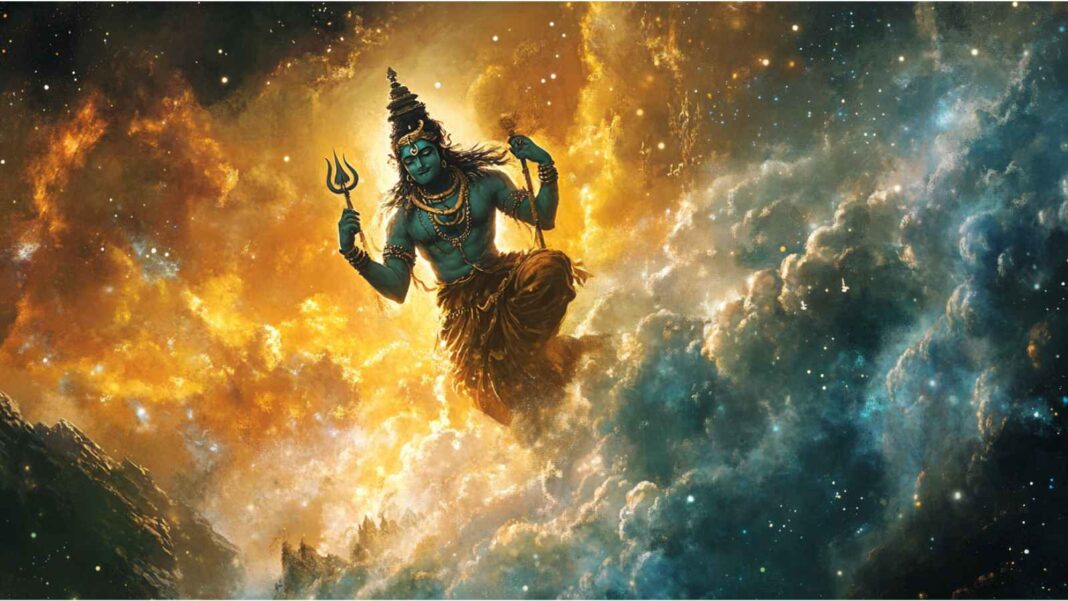
Hinduism’s vast and intricate tapestry is woven with sacred texts that guide its followers through life, duty, and spiritual evolution. Among these revered scriptures, the Vishnu Purana stands as one of the seminal texts that not only present a rich cosmological framework but also chronicle the divine acts and lessons of Lord Vishnu through his ten avatars (Dashavatara). Regarded as a foundational scripture, the Vishnu Purana is revered for its profound spiritual, philosophical, and ritual guidance. It illuminates the mysteries of creation, preservation, and destruction—core principles that form the backbone of Hindu thought.
Read More About sacred texts
The Vishnu Purana outlines a detailed cosmology of the universe and the processes underlying its continuous cycle of birth, sustenance, and dissolution. Moreover, it provides an in-depth account of the ten avatars of Lord Vishnu—each portraying aspects of divine intervention in restoring cosmic order and guiding humanity toward dharma (righteousness).
In this comprehensive exploration, we will delve into the cosmological insights provided by the Vishnu Purana and explore the narratives of the ten avatars. Additionally, we will highlight sacred temples that celebrate Vishnu’s divine legacy, offering detailed profiles that include the temple’s name and exact location, historical background, architectural highlights, and visitor experiences. We also provide an AI image generation framework with references and credit prompts to create compelling digital visuals. Whether you are a scholar, devotee, or spiritual seeker, this article is your gateway to understanding the profound influence of the Vishnu Purana on Hindu philosophy, art, and ritual.
The Vishnu Purana: A Foundational Scripture in Hinduism

Spiritual and Philosophical Significance
The Vishnu Purana is a time-honored text that offers both a panoramic view of the cosmos and a guide to living a righteous life. Its teachings are layered with rich symbolism and practical wisdom, making it a cornerstone for devotional and ritual practices. Key themes include:
- Cosmic Cycles and Creation:
The Purana details the creation, preservation, and eventual dissolution of the universe—emphasizing that destruction is merely a precursor to rebirth. This cyclical process underscores the eternal nature of existence. - Divine Intervention through Avatars:
The text introduces the concept of Dashavatara—the ten avatars of Lord Vishnu. Each avatar manifests at critical junctures to restore dharma and protect the cosmic order, demonstrating the dynamic interplay between divine benevolence and human endeavor. - Guidance for Ethical Living:
The scripture provides moral and ethical prescriptions that continue to influence daily life and ritual practice. It serves as a moral compass, reinforcing values like compassion, justice, and spiritual devotion. - Ritual and Worship:
The Vishnu Purana has long inspired numerous ritualistic practices. Its verses are chanted during pujas (worship ceremonies), festive occasions, and meditative sessions, thereby linking the metaphysical and the practical aspects of Hindu spirituality.
Philosophical Inquiry and Ritual Guidance
Beyond its captivating mythological narratives, the Vishnu Purana serves as a practical guide for leading a life aligned with cosmic principles. It supports reflection on the following:
- The Nature of the Universe:
By exploring intricate cosmological details, the Purana encourages readers to recognize the delicate balance between order and chaos. It teaches that every ending carries the seed of a new beginning. - The Role of Divine Grace:
The avatars of Vishnu are not only stories of supernatural occurrences but are also narratives that emphasize the role of divine grace in overcoming the challenges of life. They reinforce the belief that when cosmic order is disrupted, divine intervention restores equilibrium. - Foundational Rituals:
Detailed instructions on rituals—ranging from daily worship to elaborate festivals—guide devotees in performing sacraments that connect them with higher consciousness. These rituals ensure that the teachings of the Vishnu Purana remain actively integrated into communal and personal spiritual practices.
Cosmology and the Ten Avatars of Lord Vishnu

Central to the Vishnu Purana is the exposition of cosmic creation and the manifestation of divine power through the ten avatars of Lord Vishnu. These avatars are the embodiments of divine intervention at various epochs, each playing a pivotal role in the maintenance of universal order.
Cosmology According to the Vishnu Purana
The Vishnu Purana presents a comprehensive vision of the universe, characterized by its layered structure:
- Cosmic Creation:
The Purana describes the universe as having a cyclic existence with an eternal rhythm of creation (Srishti), sustenance (Sthiti), and dissolution (Pralaya). This vision underscores that the material world is transient, yet it is regulated by the immutable cosmic law. - Interconnection of Elements:
The text explains how various elements—earth, water, fire, air, and ether—interact within the cosmos. It highlights the subtle interplay between the physical and the metaphysical, offering insights into how the natural world is an expression of divine will. - The Role of Time:
Time is portrayed as cyclical rather than linear; a constant process of renewal where each cycle paves the way for the next. This cyclical notion of time serves as the philosophical underpinning for the idea of constant regeneration—a theme reflected in the avatars of Vishnu.
The Ten Avatars (Dashavatara) of Lord Vishnu
The Dashavatara, or ten avatars, depict the different manifestations of Lord Vishnu that have appeared at various times to combat chaos, protect righteousness, and guide humanity. Here is a categorical overview of these divine incarnations:
1. Matsya (The Fish)
- Narrative:
Matsya, the fish avatar, is believed to have saved the ancient scriptures and the Vedas from the great deluge, symbolizing the preservation of knowledge during times of overwhelming chaos. - Spiritual Significance:
Matsya teaches the importance of vigilance and protection during times of existential crisis.
2. Kurma (The Tortoise)
- Narrative:
In the avatar of Kurma, Lord Vishnu supported the churning of the ocean (Samudra Manthan) on his back, which led to the emergence of divine nectar (Amrit). - Spiritual Significance:
This avatar exemplifies how enduring support and stability facilitate the emergence of spiritual nourishment and wisdom.
3. Varaha (The Boar)
- Narrative:
Varaha incarnated as a boar to rescue the Earth (Prithvi) from the depths of the cosmic ocean, restoring its rightful place in creation. - Spiritual Significance:
Varaha symbolizes the restoration of balance and the reclamation of the lost or submerged aspects of life.
4. Narasimha (The Man-Lion)
- Narrative:
In a dramatic manifestation, Narasimha, half-man and half-lion, appeared to vanquish the demon Hiranyakashipu and protect the devotee Prahlada. - Spiritual Significance:
Narasimha is a powerful representation of divine fury against injustice, reminding us that protection and transformation come even in the most formidable forms.
5. Vamana (The Dwarf)
- Narrative:
The dwarf avatar Vamana approached the demon king Bali, requesting as much land as could be covered by his three strides. With his enormous strides, Vamana restored cosmic order. - Spiritual Significance:
Vamana teaches that humility and selflessness pave the way for the divine restoration of balance.
6. Parashurama (The Warrior Sage)
- Narrative:
Parashurama, a fierce warrior with an axe, appeared to rid the world of corrupt rulers and restore the principles of righteousness. - Spiritual Significance:
This avatar illustrates that sometimes, the strict enforcement of dharma requires decisive action against oppressive forces.
7. Rama (The Ideal King)
- Narrative:
Rama, the hero of the Ramayana, embodies the ideal ruler—a paragon of virtue, honor, and justice. His life is a testament to unwavering duty and moral integrity. - Spiritual Significance:
Rama is revered as the epitome of dharma, whose life offers lessons in the harmonious balancing of personal virtue and public responsibility.
8. Krishna (The Divine Statesman)
- Narrative:
Krishna, central to the Mahabharata and the Bhagavad Gita, is celebrated for his divine play, profound wisdom, and as a supreme guide in the art of living. - Spiritual Significance:
Krishna’s avatar teaches the path of devotion, the importance of free will, and the power of divine love to transform lives.
9. Buddha (The Enlightened One)
- Narrative:
In some traditions, Lord Vishnu is believed to have incarnated as Gautama Buddha to teach compassion, non-violence, and the pursuit of inner peace. - Spiritual Significance:
Buddha’s presence among the avatars underscores the universal quest for enlightenment beyond ritualistic boundaries.
10. Kalki (The Future Warrior)
- Narrative:
Kalki, the prophesied warrior on a white horse, is destined to appear at the end of the current age (Kali Yuga) to vanquish evil and usher in a new era of righteousness. - Spiritual Significance:
Kalki symbolizes hope and renewal, affirming that divine intervention will ultimately restore cosmic order when darkness prevails.
Sacred Temples Celebrating the Legacy of Lord Vishnu
The teachings of the Vishnu Purana and the divine exploits of Lord Vishnu’s avatars have inspired the construction of magnificent temples throughout India. These sacred temples serve as living centers of worship, history, and art. Below are detailed profiles of three prominent temples that celebrate Lord Vishnu’s divine manifestations.
Temple Profile 1: Sri Ranganathaswamy Temple
Name and Exact Location
Sri Ranganathaswamy Temple
Location: Srirangam, Tamil Nadu, India
Historical Background
Sri Ranganathaswamy Temple in Srirangam is one of the largest and most illustrious Vishnu temples in India. With a history spanning over a thousand years, the temple complex is intricately tied to the devotional traditions of South India. It is believed that the divine form of Lord Vishnu here has been venerated since ancient times, with numerous dynasties—such as the Cholas and Pandyas—leaving their mark through extensive patronage and reconstruction. The temple is intricately described in several ancient texts, including the Vishnu Purana, which extols the cosmic play of Vishnu through his myriad avatars.
Architectural Highlights
- Dravidian Style:
The temple is celebrated for its outstanding Dravidian architecture, featuring enormous gopurams (gateway towers) adorned with intricate sculptures and vibrant frescoes that depict scenes from Vishnu’s life and the cosmos. - Expansive Complex:
Its sprawling courtyard, numerous shrines, and delicately carved pillars offer a visual narrative of mythological events and spiritual iconography. The sanctum sanctorum houses the revered idol of Sri Ranganathaswamy, symbolizing the eternal manifestation of Vishnu. - Intricate Ornamentation:
Detailed bas-reliefs and decorative motifs illustrate legends from the Vishnu Purana, including the Dashavatara and cosmic cycles, reinforcing the philosophical depth of the sacred text.
Visitor Experience
- Spiritual Pilgrimage:
Devotees experience overwhelming devotion during daily aarti ceremonies and special festivals like Vaikunta Ekadashi, when the temple comes alive with vibrant processions and rituals. - Cultural Immersion:
Guided temple tours and cultural performances provide historical insights, making it a rich educational experience for visitors interested in the theological and artistic heritage of Hinduism. - Architectural Marvel:
The sheer scale and detail of the temple architecture leave visitors awestruck, combining a sense of historical continuity with modern-day spiritual fervor.
Temple Profile 2: Jagannath Temple
Name and Exact Location
Jagannath Temple
Location: Puri, Odisha, India
Historical Background
Jagannath Temple in Puri is not only a major pilgrimage destination in India but also a focal point of devotion for followers of Lord Vishnu and his incarnations, especially Krishna. Although primarily associated with the deity Jagannath—a form of Vishnu—it embodies the cosmic narratives of the Vishnu Purana. The temple’s origins date back over a millennium, and its history is interlaced with myths that highlight divine intervention to restore dharma. The annual Rath Yatra (chariot festival) is a vivid manifestation of these ancient traditions in contemporary devotion.
Architectural Highlights
- Kalinga Architecture:
The temple exhibits unique Kalinga architectural features, characterized by intricately carved stone sculptures, soaring spires, and expansive courtyards that speak to Odisha’s rich cultural heritage. - Ornate Sculptures:
The detailed carvings on the temple walls vividly represent the divine stories and cosmic themes found in the Vishnu Purana, including the Dashavatara and the philosophy of cosmic cycles. - Spiritual Atmosphere:
With the sacred deity Jagannath at its heart, the temple exudes a vibrant energy that unifies art, myth, and ritual in a testament to the enduring power of devotion.
Visitor Experience
- Massive Pilgrimage:
Thousands of devotees converge during the Rath Yatra, experiencing communal celebrations that highlight the temple’s dynamic blend of ritual, folklore, and cultural legacy. - Heritage Walks:
Visitors enjoy guided tours that delve into the temple’s storied past, its architectural wonders, and the religious symbolism that has sustained its significance over the centuries. - Cultural Festivals:
Regular festivities, dance performances, and traditional music events enhance the overall spiritual experience, reinforcing the profound impact of the Vishnu Purana’s narratives.
Temple Profile 3: Dwarkadhish Temple
Name and Exact Location
Dwarkadhish Temple
Location: Dwarka, Gujarat, India
Historical Background
Dwarkadhish Temple in Dwarka is traditionally regarded as the kingdom of Lord Krishna and is mentioned extensively in ancient texts such as the Vishnu Purana. The temple is considered one of the four cardinal pilgrimage sites (Char Dham) and has a storied history marked by numerous reconstructions and royal patronage. It is believed that Lord Krishna himself ruled here and that the temple stands as a testament to his divine manifestation in human affairs.
Architectural Highlights
- Ancient Naval Architecture:
The temple features striking architectural designs that merge ancient Indian craftsmanship with innovative interpretations of divinity. Its high domes, elaborate carvings, and meticulously sculpted pillars narrate the rich history of Vishnu through visual art. - Iconography of Avatars:
Numerous sculptures and decorative elements depict scenes from Krishna’s life, including episodes from the Dashavatara, thereby weaving the cosmic narrative of the Vishnu Purana into every facet of its design. - Panoramic Seaside View:
Located near the Arabian Sea, the temple offers breathtaking views that enhance the spiritual ambiance and connect devotees with the natural world—a reminder of the divine interplay between creation and nature.
Visitor Experience
- Devotional Reverence:
Pilgrims from around the world visit to partake in sacred rituals, experience the deep spiritual aura, and witness the temple’s mesmerizing aarti ceremonies. - Cultural Exchange:
The bustling local markets, street performances, and cultural exhibits around the temple provide insights into the region’s vibrant heritage and the longstanding influence of Vishnu’s divine narratives. - Historical Exploration:
Guided tours and informational displays help visitors understand the temple’s evolution over time, reinforcing its importance as a living monument that encapsulates the essence of the Vishnu Purana.
The Enduring Influence of the Vishnu Purana on Devotional Culture
The Vishnu Purana is far more than an ancient text; it is a living scripture that continues to impact devotional practices, shaping the spiritual consciousness of millions. Its detailed exposition of cosmology and the Dashavatara not only guides the moral and ethical dimensions of life but also inspires:
- Devotional Worship:
Chanting verses from the Vishnu Purana and reciting its hymns are integral parts of daily worship, ensuring that the divine narrative remains a constant source of inspiration and solace. - Artistic Expressions:
Classical dance, music, and traditional art forms draw heavily from the vivid imagery and philosophical themes of the Purana, making its teachings accessible and emotionally resonant. - Ritual Practices:
From grand temple festivals to intimate home rituals, the guidelines outlined in the Vishnu Purana are meticulously followed, preserving ancient customs in a modern world. - Philosophical Discourse:
Scholars and spiritual leaders continue to analyze and interpret its metaphysical narratives, ensuring that the eternal questions of life, existence, and divine purpose are explored and reinterpreted by each generation.